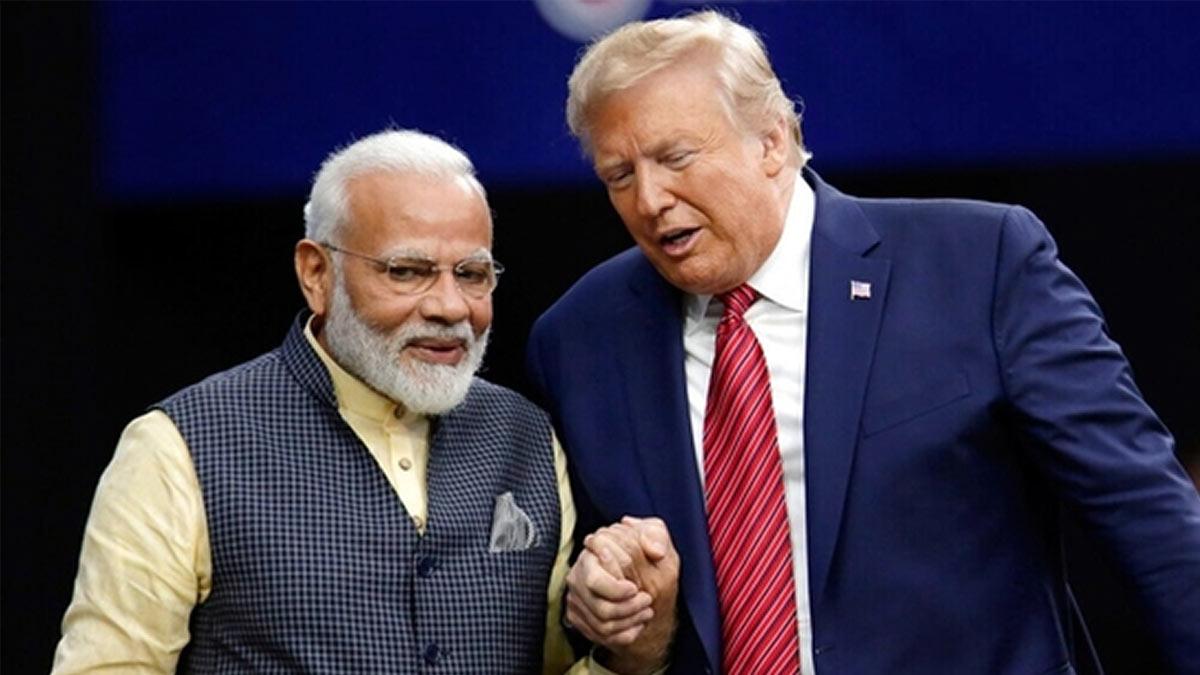


When Donald Trump came back to the White House in January, a large section of Indians hailed the change, hoping his chemistry with Prime Minister Narendra Modi would protect New Delhi from any sudden changes in U.S. policy.
After all, the two leaders have demonstrated their friendship by joint rallies in the past and reciprocal compliments.
Indeed, Modi was among the first world leaders to call on Trump in Washington following his re-occupation of office earlier this year.
But only six months after, those hopes have run into a harsh reality: Trump has imposed a 25 percent export tariff on India and threatened regular warnings of more severe penalties for its continued sale of oil to Russia—part of a larger campaign to push Moscow to stop its invasion of Ukraine.
Analysts say the bilateral relationship is quickly souring.
"U.S.-India relations are at a decades-long low," said Biswajit Dhar, a trade economist and former Indian trade negotiator, in an interview with Al Jazeera. Other countries with formerly tense relations with India, such as Pakistan and Bangladesh, are being hit with significantly more modest tariffs.
Speaking at a public event on Saturday, Modi responded with defiance. “The world economy is full of uncertainty. There is instability everywhere,” he said. “From now on, we will buy only what is made by the sweat of Indians.”
The Indian government has also reportedly refused to stop importing Russian crude oil despite pressure from Washington.
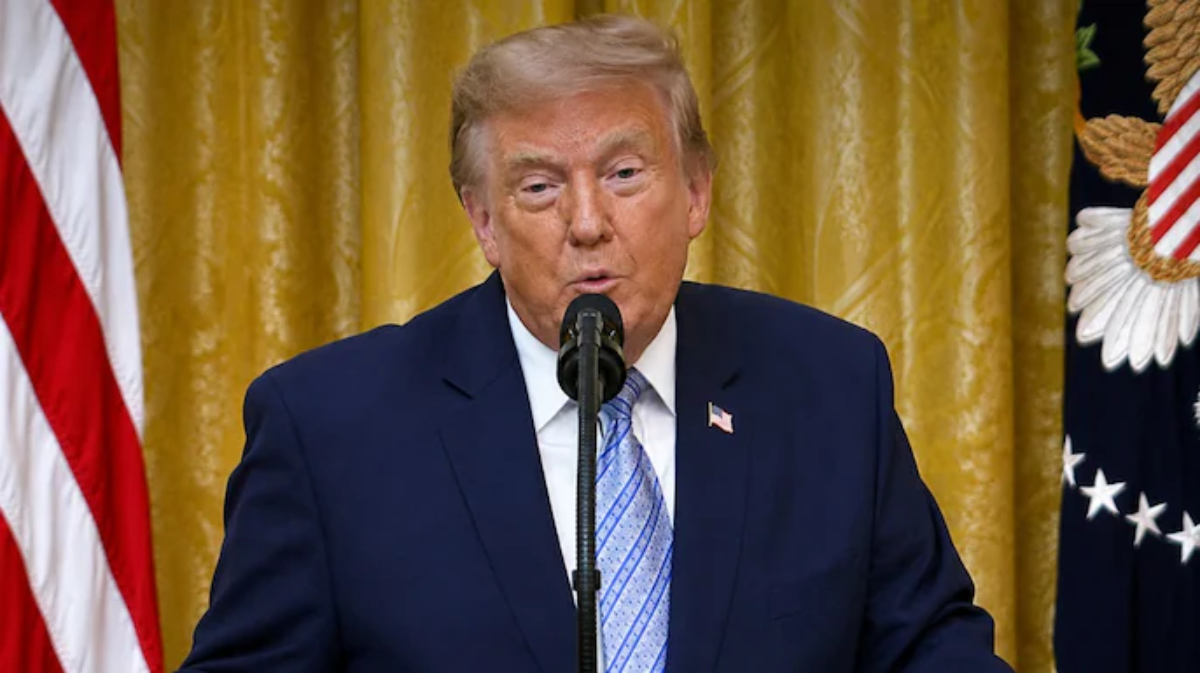
Trump blames India’s oil purchases for funding the Kremlin’s war machine. “They don’t care how many people in Ukraine are being killed by the Russian War Machine,” he said on Monday. “Because of this, I will be substantially raising the Tariff paid by India to the USA.”
So how did relations fray so quickly? Despite strong personal ties between Trump and Modi, disagreements have grown across several fronts—from trade policy to strategic positioning.
Trade has always been a contentious element of U.S.-India relations. Washington has never ceased to urge greater Indian market access, fewer tariffs, and greater protections for American pharma, tech, and farm products. India has pushed back against what it perceives as excessive demands that threaten local industries and millions of small-scale farmers.
Before Trump’s return, the countries had managed their trade tensions while deepening military cooperation. India consistently exported more to the U.S. than it imported, while the U.S. saw India as a critical partner in Asia.
But talks on a trade agreement have broken down since April when Trump slapped blanket tariffs on nearly all U.S. trading partners. India tried to secure a deal before Trump's August 1 deadline but couldn't seal it though cutting duties on some U.S. goods.
New Delhi is now confronted with fresh dangers—sanctions related to both its oil and arms purchases from Russia.
“This is a pressure tactic by Trump,” said Anil Trigunayat, a former Indian diplomat. “India hasn’t caved like others have. We have to protect our MSMEs and agriculture.”
India’s dependency on agriculture makes trade concessions politically risky. Nearly half the population relies on farming for income.
Meanwhile, Trump continues to look for new ways to isolate Russia, and India’s deep ties with Moscow—spanning energy, defense, and technology—have made it a target.
Since Russia’s full-scale invasion of Ukraine in 2022, India has ramped up purchases of discounted Russian crude. It also remains one of Russia’s biggest defense partners and has resisted international efforts to ostracize President Vladimir Putin. In fact, Modi visited Russia twice in 2024 and received the country’s highest civilian award.
Relations were further strained after deadly violence in Kashmir in April led to one of the most intense military standoffs between India and Pakistan in recent history. Trump claims he brokered the May 10 ceasefire between the nuclear-armed neighbors by threatening to cut off trade.
“I used trade to a large extent to do [the ceasefire]. And it all stopped,” he said.
But Modi’s government has refuted those claims, asserting that India resolved the conflict bilaterally, without external mediation, and without involving trade talks.
Despite this, Trump has repeatedly taken credit for ending the conflict, claiming over 30 times that he stopped the war.
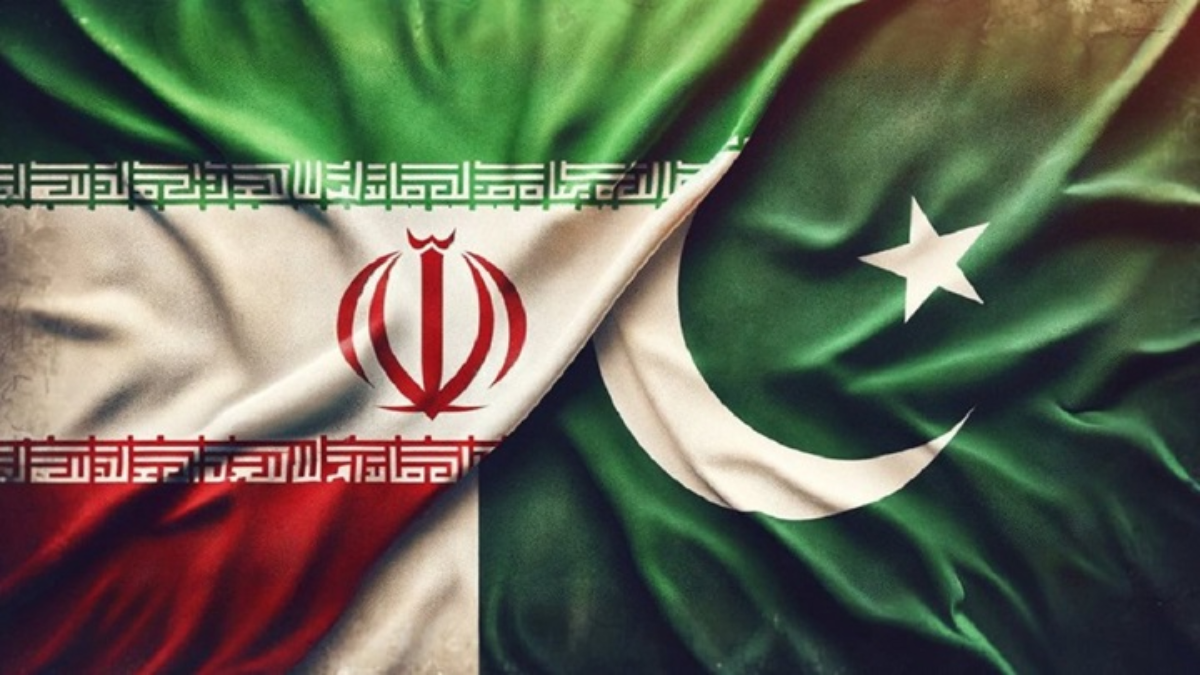
Adding to New Delhi’s concerns is Trump’s warming relationship with Pakistan. After the ceasefire, he hosted Pakistan’s army chief, Asim Munir, at the White House—an unprecedented move. Trump later claimed he had struck a deal with Pakistan to develop oil reserves and even hinted, “Maybe they’ll be selling oil to India someday!”
Pakistan endorsed Trump for the Nobel Peace Prize for brokering the Kashmir ceasefire, while India received more tariff threats.
In February, just before Modi’s visit to Washington, disturbing footage surfaced of Indian migrants being deported from the U.S. in chains. The images sparked outrage in India and intensified concerns about Trump’s immigration policies.
Indian nationals, who make up the majority of H-1B visa holders, are also being impacted by Trump’s crackdown on foreign workers. At a recent AI summit, Trump criticized Big Tech for outsourcing jobs to India and declared, “The days of hiring workers in India are over.”
The core of Trump’s anger, however, appears to be New Delhi’s refusal to cut economic ties with Moscow.
On Truth Social, he alleged that India was not only purchasing "massive amounts" of Russian oil but selling it on the international market profitably. His senior aide, Stephen Miller, seconded this: "India is essentially tied with China in buying Russian oil."
India currently imports an estimated 2 million barrels of Russian crude on average every day, making it the second-largest consumer after China.
India’s Ministry of External Affairs pushed back on Monday, calling the accusations “unjustified and unreasonable.” It pointed to Europe’s far higher trade volume with Russia and to U.S. imports of Russian uranium, palladium, chemicals, and fertilizer.
New Delhi also claimed Washington had previously encouraged India to buy Russian oil to stabilize global prices.
“India will take all necessary measures to safeguard its national interests and economic security,” the ministry said.
That’s highly unlikely, according to experts.
India has long cherished its strategic autonomy—choosing partnerships based on national interest rather than alliances. Even after the Cold War, it deepened ties with both Russia and the U.S., balancing between them.
“Trump is trying to wean India off its strategic autonomy by targeting its Russia ties and BRICS membership,” said Michael Kugelman of the Wilson Center. “But Delhi is not about to jettison that policy. On the contrary, I expect it to double down.”
India’s National Security Adviser Ajit Doval is currently in Moscow, and Foreign Minister S. Jaishankar is expected to visit later this month. Putin is also scheduled to visit India before year’s end—his first since the Ukraine invasion.
India has also expressed interest in reviving a trilateral group with Russia and China.
“Would the U.S. or Europe give up their strategic autonomy?” asked Jayati Ghosh, economist at the University of Massachusetts Amherst. “It’s absurd to expect that from India.”
Kugelman agrees that ties are at their lowest point in two decades of partnership, but he doesn’t expect India to change course.
"India's even-handed diplomacy between the U.S. and Russia may have upset Trump, but it is the essence of its foreign policy," he said. "And until Putin winds down the war soon, it appears Trump will not cease to vent his frustration on India."
Read also| "Sovereign Nations Have Right...": Russia Supports India in Face of US Tariff Threat