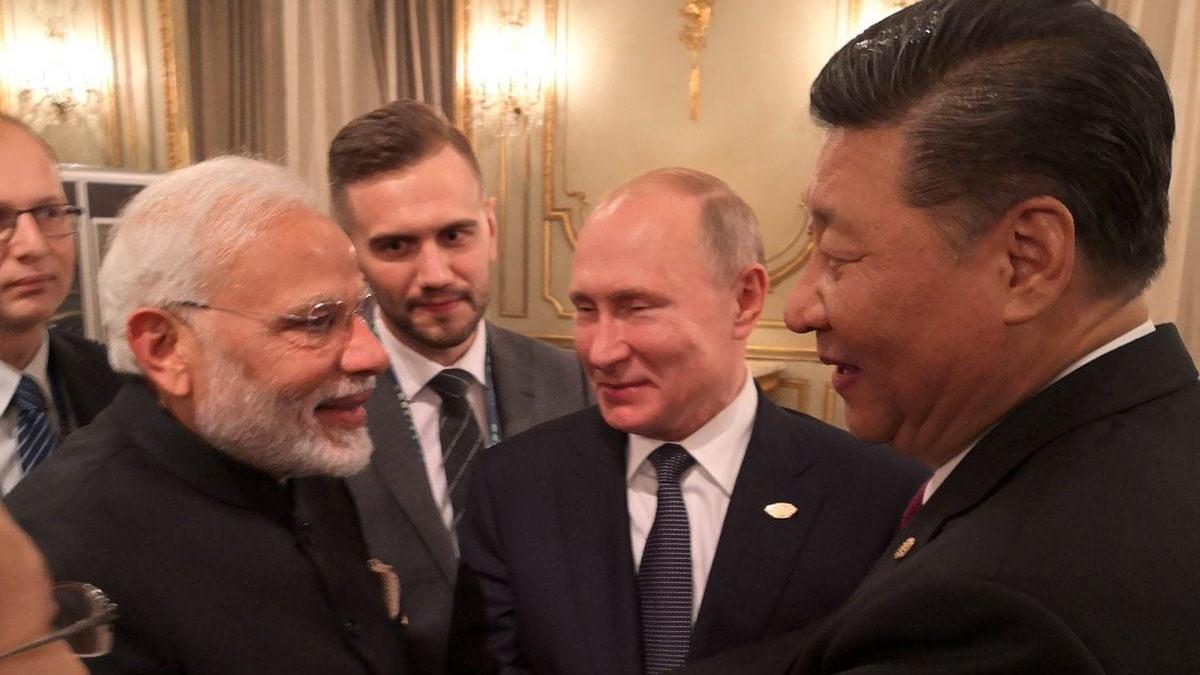


Photographs and video footage from Shanghai Cooperation Organisation (SCO) Summit in Tianjin—showcasing Prime Minister Narendra Modi warmly interacting with Russian President Vladimir Putin and Chinese President Xi Jinping—have quickly gone viral around the world, including in the United States.
US media presented the shots as a symbolic show of solidarity against US hegemony, primarily because of President Donald Trump's tough trade policies.
In one widely circulated moment, Modi and Putin walked over to Xi, with the three leaders exchanging handshakes, laughter, and lighthearted conversation.
The New York Times described the encounter as a “The New York Times' called it a "smiling manifestation of a troika” that projects an alternative model to Washington’s leadership. The paper also pointed to Modi’s spontaneous ride in Putin’s limousine as evidence of the leaders’ visible warmth.
Meanwhile, CNN highlighted the summit’s strong emphasis on optics, noting Xi’s red-carpet welcome for both Modi and Putin and presenting the SCO as a geopolitical counterbalance to a US-led order.
Fox News interpreted Modi’s interactions as a “clear rebuke” to Washington, particularly after Trump imposed 50% tariffs on Indian exports in retaliation for Delhi’s purchases of Russian energy and arms—a move he justified as a national security measure tied to the Ukraine conflict.
Commenting on CNBC, Eurasia Group's Jeremy Chan argued that Trump's tariffs had "breathed new life" into the SCO meeting by offering Beijing the chance to court the Global South while pushing India further out of Washington's grasp.
Editorial opinion chimed in as well. The Washington Post published an article titled "Trump's white-knuckling with India could backfire'. The newspaper asserted that tensions with India "don’t supersede shared interest in countering Beijing" emphasizing that differences over trade shouldn't "supersede shared interest in countering Beijing.
In the same vein, The Wall Street Journal noted that the summit's "display of unity" was at least partially aimed at Trump himself, highlighting the risks of his unorthodox foreign policy approach.
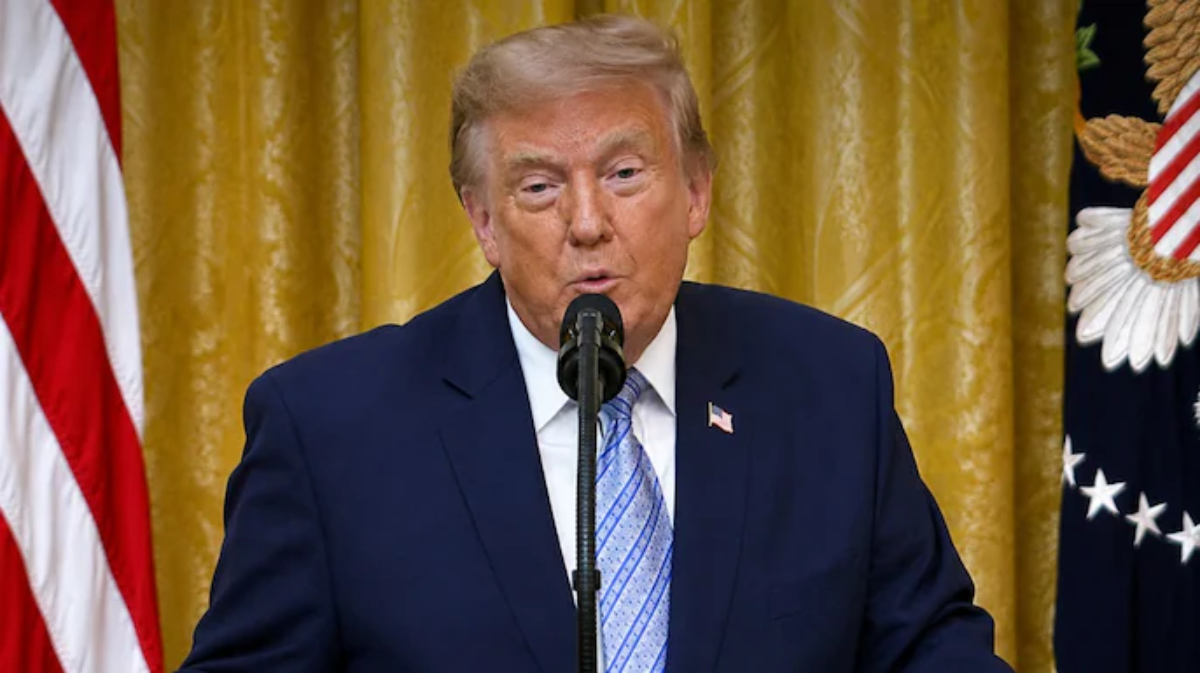
Rebutting the media speculation, Trump lashed out on social media on Monday, labeling US-India trade as "one-sided." He accepted India's tariff-reduction offers but warned it was "getting late.
Read also| Tianjin camaraderie may revive RIC as tariff strains with US grow
Read also| PM Modi, Putin, and Xi’s Meeting Showcased an Unusual Show of Unity: Report