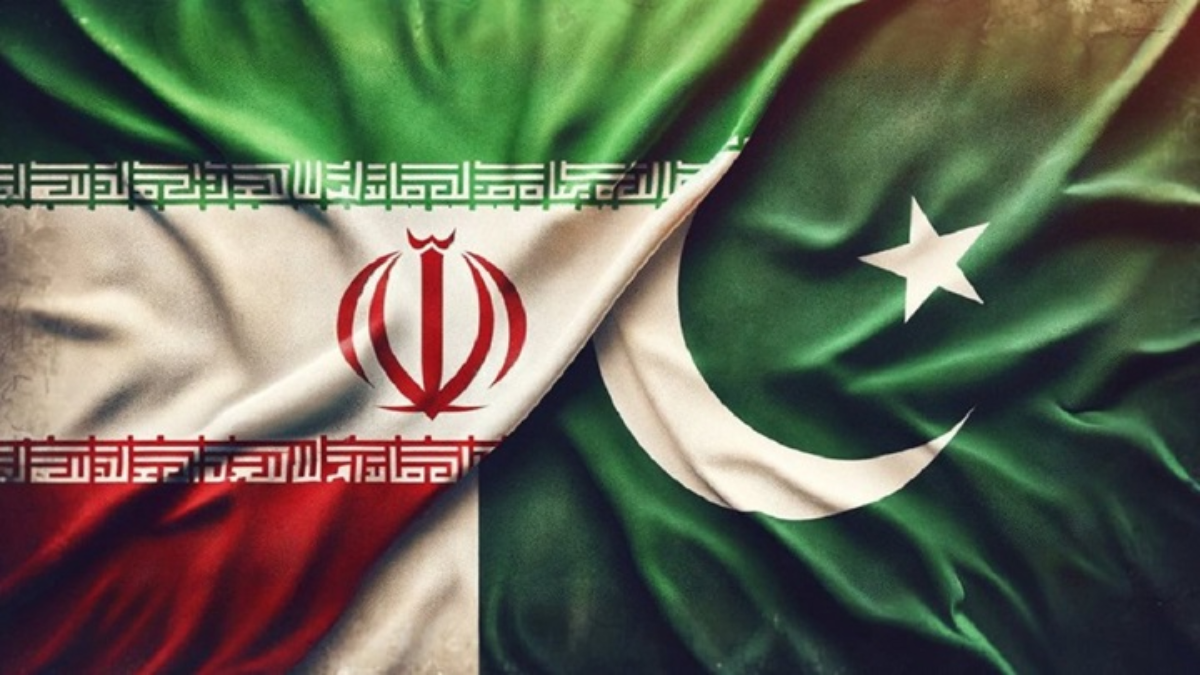
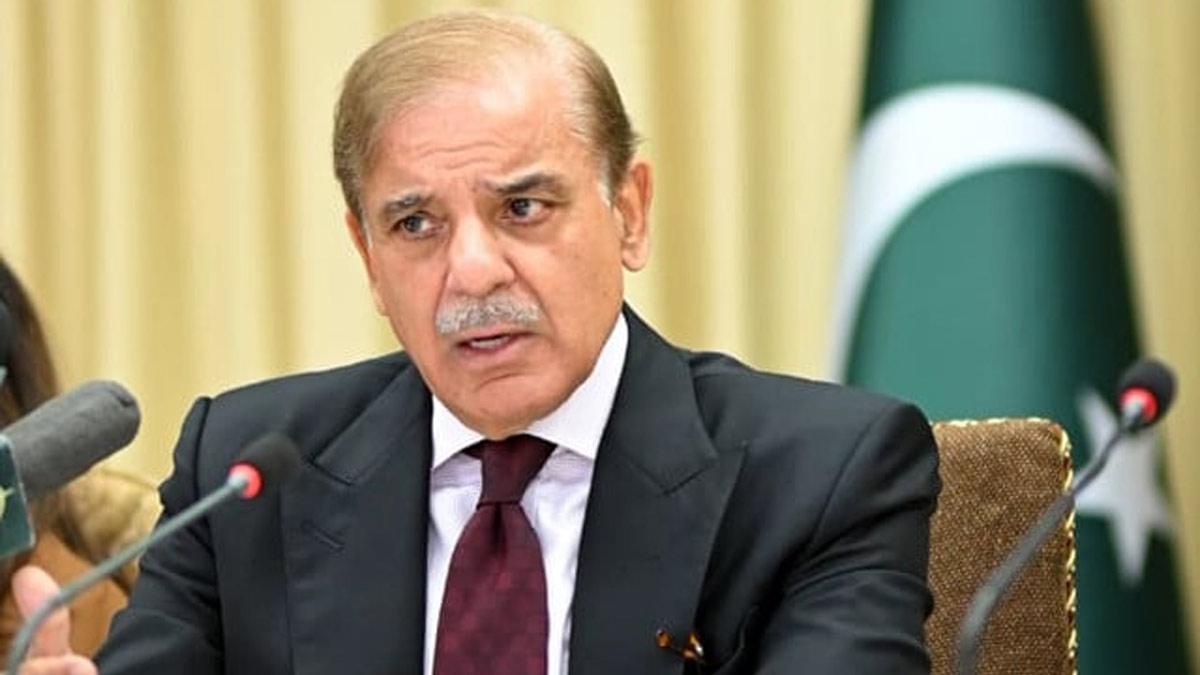


In a bid to assuage local fears, Pakistani Prime Minister Shehbaz Sharif yesterday denied any implication that his administration contemplated using nuclear weapons in the recent military confrontation with India.
Speaking to a gathering of university students on Saturday, Sharif reaffirmed that Pakistan's nuclear programme is for "peaceful purposes and national defence" alone.
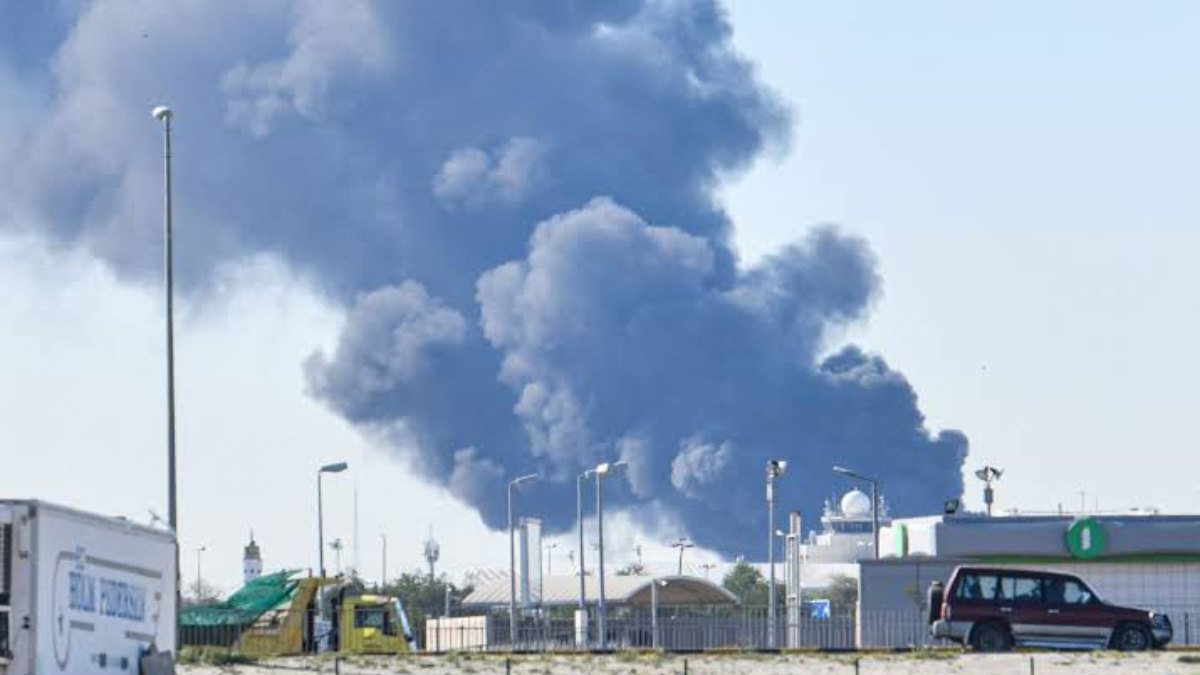
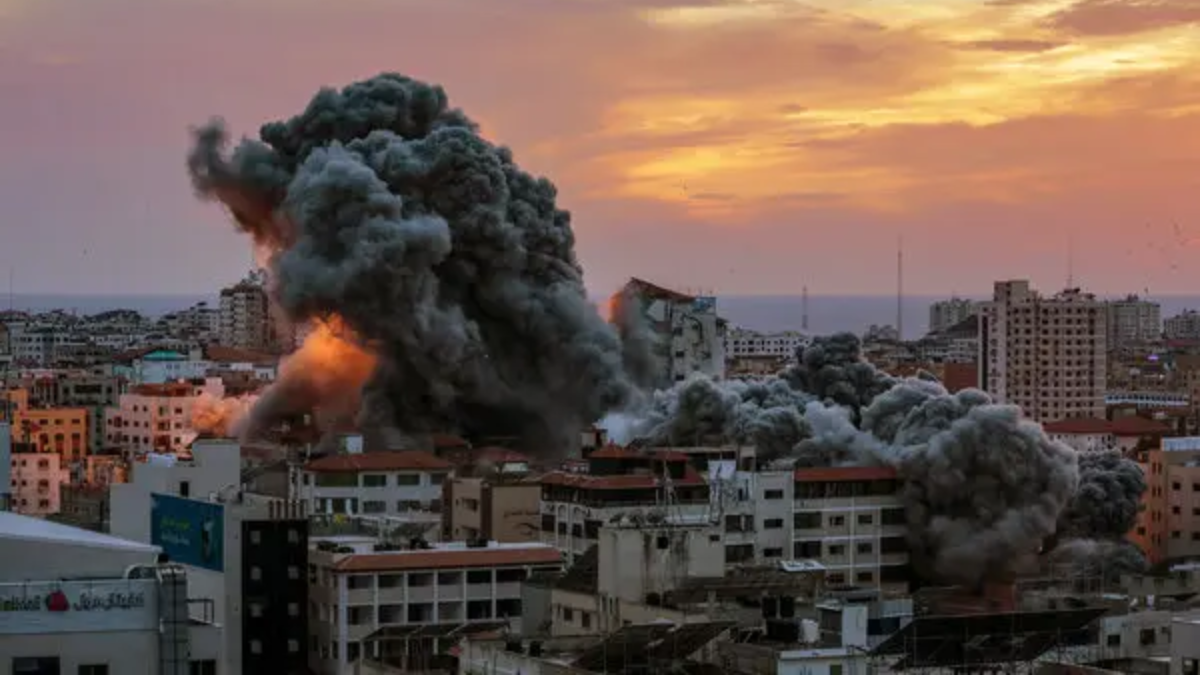
His comments follow a strained four-day standoff initiated by the April 22 terrorist attack in Pahalgam that killed 26 Indian civilians. In retaliation, India initiated Operation Sindoor, a multi-day military campaign aimed at militant strongholds in Pakistan and Pakistan-controlled Kashmir. The attacks claimed the lives of more than 100 militants, say Indian officials.
Sharif accepted there was a human cost on each side, reporting that 55 Pakistani lives were lost in the Indian air campaign. Nevertheless, he maintained that Pakistan's military response remained within conventional parameters. "Pakistan's nuclear programme is there to protect the country and to deter aggression, not to seek it," he explained to students.
His language constituted a significant departure from previous rhetoric by other Pakistani authorities. In May, Pakistan's envoy to Russia, Muhammad Khalid Jamali, captured headlines in an interview with Russian news outlet RT, where he threatened that Islamabad would deploy "the entire range of power, including nuclear," if India were to make a move to tamper with Pakistan's water supply.
"Any attempt to take or divert our water would be treated as an act of war," Jamali had stated—words which had provoked international alarm at the prospect of a nuclear confrontation in South Asia.
India, for its part, has taken a firm stance against such threats. Prime Minister Narendra Modi declared on May 13 that “India will not tolerate nuclear blackmail while countering terrorism,” underscoring New Delhi’s resolve. General Anil Chauhan, India’s Chief of Defence Staff, also weighed in, stating at a defence forum in New Delhi: “Nuclear deterrence is no justification for cross-border terrorism. Operation Sindoor shows that India is willing to act decisively against it.”
India has accused terror outfits based in Pakistan—Jaish-e-Mohammed, Lashkar-e-Taiba, and Hizbul Mujahideen—of having planned the Pahalgam attack. Indian forces launched what they said were "pre-emptive precision strikes" on nine terrorist locations along the border.
While Sharif tries to adopt a more balanced tone, analysts indicate that the Pakistani government is seeking to appear tough at home and to avoid further deterioration with its neighbor. The delicate balancing act is made difficult due to Pakistan's increasing military relations with China.
Pakistan has imported $8.2 billion in Chinese weapons since 2015, according to Stockholm International Peace Research Institute (SIPRI) data. Islamabad imported 63% of China's total arms exports between 2020 and 2024—more than any other nation.
Sharif's reorientation of Pakistan's nuclear stance seems designed to de-escalate current tensions while keeping support at home. With both sides fortifying harden positions, though, the threat of future conflicts looms.