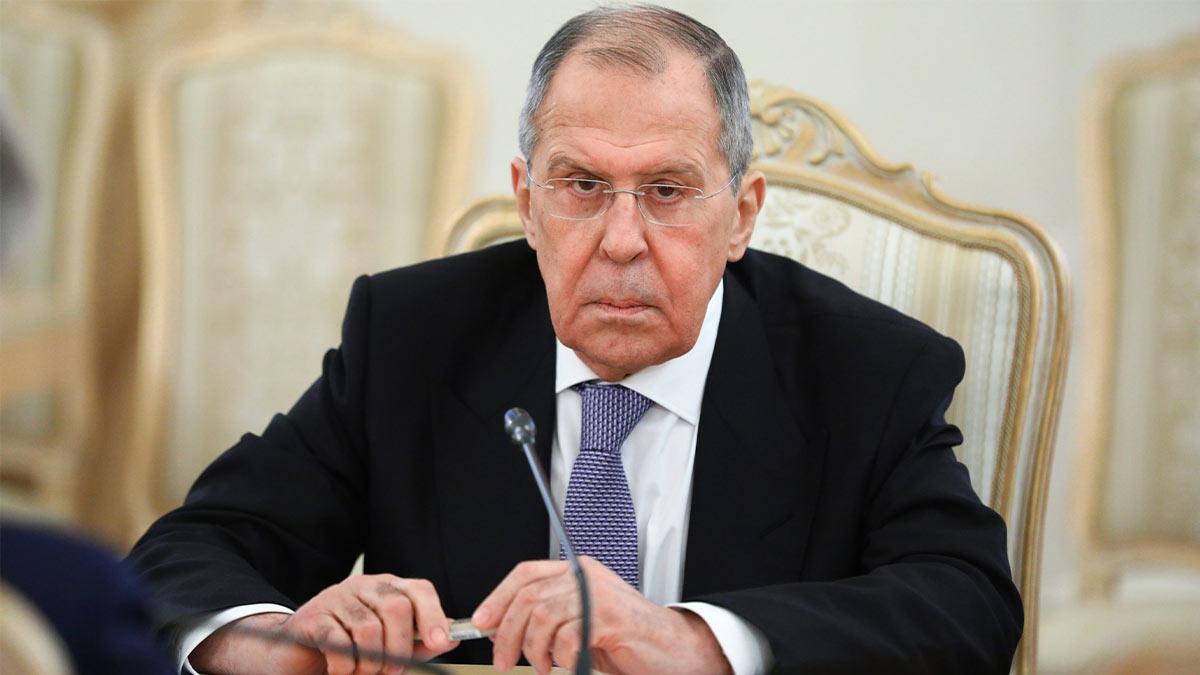


Russia on Monday intensified its criticism of Washington, accusing the United States of adopting a "neocolonial" approach toward nations of the Global South in an effort to retain global dominance.
The remarks were delivered by Russian Foreign Ministry spokesperson Maria Zakharova, who also called for deeper collaboration with developing nations to help build a more balanced and inclusive world order.
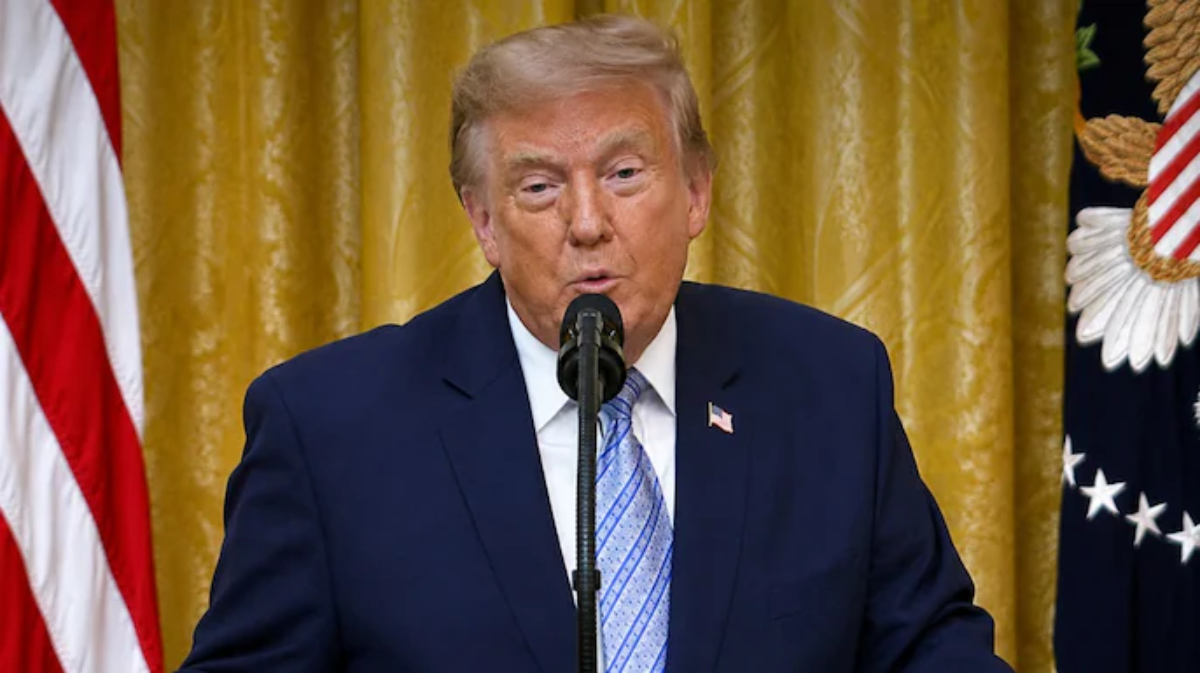
Zakharova’s comments come just days after U.S. President Donald Trump announced a new wave of sweeping tariffs on a number of countries, drawing condemnation from several quarters.
Calling such measures “a regrettable reality” of the current global landscape, Zakharova said that the imposition of sanctions and trade restrictions is a tactic born of Washington’s inability to adjust to shifting global dynamics. "The US cannot come to terms with the loss of hegemony in the emerging world order," she said.
She went on to accuse the U.S. of continuing to "pursue a neocolonial policy in an attempt to maintain its position, using politicised levers of economic pressure against those who refuse to follow in its wake in the international arena."
While specifically referring to Trump’s latest tariff strategy, Zakharova criticized the impact on America’s partners in the Global South, calling it a “direct encroachment” on their sovereignty and “an attempt to interfere in their internal affairs.”
Rejecting the notion that sanctions and economic coercion can alter geopolitical shifts, Zakharova insisted that Russia sees the global tide turning toward multipolarity. “Russia believes that no tariff wars and sanctions can do anything with the natural course of history,” she said.
Highlighting the country’s commitment to this vision, she noted Moscow’s growing partnerships with countries in the Global South, especially within the BRICS grouping. “We have a huge number of partners, like-minded people, and allies who share this approach among the countries of the Global South and, first and foremost, BRICS,” she said. The BRICS bloc, initially formed by Brazil, Russia, India, China, and South Africa, expanded in 2024 to include Egypt, Ethiopia, Iran, and the United Arab Emirates. Indonesia joined the group in 2025.
“We are ready to increase cooperation with them in order to counter illegal unilateral sanctions and form a truly multilateral, fair and equal world order,” Zakharova added.
She also warned that U.S. trade practices are contributing to broader global instability, with potential consequences for economic development and international commerce. “The US policy is fraught with a slowdown in economic growth, damage to supply chains, and fragmentation of the global economy,” she said.
Zakharova further accused Western nations of abandoning their own long-held trade values. “Contrary to the basic provisions in the area of free trade, which the Western countries themselves once promoted, there is politically motivated protectionism and voluntaristic build-up of tariff barriers,” she noted.