

A hardline Iranian newspaper has published an infographic identifying 13 foreign political and military leaders it claims should be targeted in retaliation for the killing of Iran's Supreme Leader Ayatollah Ali Khamenei.
The infographic, circulated online by Hamshahri, a newspaper published by authorities in Tehran, appeared soon after Iran's new Supreme Leader Ayatollah Mojtaba Khamenei vowed to avenge his father's death in the US-Israeli strikes of February 28, which marked the opening day of the ongoing Middle East war.
"Vengeance is the will of our nation and must inevitably be carried out," Mojtaba Khamenei said in his first public message since his father's funeral.
"These criminals, whose names appear on a list, will take to their graves the wish of a peaceful death in their beds."
Although Mojtaba Khamenei referred to a list of individuals, he did not publicly identify any names. There has also been no indication that the list published by Hamshahri has received official approval from the Iranian government.
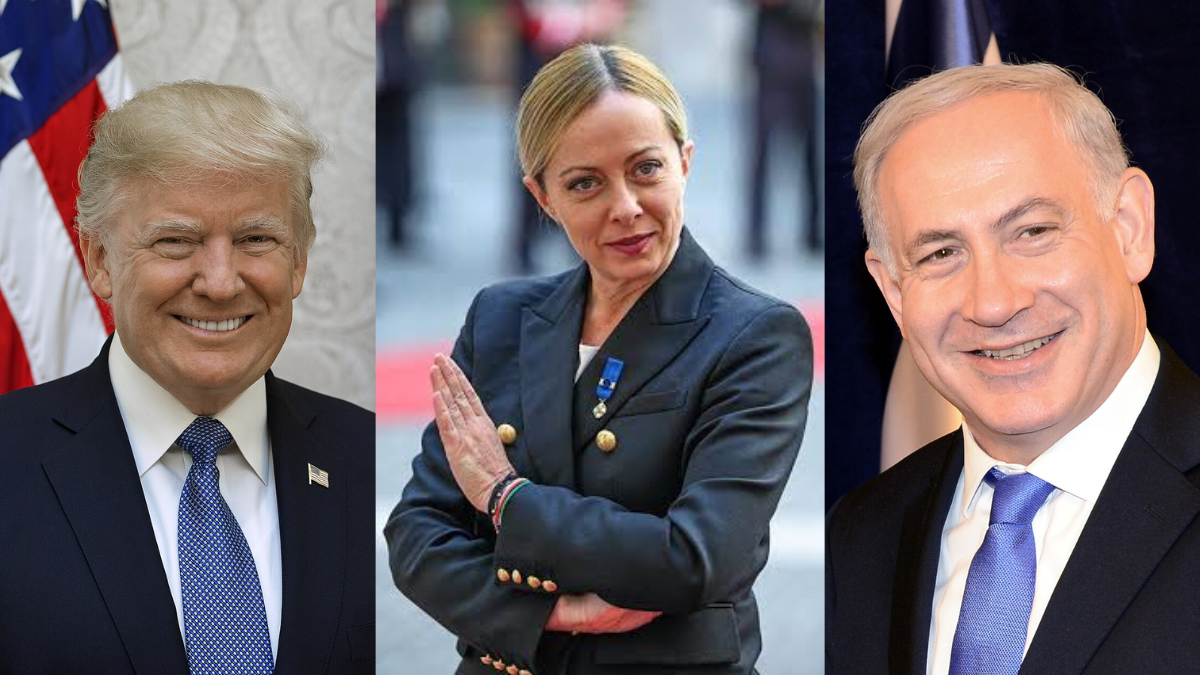
The newspaper's infographic nevertheless displays photographs of 13 political and military figures from the United States, Israel and Europe.
The names featured in the Hamshahri infographic are:
-
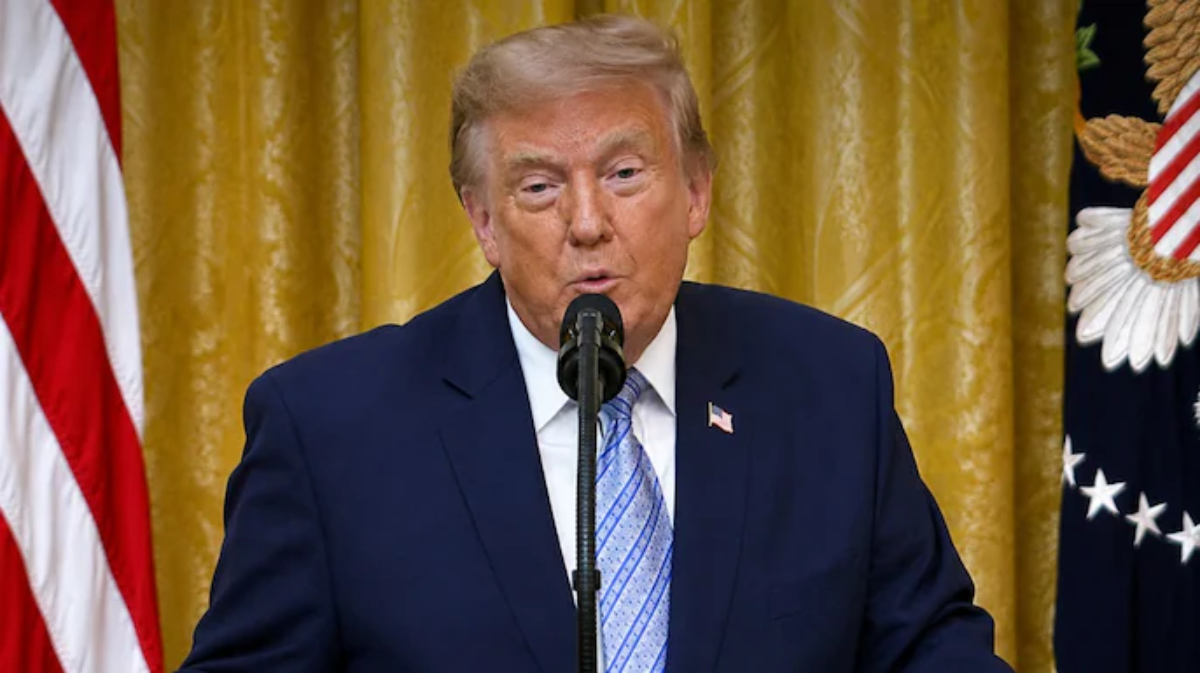
Donald Trump, President of the United States
Advertisement -
Benjamin Netanyahu, Prime Minister of Israel
-
Giorgia Meloni, Prime Minister of Italy
Advertisement -
Keir Starmer, Prime Minister of the United Kingdom
-
Emmanuel Macron, President of France
Advertisement -
Friedrich Merz, Chancellor of Germany
-
Israel Katz, Israel's Defence Minister
Advertisement -
Gideon Sa'ar, Israel's Foreign Minister
-
Eyal Zamir, Chief of the General Staff of the Israel Defense Forces (IDF)
Advertisement -
Marco Rubio, US Secretary of State
-
Pete Hegseth, US Secretary of Defense
Advertisement -
General Michael "Erik" Kurilla Brad Cooper, Commander of US Central Command (CENTCOM), as identified in the infographic
-
Mike Huckabee, US Ambassador to Israel
Advertisement
Alongside senior American and Israeli officials, the list also includes the leaders of the United Kingdom, France, Germany and Italy.
Throughout the conflict, Iran repeatedly accused several European governments of failing to condemn the US-Israeli strikes on its territory. Tehran also alleged that some European countries had been complicit by allowing US military aircraft to use their airspace during military operations.
The publication of the infographic comes as fighting between Iran and the United States has escalated around the strategically important Strait of Hormuz.
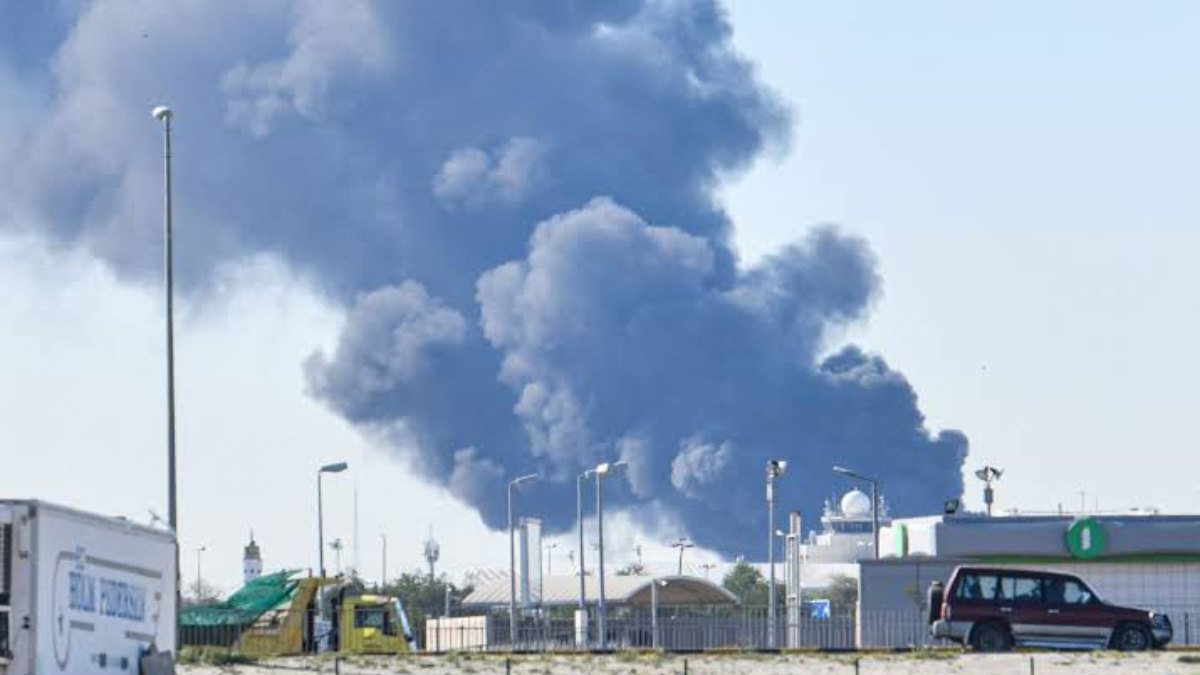
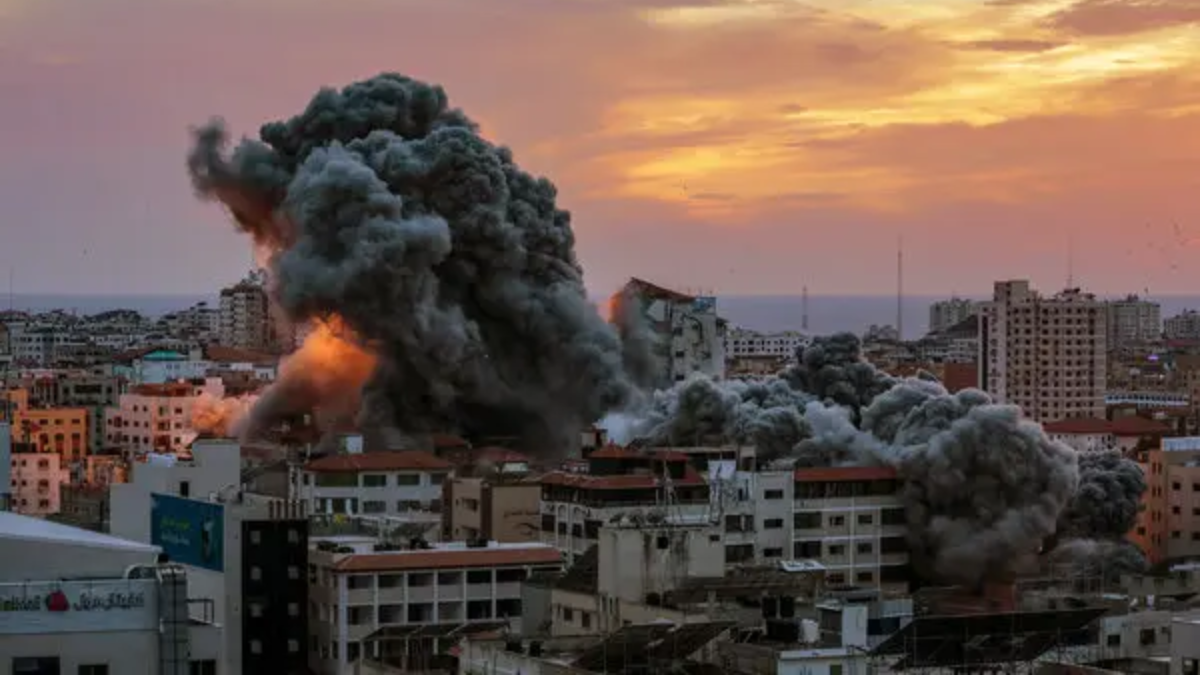
The latest round of hostilities began after an Iranian strike on a container ship transiting the Strait of Hormuz set the vessel ablaze, forcing its crew to abandon ship. The United States responded with multiple waves of attacks on Iranian military infrastructure, including air defence systems, radar sites, missile and drone facilities, ammunition depots and Revolutionary Guard assets.
Iran subsequently launched attacks toward Bahrain, Kuwait, Qatar, the United Arab Emirates, Jordan and Oman, countries that host US military facilities or are located close to the conflict zone. Missile sirens sounded in Bahrain, home to the US Navy's Fifth Fleet, while Iranian state media reported fresh explosions in several parts of the country.
Control of the Strait of Hormuz remains at the centre of the confrontation. Iran has maintained that it should oversee shipping through the waterway, while the US military has said it will ensure freedom of navigation for commercial vessels.
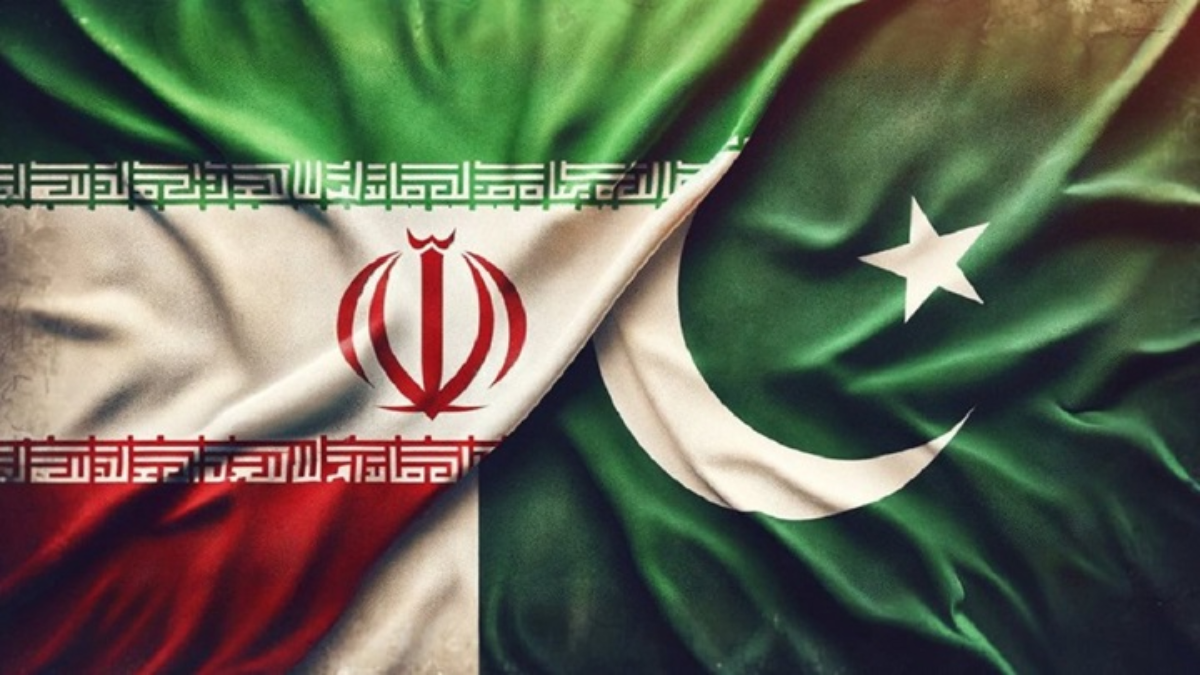
The renewed violence has fuelled concerns that the interim understanding between Washington and Tehran has effectively broken down despite mediation efforts by countries including Pakistan, Qatar and Egypt.
United Nations Secretary-General António Guterres warned that a return to full-scale conflict would have "catastrophic consequences" for both the region and the global economy.
Mojtaba Khamenei, who succeeded his father after Ayatollah Ali Khamenei was killed in the opening strikes of the war, has largely stayed out of public view and was reportedly injured in the attack that claimed the former supreme leader's life.
His latest statement represents his strongest public warning since assuming office, signalling Tehran's determination to pursue those it holds responsible for the death of Iran's longtime leader, even though there has been no official confirmation that the newspaper's published list reflects the formal position of the Iranian state.
Also Read | US revives Russia sanctions push, putting India under renewed 500% tariff threat