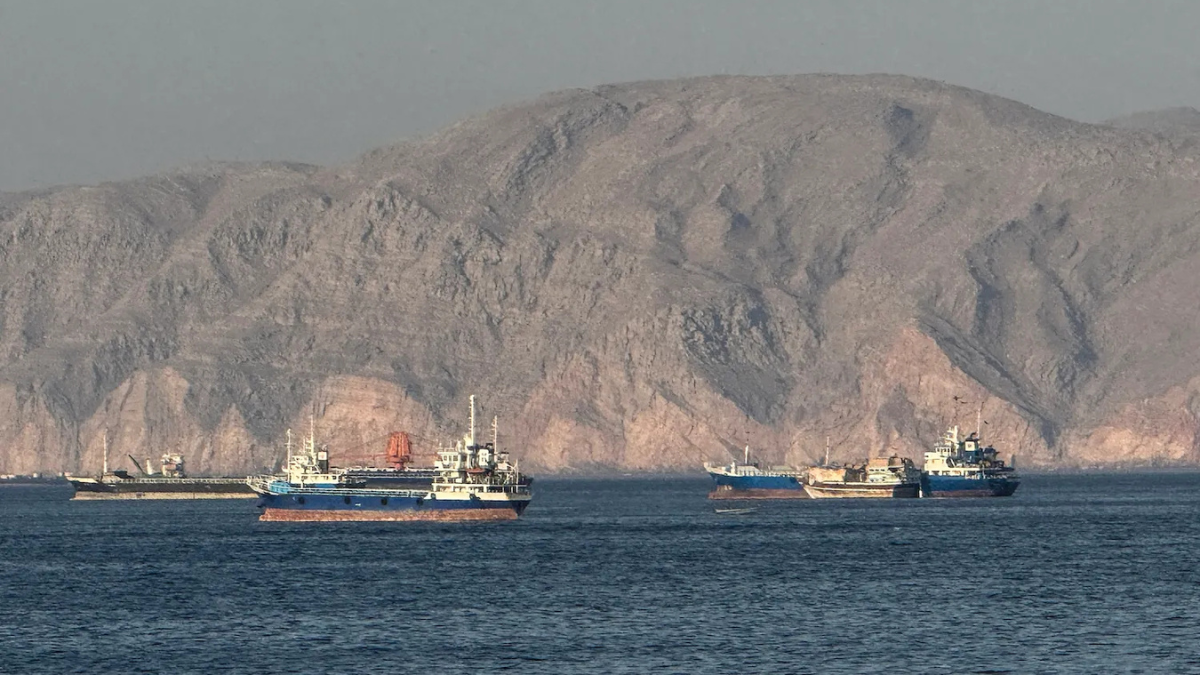


Fresh fighting between the United States and Iran this week, coupled with President Donald Trump's declaration that the ceasefire with Tehran is "over", has been followed by reports that Iranian officials privately acknowledged responsibility for attacks on commercial vessels in the Strait of Hormuz and signalled a desire to keep diplomatic channels open.
According to CBS, Iranian officials told advisers to Trump that the attacks had been a mistake and were carried out by an "errant" group of hardliners seeking to derail the ongoing negotiations. Senior US officials said the message conveyed by the Iranian side to Washington was: “We screwed up. We made a mistake. Let’s keep talking."
The White House is now seeking a public acknowledgement from Tehran of what it considers a breach of the ceasefire agreement.
The reports said Iranian officials told Trump's advisers that the attacks on merchant ships were orchestrated by an "errant" faction within Iran that was attempting to sabotage the understanding reached between the two sides.
That account has emerged as one of two competing explanations for the attacks. Iran has maintained that rogue hardliners were responsible for disrupting the peace process.
The Trump administration, however, believes Tehran changed course after recognising that oil and gas shipments were increasingly using the southern shipping lane along the Omani coast, weakening Iran's strategic influence over the Strait of Hormuz.
According to US officials, Iran became alarmed by the growing volume of commercial traffic through the southern route before retreating from what Washington views as its commitments.
Another round of negotiations is scheduled to take place in Oman on Saturday. Trump has directed his negotiating team, comprising Vice President JD Vance, Jared Kushner, Special Envoy Steve Witkoff and Secretary of State Marco Rubio, to continue talks with Iranian representatives.
Following those discussions, the White House expects Tehran to publicly affirm that the Strait of Hormuz will remain open and continue to operate as it did before the conflict began. A senior US official warned that if Iran failed to adopt that position, “it’s not going to be a great day for them."
Another official described the current stage of the diplomatic process as “a wait-and-see moment."
US officials said Washington remains prepared to apply both military and economic pressure should Iran continue actions it considers hostile. At the same time, they said Trump has allowed negotiators flexibility to pursue an agreement, though not without a deadline.
According to the officials, the administration's immediate objective is securing freedom of navigation through the Strait of Hormuz before turning its attention to more contentious issues.
The Trump administration also addressed what the president has called the remaining "nuclear dust" from Iran's nuclear programme.
US officials said their preferred outcome would be to excavate Iran's buried uranium. However, they added that if Iran refuses to act like what they described as a “normal country", other options remain under consideration, including leaving the material buried.
One official said that unless Iran can fulfil what Washington regards as the most straightforward element of the understanding — keeping the Strait of Hormuz open for international commerce — negotiations are unlikely to progress to the more complex issue of Iran's nuclear programme.