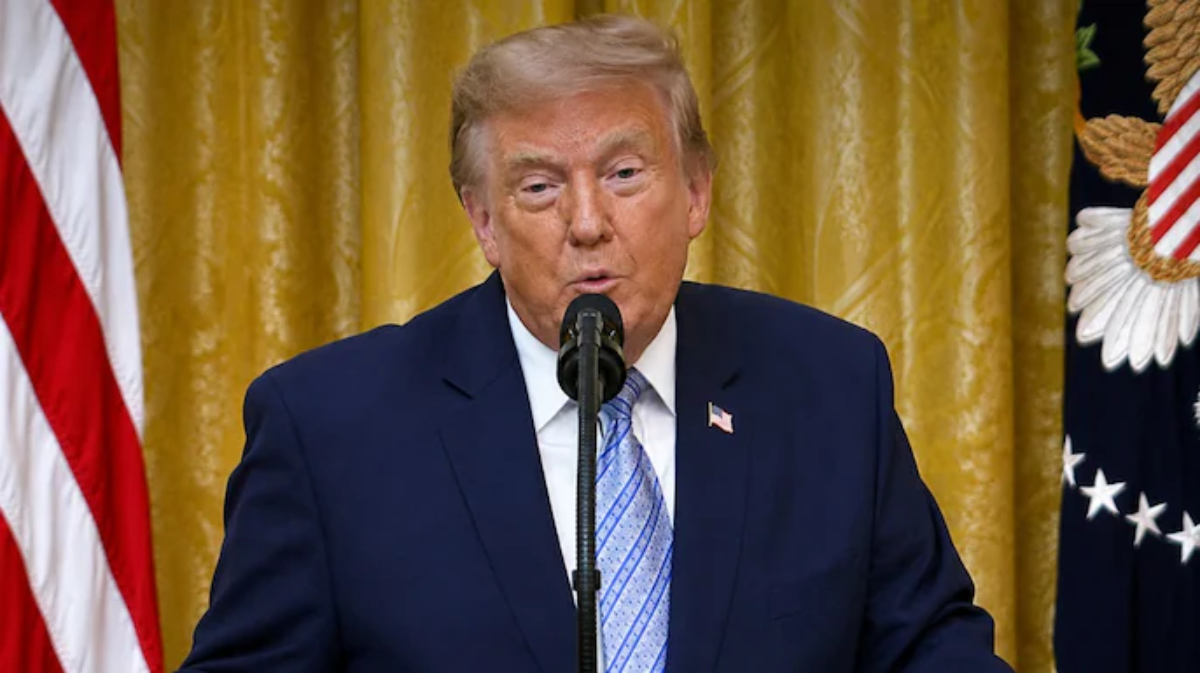


The United States is planning to reinforce its military presence in Israel by deploying dozens of additional aerial refuelling aircraft as President Donald Trump weighs a broader military campaign against Iran, according to an Axios report.
The move comes after Trump reviewed multiple military options during a Situation Room meeting on Tuesday. The proposals reportedly include expanding operations beyond the current US strikes around the Strait of Hormuz to hit key infrastructure and nuclear-related facilities inside Iran.
While the US president has yet to make a final decision, American and Israeli officials told Axios that an escalation could be authorised within the next few days.
Among the military options under review are strikes on Iranian power plants and additional attacks on nuclear facilities designed to push the country's enriched uranium stockpile even deeper underground, making it harder to access.
Another site under consideration is the underground Pickaxe Mountain complex, believed to be a facility that is still under construction.
According to the report, Trump is seeking to inflict sufficient damage to compel Tehran to reopen the Strait of Hormuz and accept his demands regarding its nuclear programme.
Separately, The Wall Street Journal reported that Trump has been consulting Vice President JD Vance, Defence Secretary Pete Hegseth, Secretary of State Marco Rubio and Chairman of the Joint Chiefs of Staff General Dan Caine as he considers the next phase of US operations.
The United States currently has about 30 military refuelling aircraft stationed at Ben Gurion International Airport near Tel Aviv and a similar number at Ramon Airport in southern Israel.
Israeli officials told Axios that Washington intends to send several dozen more aircraft in the coming days, restoring the deployment to roughly the same level seen at the start of the conflict.
Aerial refuelling aircraft enable fighter jets and bombers to remain in the air for extended periods and operate across greater distances, making them a key asset in any sustained campaign against targets inside Iran.
The Trump administration has requested that Israel accommodate the incoming aircraft, with Prime Minister Benjamin Netanyahu expected to make the final decision on the proposal.
According to Israeli officials, US military planners favour Ben Gurion Airport as the operating base because alternative facilities in the region are considered more vulnerable to potential Iranian attacks.
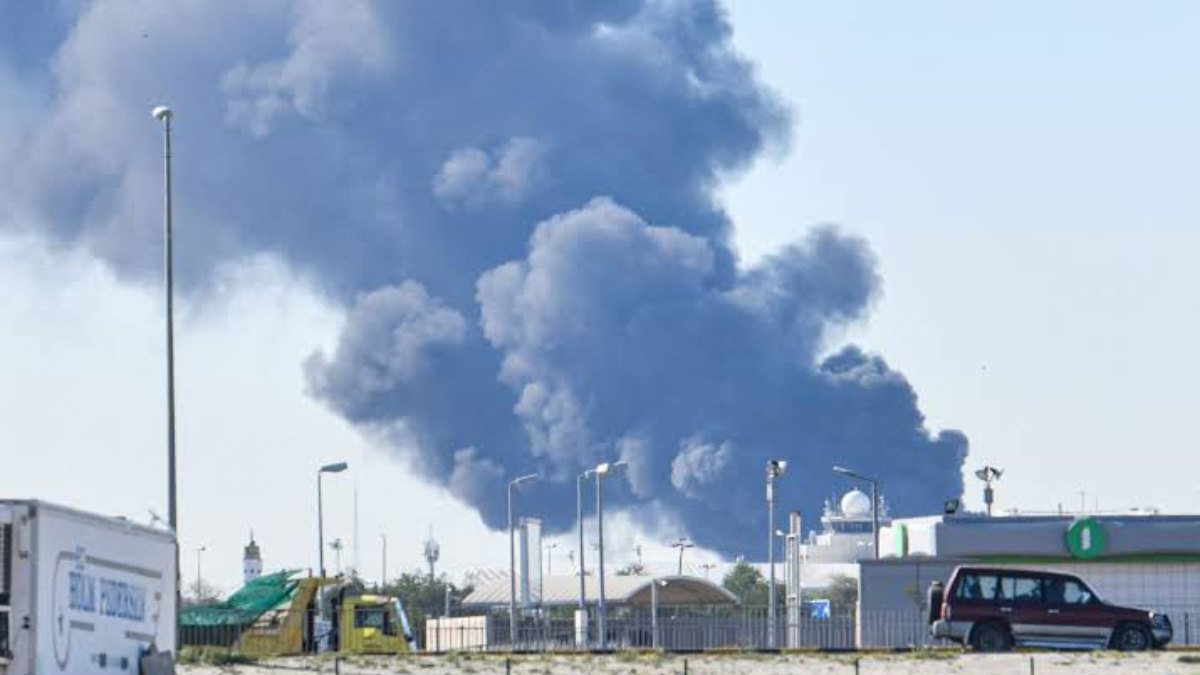
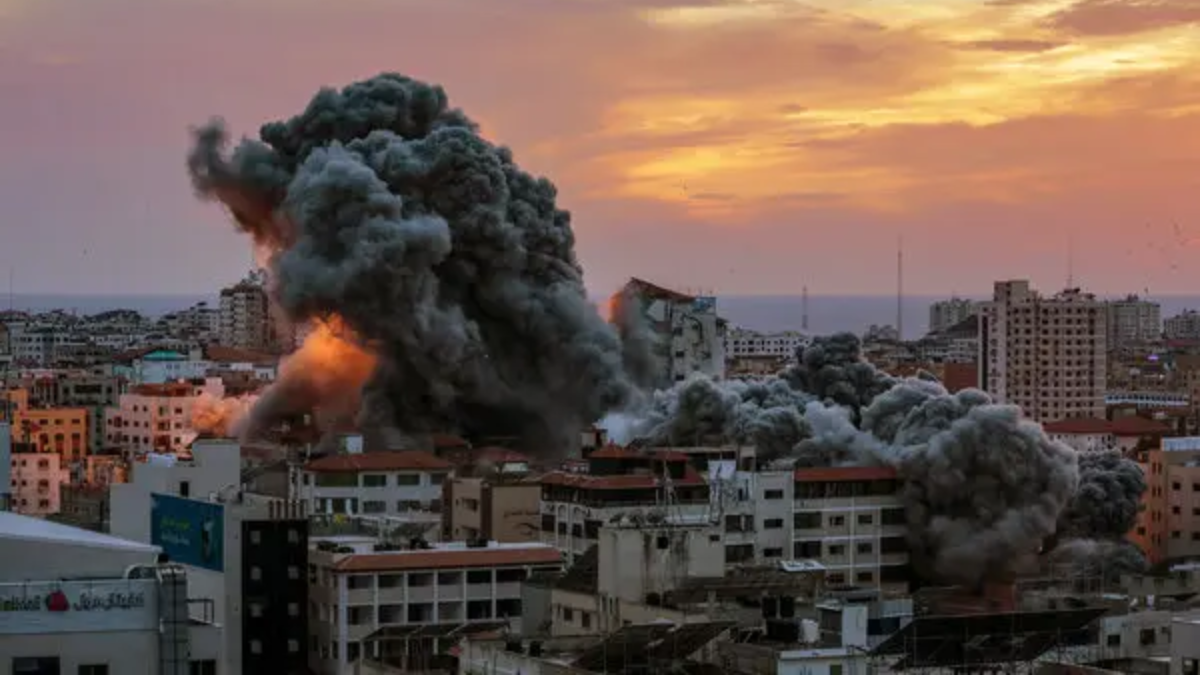
The planned reinforcement comes as US operations targeting Iranian positions in and around the Strait of Hormuz entered their seventh consecutive day on Saturday.
Citing a US official, Axios reported that American forces struck at least seven bridges around Bandar Abbas, a strategic port city used by the Islamic Revolutionary Guard Corps for operations in the strait.
The official said Bandar Abbas serves as a key route for transporting ammunition, supplies and reinforcements to other locations along the Strait of Hormuz.
Iran has meanwhile intensified attacks on US military installations in Jordan, Qatar, Bahrain, Iraq and Kuwait.
The Islamic Revolutionary Guard Corps also claimed responsibility for an attack on an American base in Syria, although US troops had withdrawn from the facility several months earlier.
Tehran had previously asserted that its ballistic missile and drone attacks destroyed "several US refuelling aircraft and fighter jets" stationed in Jordan and inflicted "serious damage to many more".
The IRGC Navy Command said Iranian naval forces are closely tracking American military movements and equipment across the region.
“The Americans are drawing closer by the moment to the zero hour of an operation by Iran’s Armed Forces against CENTCOM naval units in the region’s waters," the IRGC statement, carried by Iranian state television, said. It concluded with the warning: “Wait and see".
Despite the escalating confrontation, Iran has so far refrained from directly attacking Israel, amid concerns that such a move could provoke a much larger Israeli military response.
Netanyahu delivered a warning to Tehran during a speech on Tuesday.
“I can tell you only one thing, and I will say this to the leaders of Iran: Do not count on it being quiet if you attack us," Netanyahu said.
“Do not count on a rerun. Because it will not be a rerun, and that was already powerful enough. This will be a different event, much more powerful."
The proposed deployment has also sparked debate within Israel over its impact on civilian air traffic.
Dozens of US refuelling aircraft have occupied considerable space at Ben Gurion Airport for months. While this created limited disruption when Israeli airspace was largely closed and many international carriers had suspended flights, the situation has changed with the reopening of the airspace and the start of the busy summer travel season.
Axios reported that the arrival of additional military aircraft could lead to widespread flight cancellations.
Israeli Transport Minister Miri Regev, a close ally of Netanyahu, has argued that the aircraft should either be relocated from Ben Gurion Airport or their numbers reduced. The proposal has been opposed by both the Israeli Defence Ministry and the military.
The dispute could also have political implications for Netanyahu's governing coalition as Israel heads towards national elections in three months.
Also Read | Pakistan Fears Being Pulled Into US-Iran Conflict After Houthis Strike Saudi Arabia
Also Read | UK Labour Party Set to Confirm Andy Burnham as UK Prime Minister