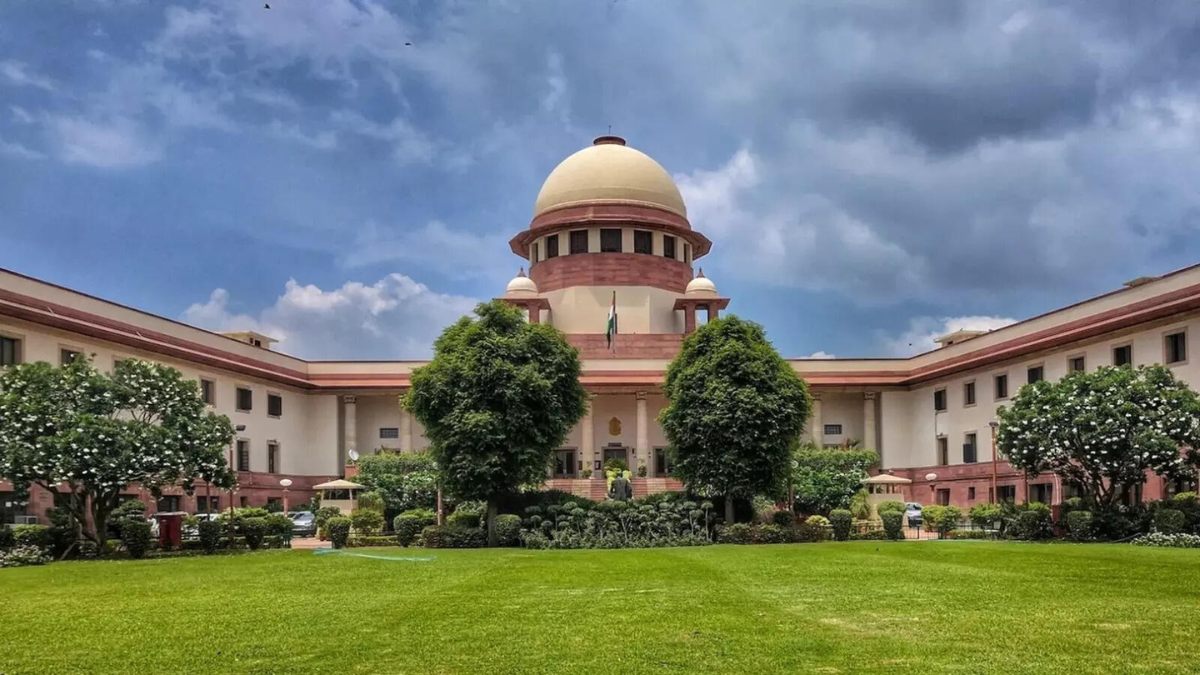
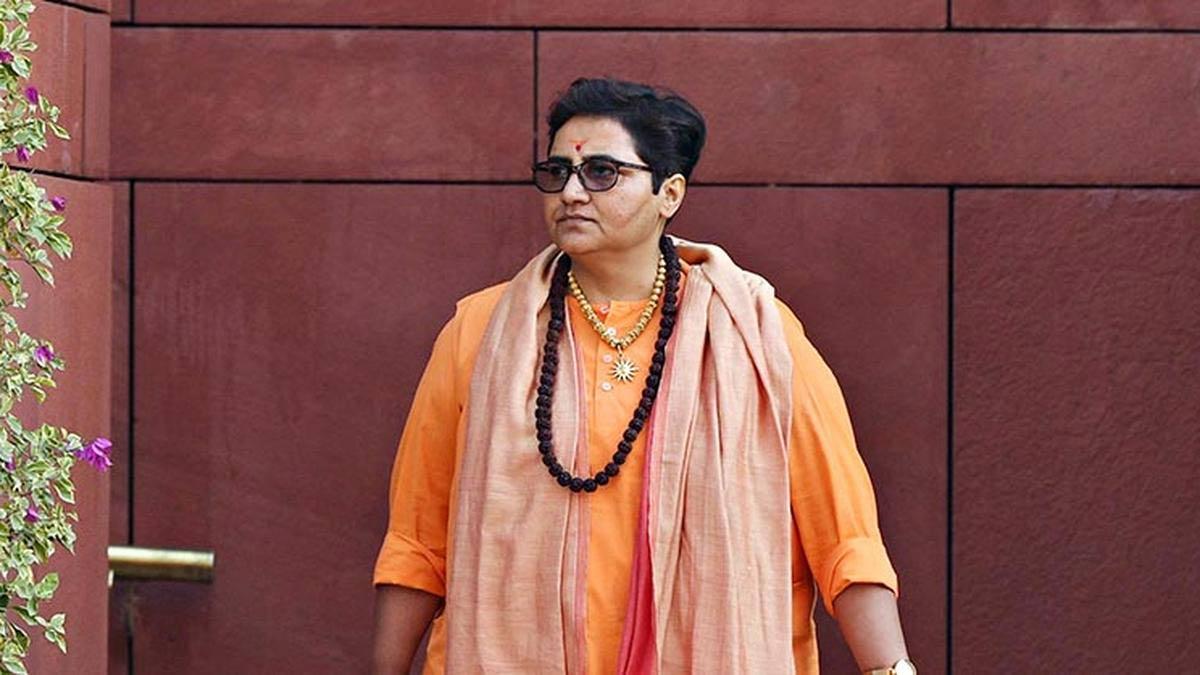


Seventeen years after a devastating blast rocked Malegaon in Maharashtra, leaving six people dead and over a hundred injured, a special NIA court in Mumbai today acquitted all seven accused in the case.
Of them include former BJP MP Pragya Singh Thakur and ex-Army officer Lieutenant Colonel Prasad Shrikant Purohit.
It happened late on the evening of September 29, 2008, close to Bhikku Chowk—a neighborhood within the communally charged town located some 200 kilometers off Mumbai—within the Islamic holy month of Ramzan.
Rendering the verdict, Special Judge A.K. Lahoti held that the prosecution failed to prove its charges. Due to the lack of clear-cut evidence, the judge said the accused deserve the benefit of doubt. He also went on to say that the investigators could not convincingly establish that the motorcycle employed in the bombing was owned by Pragya Thakur, noting that the engine number was not clear and the chassis number was altered.
While recognizing that terrorism crosses religious lines, the court reiterated that convictions must not be based on perceptions.
Those Acquitted
The following were tried:
Pragya Singh Thakur, then Bhopal BJP MP
Lt Col Prasad Shrikant Purohit, then in Military Intelligence
Major (Retired) Ramesh Upadhyay
Ajay Rahirkar
Sudhakar Dwivedi
Sudhakar Chaturvedi
Sameer Kulkarni
They were prosecuted under the Unlawful Activities (Prevention) Act (UAPA) and various IPC sections, such as sections related to criminal conspiracy, murder, attempt to murder, promotion of enmity, and voluntarily causing harm. All seven of them had been granted bail at some point during the trial.
The investigation began first with the Maharashtra Anti-Terrorism Squad (ATS), then headed by Hemant Karkare, who was killed in the 26/11 Mumbai attacks. The ATS started arresting people in October 2008, shortly after tracking down the motorbike, which was supposedly used in the attack, to Pragya Thakur. She reportedly had provided the two-wheeler to the suspected perpetrators. The group, it was claimed, consisted of former soldiers and members of an extreme group called Abhinav Bharat.
In giving the judgment, the court recognized that the blast did, in fact, occur but ruled that the National Investigation Agency (NIA) could not prove that the explosive device had been planted on the concerned motorcycle. It also observed that while there were suspicions of RDX being the explosive material used, no evidence was established to show that it had been kept at Purohit's residence, nor was there any hint of him being involved in the making of the bomb.
The court saw no credible evidence connecting the motorcycle with Pragya Thakur. Further, it raised some discrepancies in medical reports and documents related to custody and treatment of some of the accused persons, citing cases of apparent "manipulation." The judge emphasized that suspicion is not sufficient for conviction, reminding us of the necessity of firm evidence.
All seven accused persons appeared before the court when the judgment was delivered.
Following her acquittal, Pragya Thakur said the case had upended her life.
"I told this right at the very start that those who are summoned for investigation, there has to be a reason behind it. I was summoned by them for investigation and detained and tortured. This spoiled my entire life. I was leading a sage's life, but I was turned into an accused, and no one was coming to us voluntarily. I am alive because I am a Sanyasi," she said, adding that divine justice would reign.
Her legal team had maintained throughout that the motorcycle was sold years prior to the bombing and argued that the evidence against her had been fabricated.
Lt Col Purohit’s defense maintained he had infiltrated Abhinav Bharat as part of his role in military intelligence and regularly updated his superiors about its activities. His team also pointed out inconsistencies in witness testimonies and procedural flaws during the investigation.
Other suspects like Upadhyay and Kulkarni charged that they were subjected to custodial torture by the ATS and their confessions were forced.
In April 2011, the case was shifted by the central government of the UPA to the NIA. By 2016, the agency had dropped MCOCA charges for lack of evidence, but UAPA and IPC charges continued against the other seven.
The NIA had submitted a supplementary chargesheet requesting Pragya Thakur's discharge from the case. The special court, however, turned down the petition, saying there was sufficient material to conduct a trial.
Formal hearings started in 2018. During the trial, the prosecution produced 323 witnesses and the defense presented eight witnesses. Almost 40 of the prosecution witnesses turned hostile later on. The case comprised over 10,800 documents, and written submissions ran into more than 1,300 pages in three volumes.
The case was heard by five judges in succession over a period of seven years. Judge A.K. Lahoti, who presided in 2023, reserved the verdict on April 19, after comprehensive final arguments by both parties.
Read also| Watch| US-India NISAR Satellite Launched to Track Earth's Changing Landscape
Read also| Daya Nayak Promoted to ACP Just Two Days Before Retirement