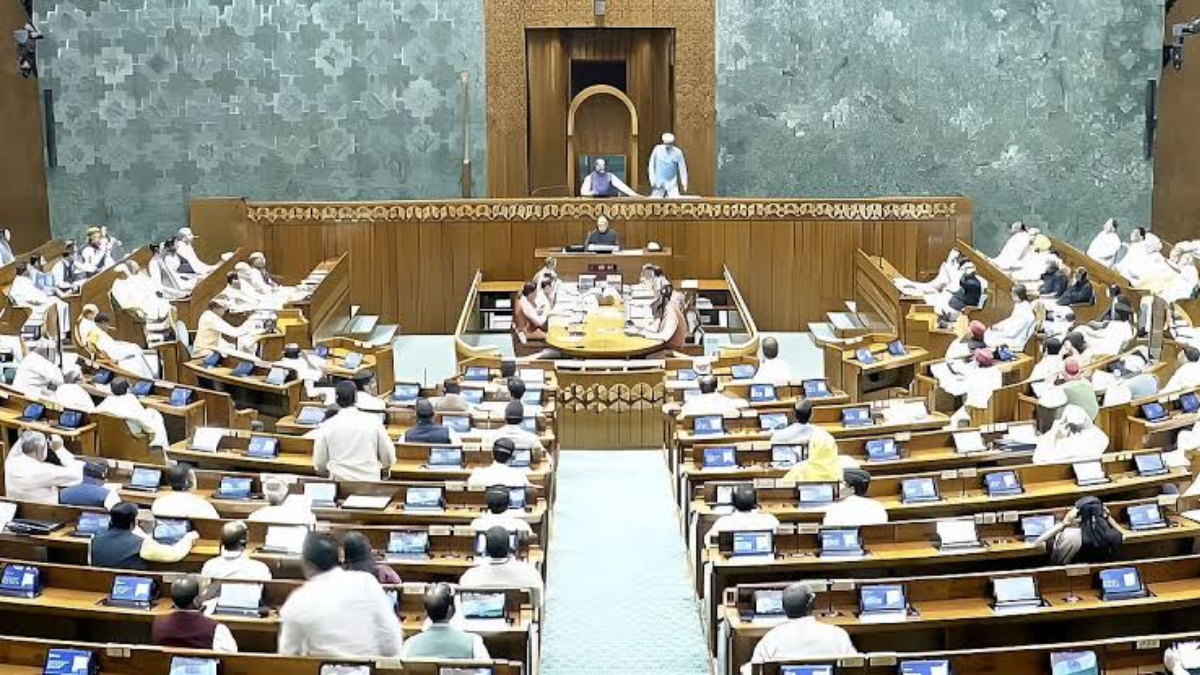


A bill that seeks to make insulting or obstructing the singing of Vande Mataram a punishable offence is set to be introduced in the Lok Sabha during Parliament’s session beginning July 20.
The Prevention of Insults to National Honour (Amendment) Bill, which has already received approval from the Union Cabinet, proposes extending legal protection to India’s National Song. The move comes after the Ministry of Home Affairs issued guidelines making the playing or singing of Vande Mataram mandatory at official events where the National Anthem, Jana Gana Mana, is performed.
The list of bills scheduled for introduction in the Lok Sabha also includes legislation aimed at making delayed registration of births and deaths more stringent.
If the Prevention of Insults to National Honour (Amendment) Bill is passed by both Houses of Parliament, insulting Vande Mataram would become a criminal offence under the law. The National Song would then receive protection similar to other key national symbols, including the National Anthem, the National Flag and the Constitution, whose deliberate insult currently attracts legal action.
The BJP has long argued that previous “secular” governments failed to give Vande Mataram its appropriate status because they accommodated objections from sections of the Muslim community over the song’s Hindu imagery. In recent years, there have been instances where opposition-ruled state governments and groups representing minority communities have allegedly not shown adequate respect towards the song.
A key issue that will draw attention is how the proposed legislation defines “insult”, as several disputes related to alleged disrespect towards Vande Mataram have already reached courts.
Meanwhile, despite speculation that the government could bring back legislation related to delimitation and the implementation of women’s reservation in the Lok Sabha and state assemblies from 2029, the list released by the Lok Sabha Secretariat did not mention such a bill.
The legislation can only be introduced after Cabinet approval, and government sources said the timing of any such move would be decided after the session begins.
Another bill cleared by the Cabinet, the Registration of Births and Deaths (Amendment) Bill, proposes stricter rules for delayed registration. Under the proposed changes, birth and death registrations reported after a period of two years would require an order from a first-class judicial magistrate. This would replace the current system, under which approval from a district magistrate, sub-divisional magistrate or executive magistrate is sufficient.
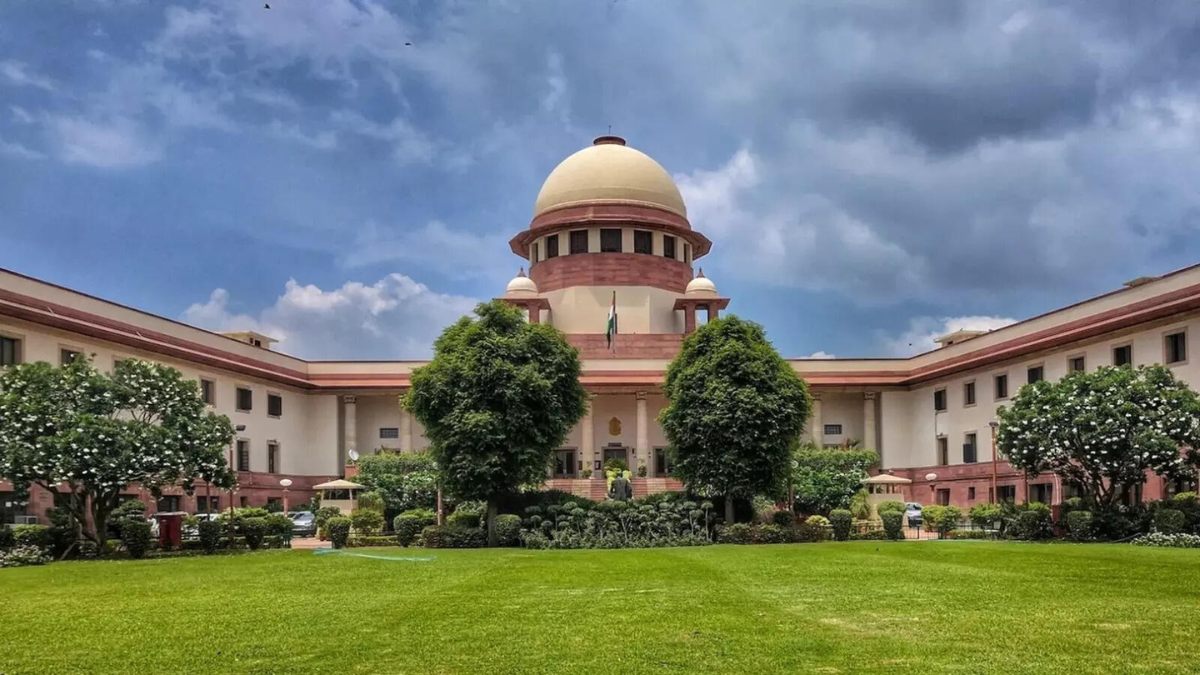
The Supreme Court (Number of Judges) Amendment Bill is also expected to be taken up. The legislation would provide parliamentary approval to an ordinance that increased the sanctioned strength of Supreme Court judges from 33 to 37.
Among other bills listed for consideration and passage in the Lok Sabha are the Foreign Contribution (Regulation) Amendment Bill, which was introduced in the previous session and faced strong criticism from opposition parties over allegations that it could target funding received by NGOs, particularly those associated with Christian organisations.
The Viksit Bharat Shiksha Adhishthan Bill, which aims to restructure higher education regulation and is currently under examination by a parliamentary committee, is also among the proposed legislations.