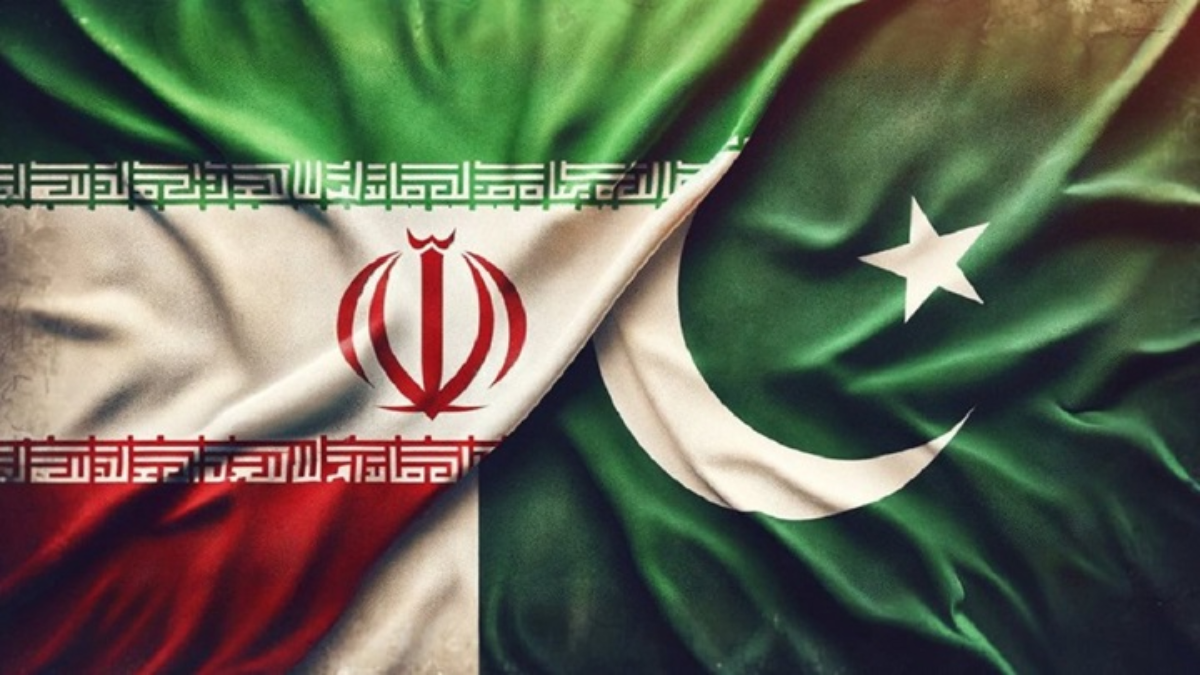
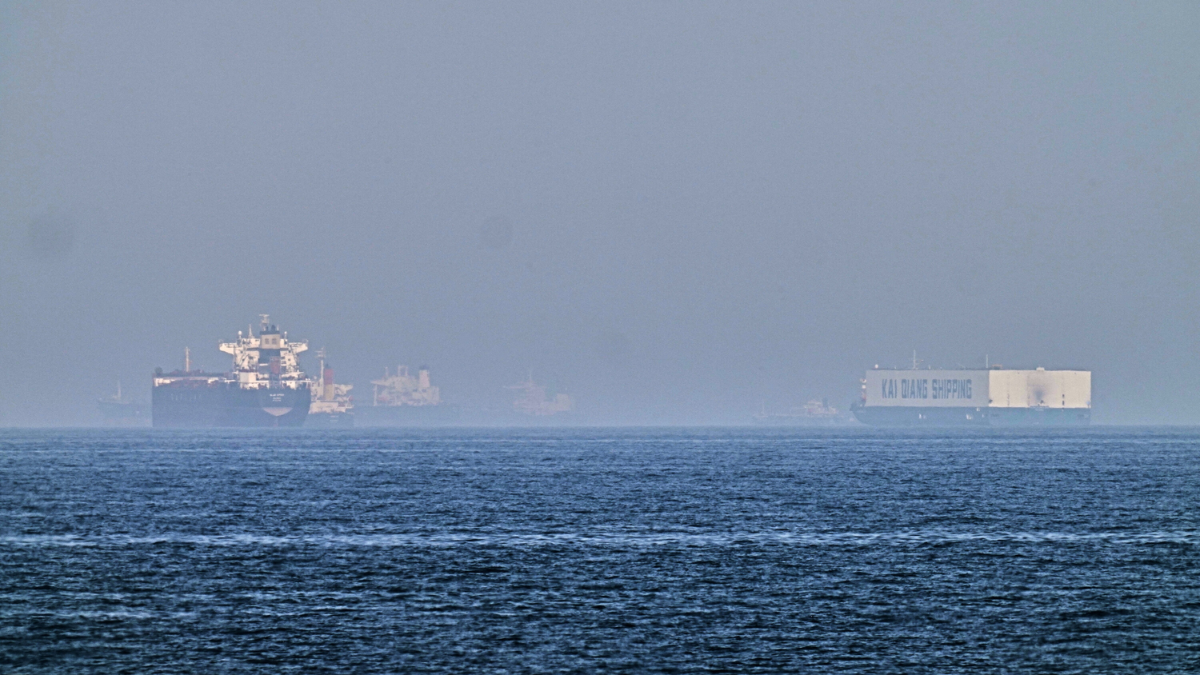


Iran has formally withdrawn from its memorandum of understanding (MoU) with the United States, accusing Washington of breaching and ultimately destroying the truce reached last month, as rising tensions over the Strait of Hormuz bring both countries closer to another confrontation.
In a statement, Iran's Foreign Ministry said Tehran no longer considers itself bound by key provisions of the agreement that had been negotiated to halt hostilities. The ministry alleged that the United States repeatedly failed to honour its commitments and effectively terminated the accord by restoring a naval blockade on Iranian ports.
“The US not only violated the agreement but completely dismantled it," the ministry said, adding that Iran would no longer be obligated to fulfil portions of the truce.
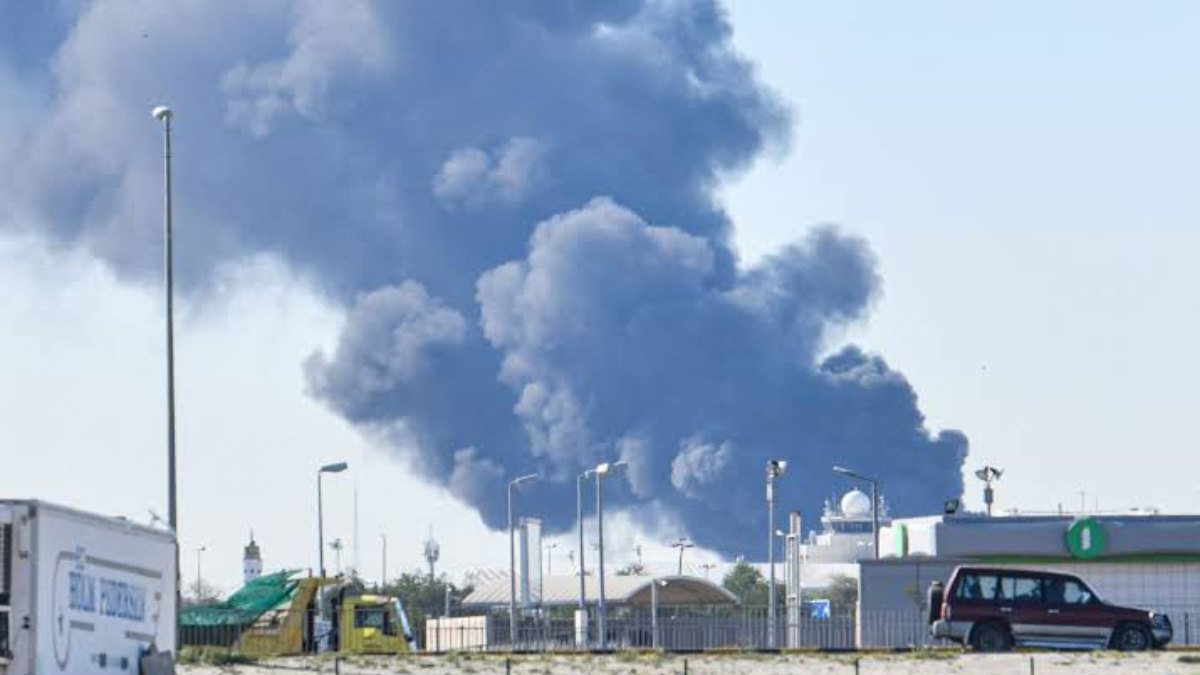
The announcement came just hours after the US military reinstated its blockade of Iranian ports, citing attacks by Tehran on ships attempting to pass through the Strait of Hormuz. The move marked a significant escalation in a dispute centred on one of the world's most strategically important energy corridors, through which nearly one-fifth of global oil and natural gas supplies move during peacetime.
Iran's Deputy Foreign Minister Kazem Gharibabadi said the country would assert “full sovereignty over the Strait of Hormuz, no matter the costs". He added that although Oman ordinarily shares control of the vital waterway, “for national security reasons Iran must control all of the Strait" during wartime. Gharibabadi also signalled a hardening of Tehran's position, stating that Iran would “never request negotiations with the United States".
The latest developments effectively unravel the interim agreement signed in June, which had established a 60-day period for negotiations covering issues such as Iran's nuclear programme and maritime security.
The United States initially imposed a blockade on Iranian ports in April before lifting it in mid-June, one day after the truce framework was agreed. Negotiations later lost momentum as military clashes around the Strait of Hormuz intensified.
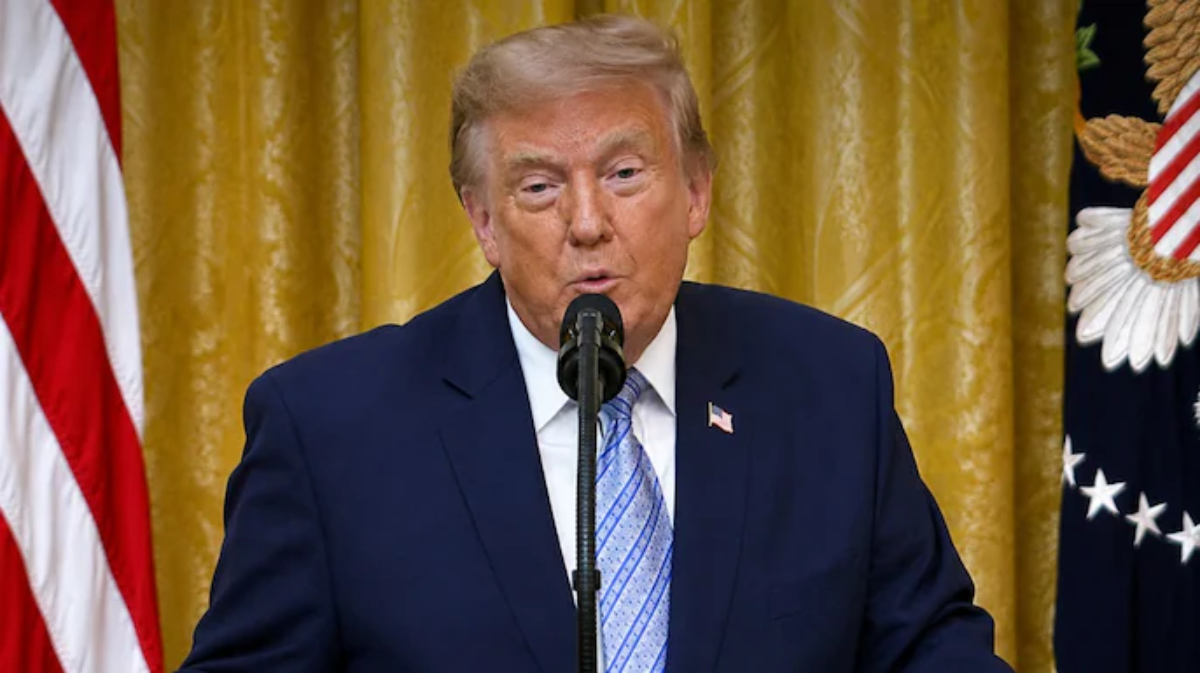
Earlier this week, US President Donald Trump announced the restoration of the blockade, arguing that Iranian attacks on commercial vessels required a stronger response. Trump had previously proposed a 20% fee on ships transiting the strait but later dropped the idea following objections from Gulf allies.
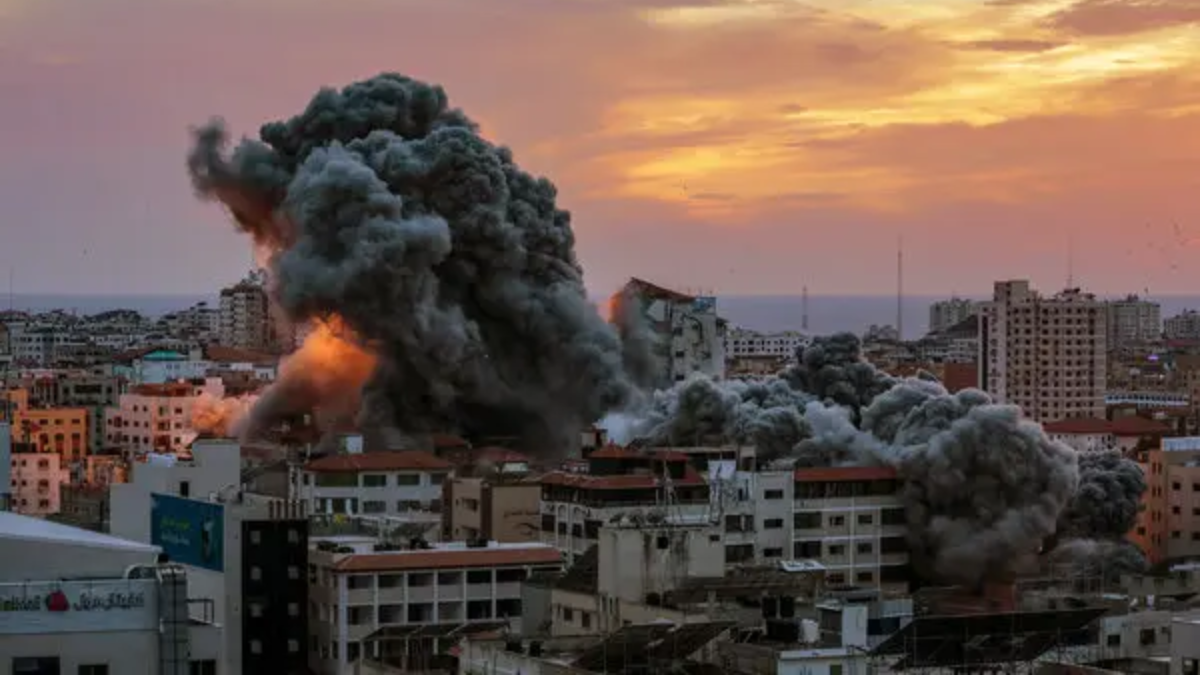
The Strait of Hormuz has remained the focal point of the conflict since fighting erupted earlier this year. Repeated Iranian attacks and threats targeting commercial shipping have disrupted maritime traffic and contributed to sharp increases in global oil and commodity prices.
Also Read | Watch | Why Donald Trump Wants to "Take It Out": What Is Pickaxe Mountain?