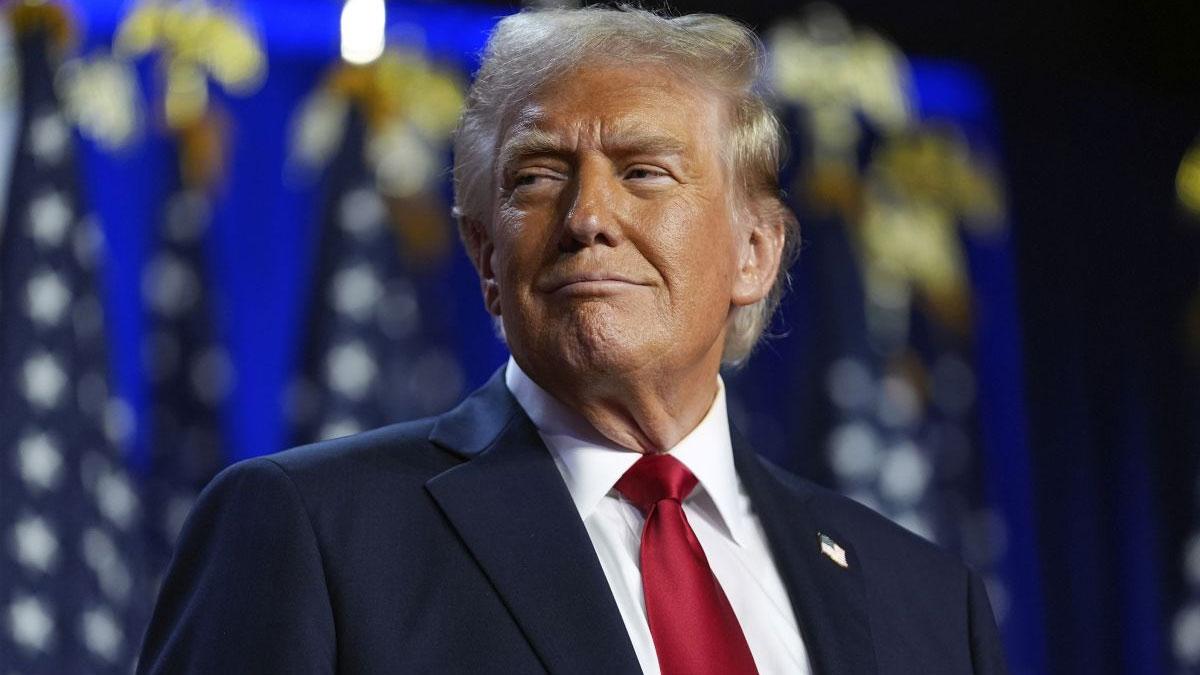


The United States has reaffirmed that the Trump administration was critical in assisting to alleviate the tensions between India and Pakistan in recent months. This was brought out as part of America's greater goal to ease conflict resolution and assist peaceful diplomacy across the globe.
In a United Nations Security Council meeting, U.S. Representative Ambassador Dorothy Shea reiterated Washington's steadfast commitment to peacefully resolving international conflicts through talks.
She also firmly opposed Beijing, denouncing China's "ambitious and illegal" claims in the South China Sea and aggressive strategies to pursue them.
"Around the world, the United States remains engaged with parties to conflicts, wherever practicable, to seek peaceful resolution," Ambassador Shea said during the Council's open debate on 'Multilateralism and Peaceful Settlement of Disputes.' The meeting was chaired by Pakistan, which is holding the month-long rotating presidency of the 15-member Security Council in July.
Pakistan, which is a non-permanent member of the Council, has hosted two major events in its membership tenure—one on strengthening international peace and security through multilateralism and conflict resolution, and the other on the coordination of the UN with regional organizations, such as the Organisation of Islamic Cooperation (OIC).
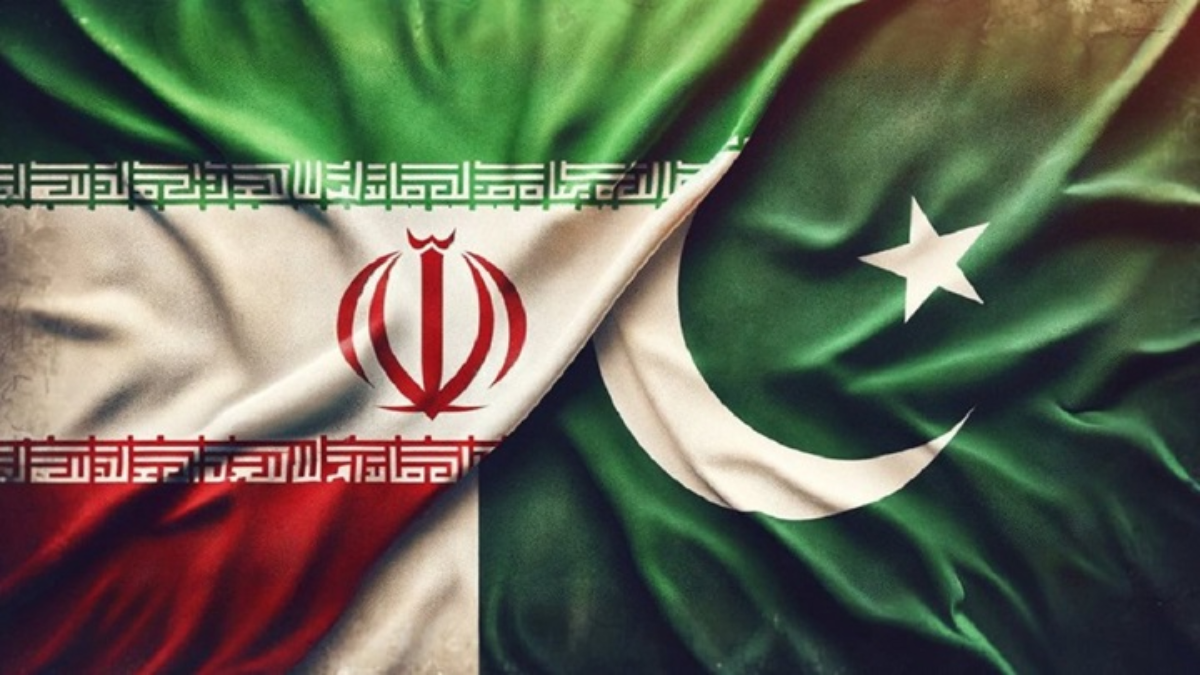
Chairing the gathering, Pakistan's Foreign Minister and Deputy Prime Minister Ishaq Dar listened to Ambassador Shea quote recent American diplomatic actions. She explained that in only three months' time, American leadership has facilitated "de-escalations between Israel and Iran, between Rwanda and the Democratic Republic of Congo, and between India and Pakistan."
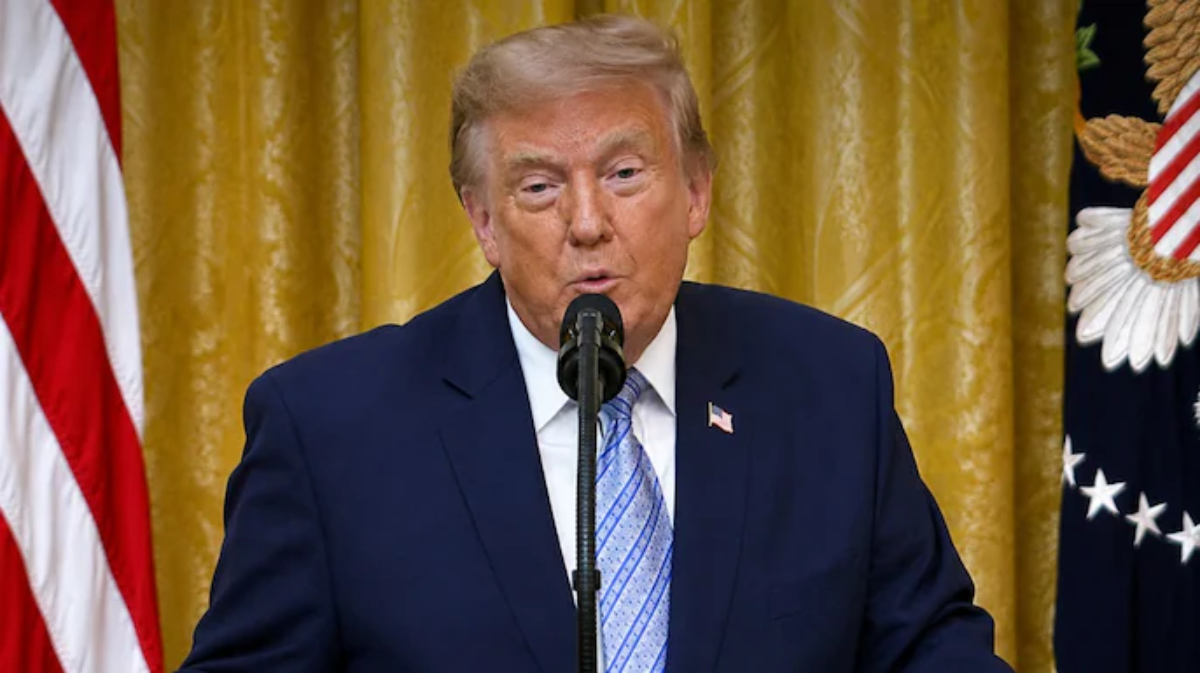
"The United States, under President Trump's leadership, played an important role in encouraging the parties to reach these resolutions, which we applaud and support," she said.
Washington called on all United Nations member states involved in conflicts or disputes to follow the examples of nations that have recently resolved tensions peacefully, urging them to prioritize peaceful solutions and bring violence to an end, the U.S. diplomat said.
Since May 10, former President Donald Trump and his government have insisted time and again that the U.S. played an important role in cooling down tensions between India and Pakistan. Trump has insisted on several occasions that he "helped settle" the standoff between the two nuclear-powered South Asian states and presented them with the offer of increased trade with the United States if hostilities were ended.
But New Delhi has always resisted this explanation. Indian officials made it clear that it was Pakistan which had asked for a ceasefire, and India conveyed to Washington that it would not accept any type of mediation by a third party. This explanation directly counters the U.S. account of its role in the ceasefire pact.
India's Permanent Representative to the United Nations, Ambassador Parvathaneni Harish, spoke to the Security Council on Wednesday, expressing India's position. According to him, India had conducted Operation Sindoor, a military operation against terrorist camps based in Pakistan and in Pakistan-occupied Jammu and Kashmir (PoJK). Harish highlighted that the operation was "focused, measured, and non-escalatory" and that military action ended only after India had achieved its aims and on Pakistan's own insistence. "On the accomplishment of its core goals, a stoppage in military action was directly finalized at Pakistan's request," he added.
"There cannot be one standard approach to dispute resolution. The changing circumstances and context also need to be taken into account while considering any such efforts. India, as a responsible actor, and a founding member of the United Nations, has always actively engaged constructively with partners, especially at the United Nations, in collectively working towards a more peaceful, prosperous and just and equitable world," he added.
The United States was also vociferous in denouncing China's broad and unlawful claims in the South China Sea, underscoring the destabilizing and dangerous way Beijing seeks to impose control on the area.We again urge China to respect the 2016 decision of the Arbitral Tribunal seated under the 1982 Law of the Sea Convention, which is final and legally binding upon China and the Philippines," Ambassador Dorothy Shea stated.
She continued on to emphasize China's continued disrespect for its international obligations, saying that Beijing for almost a decade now has not respected the obligations of the Convention. Rather, China has openly criticized the tribunal's ruling, hindered the legitimate exercise of high seas freedoms, and continued to assert extensive and illegal maritime claims. These claims, Shea explained, intrude into the sovereign rights and jurisdiction of other coastal states in the South China Sea—specifically the Philippines, Brunei, Indonesia, Malaysia, and Vietnam.
Read also| Chinese‑Made F‑7 BGI Jet Crashes into Dhaka School, Killing Over 19
Read also| Report Alleges PoK Migrants Using Forged Documents to Obtain UK Visas