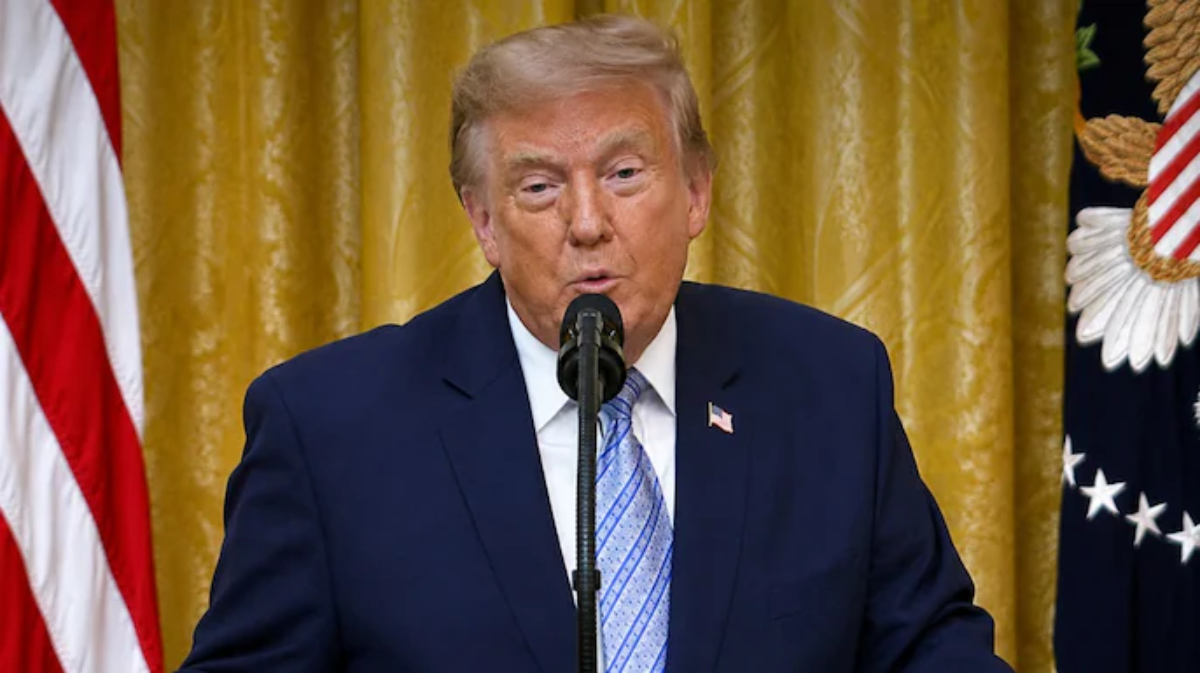


Under the newly inked "One Big Beautiful Bill," US President Donald Trump has announced a major policy change that will affect millions of foreign nationals — including a large number of Indian travelers.
One of the provisions in the bill, signed on July 4, is the introduction of a new non-refundable fee of $250, called the Visa Integrity Fee, which will be charged on the majority of non-immigrant visa categories from 2026.
The Visa Integrity Fee is a required additional fee of $250 (around ₹21,400) that will be charged when a visa is issued. It is applicable to almost all non-immigrant visa categories and will be adjusted annually for inflation.
It will be based on the Consumer Price Index (CPI).
This charge is not discretionary and cannot be waived in standard cases. It can, though, be reimbursed in certain circumstances (described below).
The surcharge will affect Indian nationals who are applying for a broad array of US visas, including:
B-1/B-2 visas (for business and tourism),
F and M visas (for students),
H-1B visas (for specialized workers),
J visas (for exchange visitors).
Only those with diplomatic visas in categories A and G are exempt. Indian students, tourists, professionals, and business travelers will therefore pay much more in application fees.
Currently, a standard B-1/B-2 visa for Indian applicants costs $185 (around ₹15,800). With the Visa Integrity Fee, and including other minor charges like the I-94 fee ($24) and the ESTA fee ($13), the total cost of obtaining a US tourist or business visa will increase to approximately $472 (₹40,500).
This is over 2.5 times the existing visa fee, and a considerable financial burden on most visa seekers. F and H-1B visa costs will also escalate dramatically under this new regulation.
While non-refundable by default, the Visa Integrity Fee can be refunded in some situations. For instance, if a visa holder:
Quits the US five days or less after visa expiration,
Seeks and obtains a lawful extension,
Amends immigration status (e.g., gets green card),
then they might be eligible for a refund.
Overstaying or breaking visa conditions, however, will make applicants ineligible for any refund.
As per the US government, the Visa Integrity Fee will help facilitate compliance with visa terms and better monitor non-immigrant visitors. Designed as a type of security deposit, the fee should deter overstays and incentivize lawful conduct by foreign nationals entering the United States.
The Department of Homeland Security (DHS) will be responsible for implementing the policy and has the authority to adjust the fee on an annual basis based on inflation rates.
In addition to the visa surcharge, Trump's expansive 900-page immigration bill also features a 1% excise tax on remittances, or immigrants sending money overseas — including to India — being charged more. This is included in efforts to expand immigration restrictions while collecting more money from foreign nationals present or employed in the United States.
Read also| Trump Announces 35% Tariff on Canadian Imports Effective August 1
Read also| Netanyahu Open to Permanent Gaza Ceasefire Talks if Hamas Agrees to Disarm