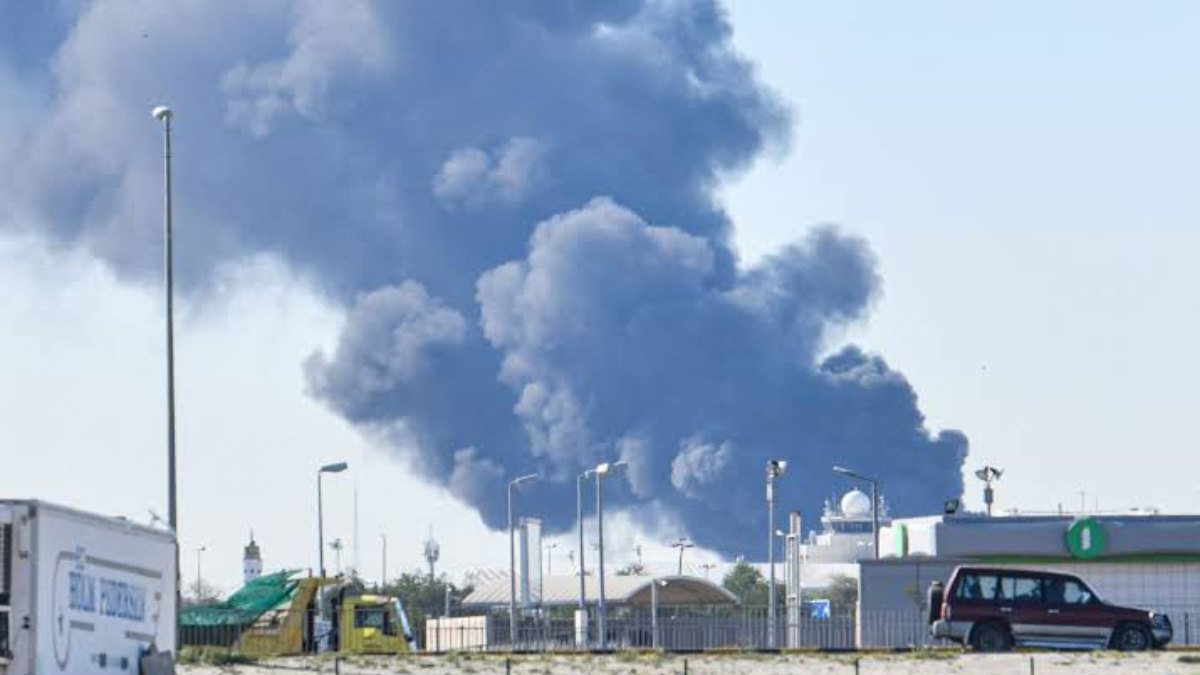


In a major breakthrough, the United Nations Security Council (UNSC) has, for the first time, officially designated The Resistance Front (TRF) as the organization behind the April 22 terror attack at Pahalgam, Jammu and Kashmir.
The recognition came in the UN's sanctions monitoring committee's latest report, which directly mentioned TRF's claim of responsibility for the attack that took 26 lives.
This is the first time TRF — a proxy group attached to Pakistan's Lashkar-e-Taiba (LeT) — has been directly named in any UN official document, a step taken while Pakistan continues to oppose this on the global front.
Five militants attacked Pahalgam, as per the report. TRF had accepted responsibility for the attack on the day itself and even released a picture of the attack location. The outfit reaffirmed its claim one day later, April 23, only to withdraw it subsequently on April 26. No other outfit came forward to own up.
However, the report states that at least two UN member states informed the sanctions team that such an attack without the involvement of LeT is not likely. According to one member state, TRF and LeT are effectively the same thing. A third member state did contradict that perception, stating that LeT was no longer operational.
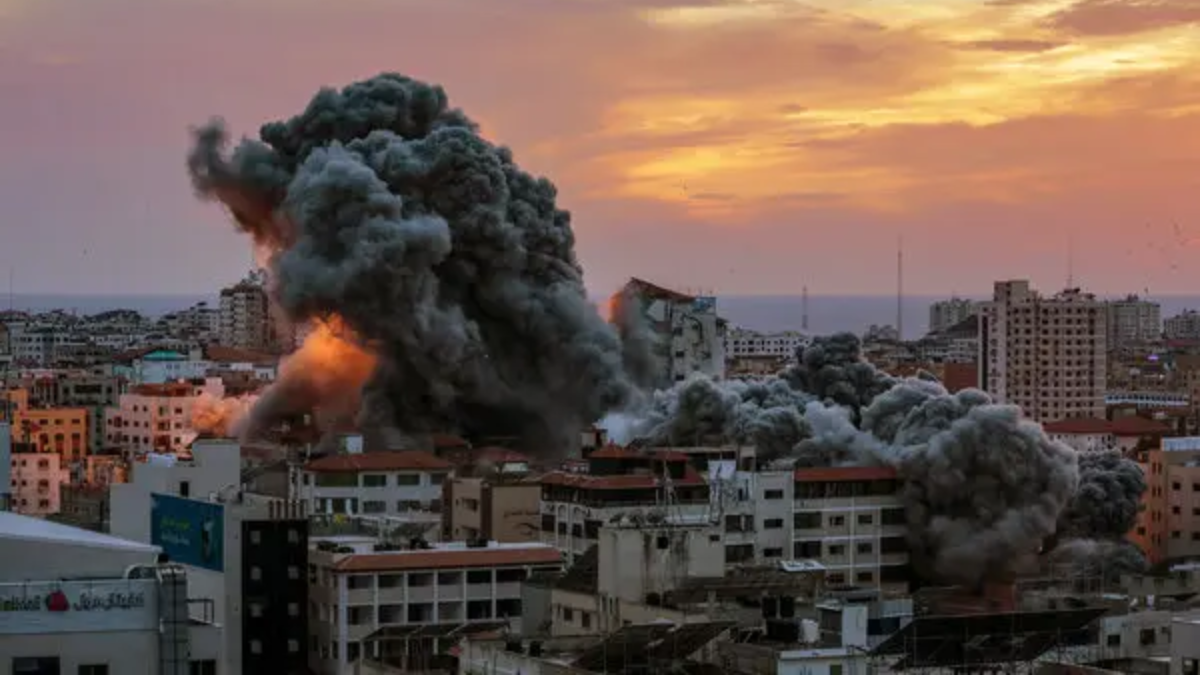
In the aftermath of the gruesome attack, India initiated Operation Sindoor, a series of raids on terror facilities in Pakistan and Pakistan-occupied Kashmir (PoK).
The mention of TRF in the UN report undermines Pakistan's time-honored policy of denial and prevarication. The government of Islamabad has repeatedly tried to water down mentions of its terror surrogates by assigning innocent-sounding acronyms such as "The Resistance Front" or "People Against Fascist Front" to cover up their actual affiliations with outfits such as LeT and Jaish-e-Mohammed (JeM) so that the Kashmir militancy is made out to be a homegrown rebellion instead of cross-border terrorism.
Pakistan's foreign minister had earlier boasted a diplomatic triumph by stating that he managed to ensure TRF's name did not appear in official UN documents. However, the UN report demies this assertion and restores TRF's involvement in the attack.
"Pakistan's policy of plausible deniability — employing secular and contemporary names such as 'The Resistance Front' and 'People Against Fascist Front' for its surrogates to deflect attention from LeT/JeM and provide an indigenous face to its terrorism in Jammu & Kashmir — now stands deflated," Indian diplomatic sources observed.
New Delhi views TRF's mention in the Monitoring Team's report as a significant diplomatic achievement. Contrary to open press releases, Monitoring Team (MT) reports are endorsed by consensus among all UNSC member states and are considerably less politically manipulable.
This is not only TRF's first mention in a UN-approved report but also the first reappearance of LeT-related terrorism activity in UN records since 2019.
On July 17, the United States formally designated TRF as a Foreign Terrorist Organization (FTO) and listed it in its Specially Designated Global Terrorist (SDGT) list, invoking the group's apparent operational connections with LeT. The U.S. State Department action further vindicated India's stance on TRF's real nature.
Referring to the Lok Sabha on July 28, External Affairs Minister S. Jaishankar remembered how Pakistan had tried to defend TRF at UN Security Council discussions on April 25. "When the Security Council was discussing this on April 25, and TRF had taken responsibility for the Pahalgam attack twice, Pakistan defended the TRF. Pakistan tried to have any reference to TRF removed, and actually, the Pakistani Foreign Minister informed his Parliament that it is a big diplomatic success. Now, I speak about it because today, once again, due to our diplomacy, the TRF has been declared a global terrorist organisation by the US government, and the same Pakistani Foreign Minister, who was taking so much pride in saying 'I defended the TRF', says well, 'now if the US has done it, we accept it,'" Jaishankar said.
The minister also referred to another diplomatic achievement — the extradition of Tahawwur Rana, an American national wanted for the 2008 Mumbai attacks. "People asked where our diplomacy was. I say Rana is in Indian custody because of that diplomacy," he said in Parliament.
Aside from India's direct interests, the Monitoring Team report of the UN also gave a renewed evaluation of the threats of terrorism in the world. It pointed out the increasing threat posed by ISIL-Khorasan (ISIL-K), which has an estimated 2,000 fighters and is widening its reach in Afghanistan and surrounding regions. The report also disclosed that ISIL-K is recruiting children aged 14 and conducting suicide attack training camps.
Another major threat is posed by Tehrik-i-Taliban Pakistan (TTP), estimated to have around 6,000 fighters and reportedly being supported by elements of Afghanistan. A number of UN member states have reportedly stated that TTP has tactical relations with ISIL-K, and this has raised concerns over cross-border coordination between extremist networks.
Read also| Operation Sindoor Strikes Sent Clear Message to Pakistan, says Army chief Upendra Dwivedi