

Trump administration's decision to levy steeper 50 per cent tariffs on Indian products has come into effect from Wednesday, a move that risks rendering the export of many low-margin, labour-intensive goods — such as textiles, clothing, jewellery, shrimp, rugs, and furniture — uncompetitive in the US market. This step could jeopardize thousands of low-skilled jobs in India.
Trade analysts forecast a drastic reduction in India's exports to the US after the new tariff regime implemented under Donald Trump's government. India's merchandise exports to the US, as per estimates, may reduce by up to 40–45% in FY2025-26 from the previous year. Research group Global Trade Research Initiative (GTRI) estimates that exports will contract to around $49.6 billion from close to $87 billion in FY2024-25, with almost two-thirds of the shipments by value coming under the higher 50% duty. Effective tariff rates can go even higher than 60% in certain product groups.
About 30% of India's US exports — valued at $27.6 billion during the last fiscal year — won't be impacted since key industries such as pharmaceuticals, electronics, and petroleum products are exempted from the tariff increases. Another 4% of cargo, mostly auto parts, will be charged a 25% duty instead.
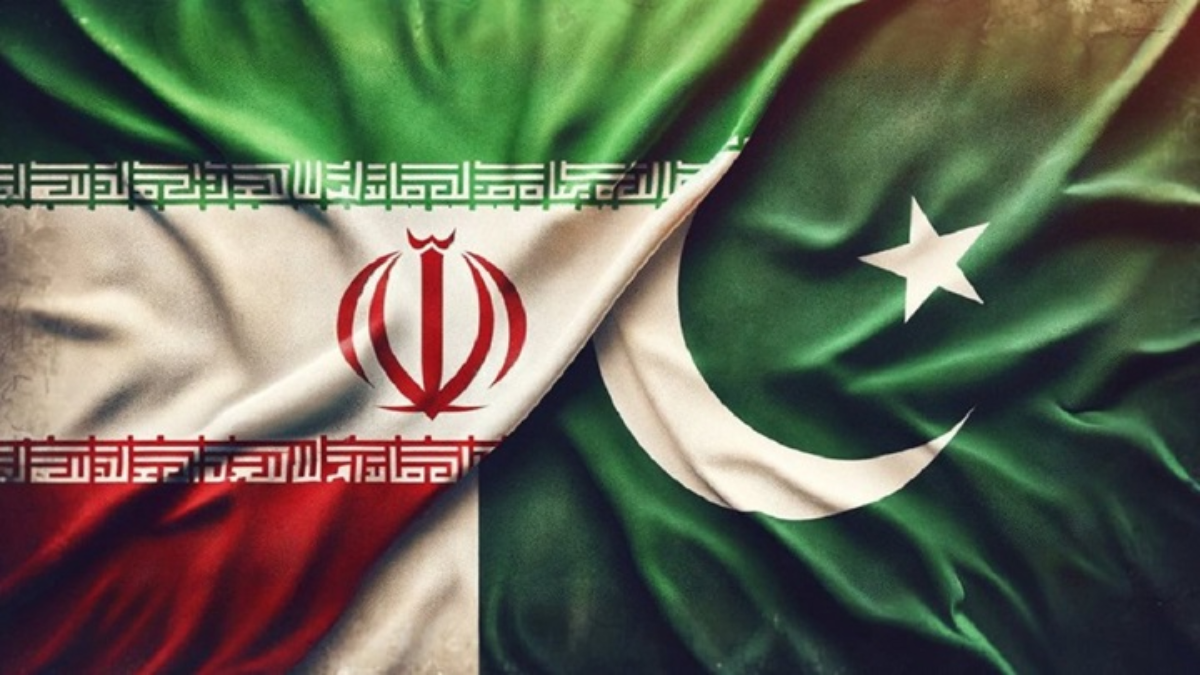
Meanwhile, competitors like Vietnam, Bangladesh, Cambodia, Pakistan, and even China would benefit from India's failure, as they now enjoy much lower tariff barriers from the US.
The latest 50% tariff on Indian exports combines two separate measures announced earlier this year — a 25% levy declared in late July and an additional 25% “penalty” announced in early August, which Washington linked to New Delhi’s oil purchases and defence imports from Russia. The penalty duties take effect this week.
These protectionist policies will present a great challenge to India, considering the fact that the US is among the only nations where New Delhi has a trade surplus. India has trade deficits with other key partners like China, Russia, and the UAE. The US market represents approximately one-fifth of India's merchandise exports and almost 2% of its GDP. With industries such as textiles and jewellery depending majorly on American customers, industry associations are urging the government to continue pandemic support to avoid mass redundancies.
The hardest hit industries are likely to be textiles and apparel, gems and jewellery, shrimp, machinery and electrical appliances, metals like steel and aluminium, organic chemicals, processed foods, leather products, footwear, handicrafts, furniture, and carpets.
Industry leaders caution that sectors with high reliance on US sales — such as diamond polishing, marine products, and home furnishings — may incur heavy losses. For shrimp exports, close to half the revenues originate from the US, while home textiles and carpets get around 60% and 50% of their foreign sales, respectively, from the US market, estimates Crisil.
Earlier this month, Crisil Ratings warned that the tariffs will have a cascading effect on the profitability of sectors like diamond polishing, shrimp, home textiles, and carpets, due not only to increased duties but also due to a "structural shift in demand in the US, with lower discretionary spending fueled by inflation expectations."
Adding to unease, US Nobel economist Paul Krugman wrote on August 8 in a Substack article that US economic signals are becoming progressively "stagflationary." He also added that "there is near universal agreement among economists that tariffs are inflationary, and that the only holdouts are economists working, directly or in effect, for the Trump administration."
“While 30% of (India’s US) exports will remain duty-free and 4% will face a 25% tariff, the bulk—66% covering apparel, textiles, gems & jewellery, shrimp, carpets, and furniture—will be hit with a 50% tariff, rendering them uncompetitive. Exports from these sectors could plunge 70%, dropping to $18.6 billion, causing an overall 43% decline in shipments to the US and endangering hundreds of thousands of jobs,” GTRI said in a recent report.
As anxieties rise about the spillover effect of Washington's sharp tariff increases, India's most sensitive export industries — apparel, textiles, gems and jewelry, shrimp, carpets, and furniture — are seeking relief from New Delhi on an emergency basis. Exporters cautions that unless helped promptly by the government, Trump's tariff action may unleash general distress in sectors that offer millions of employment.
One of the worst affected is the gems and jewellery industry, which depends greatly on the US as its biggest buyer. The Gem and Jewellery Export Promotion Council (GJEPC) warned that a 50% duty would render Indian shipments unfeasible, resulting in mass-scale employment losses and economic upsets. The council stated the effect would be across the economy, "disrupting vital supply chains, halting exports and jeopardising thousands of jobs." The US alone supports more than $10 billion of India's jewellery exports, almost 30% of the industry's overall global trade.
In reply, exporters have requested the government to implement a sector-specific relief mechanism — such as a reimbursement or duty drawback scheme — which would compensate 25–50% of the new US duties on gems and jewellery between August and December 2025.
Another labour-intensive sector, the textile industry too has raised alarm. Members have requested urgent financial relief, such as cash infusion and moratorium on loan repayment, to cushion the blow of 50% tariffs. In a recent meeting with the Ministry of Textiles, industry captains also urged the government to push for concluding a free trade agreement (FTA) with the European Union at the earliest, which would offset lost competitiveness in the US market.
However, not all Indian exports to the US are in the crosshairs. Based on estimates from the Global Trade Research Initiative (GTRI), about 30% of shipments — $27.6 billion worth in FY25 — will still be exempt from tariffs. Pharmaceuticals lead the count, with exports of around $12.7 billion, followed by electronics and petroleum products.
But these exemptions are uncertain. Trump has already threatened to move production back to the US or face up to 200% tariffs within two years. Electronics, which accounted for $10.6 billion in exports last year, also have threats looming, with the previous president focusing specifically on Apple for possible tariffs if the company continues to produce in India. These exports now comprise smartphones, switch equipment, integrated circuits, chips, wafers, and solid-state storage devices.
Other groups exempted from the increase in tariffs are refined petroleum fuels ($4.1 billion in FY25), in addition to books, brochures, plastics, cellulose ethers, ferroalloys, and computing equipment like motherboards and rack servers. Some metals and raw materials — such as unwrought antimony, nickel, zinc, chromium, tungsten, platinum, palladium, gold dore, gold coins, natural rubber, coral, echinoderms, and cuttlebone — are also exempted.
Read also| US Says It Remains Committed to Collaborate with India in Energy Sector
Read also| India Expects SCO Summit to Strongly Condemn Cross-Border Terror: MEA