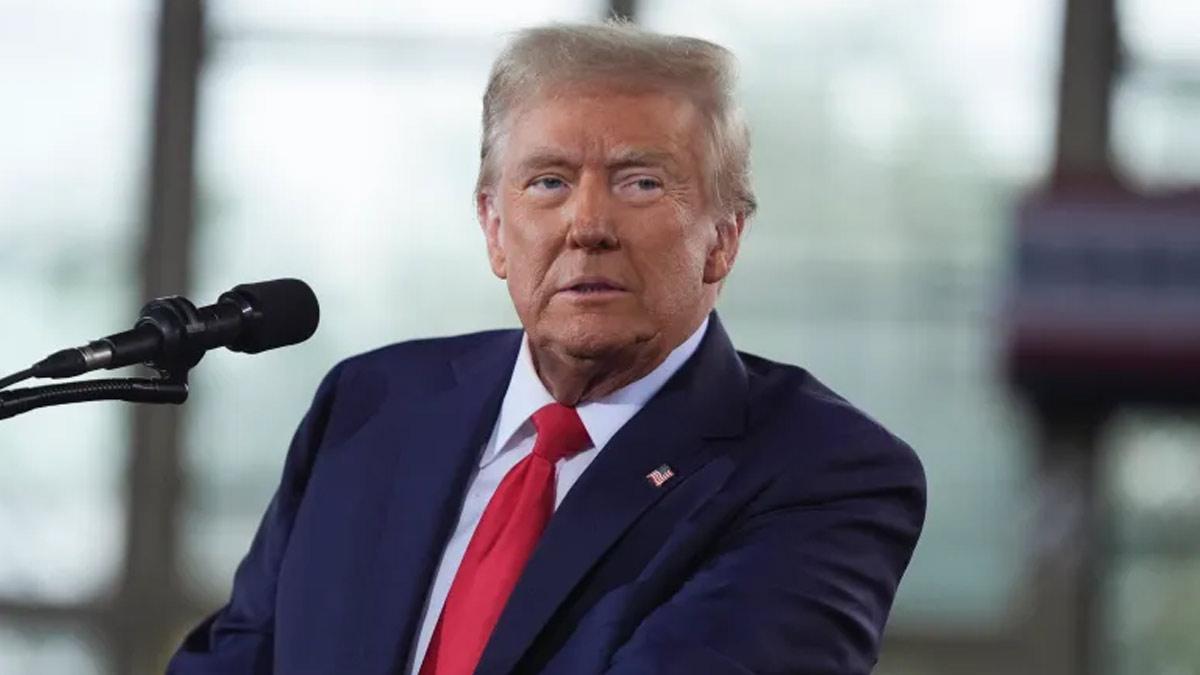


With the important holiday shopping season right around the corner for U.S. retailers, President Donald Trump announced another 90 days of the tariff truce with China on Monday from a White House official.
This postpones the increase of considerable tariffs on Chinese imports at the moment retailers are preparing for the important shopping season.
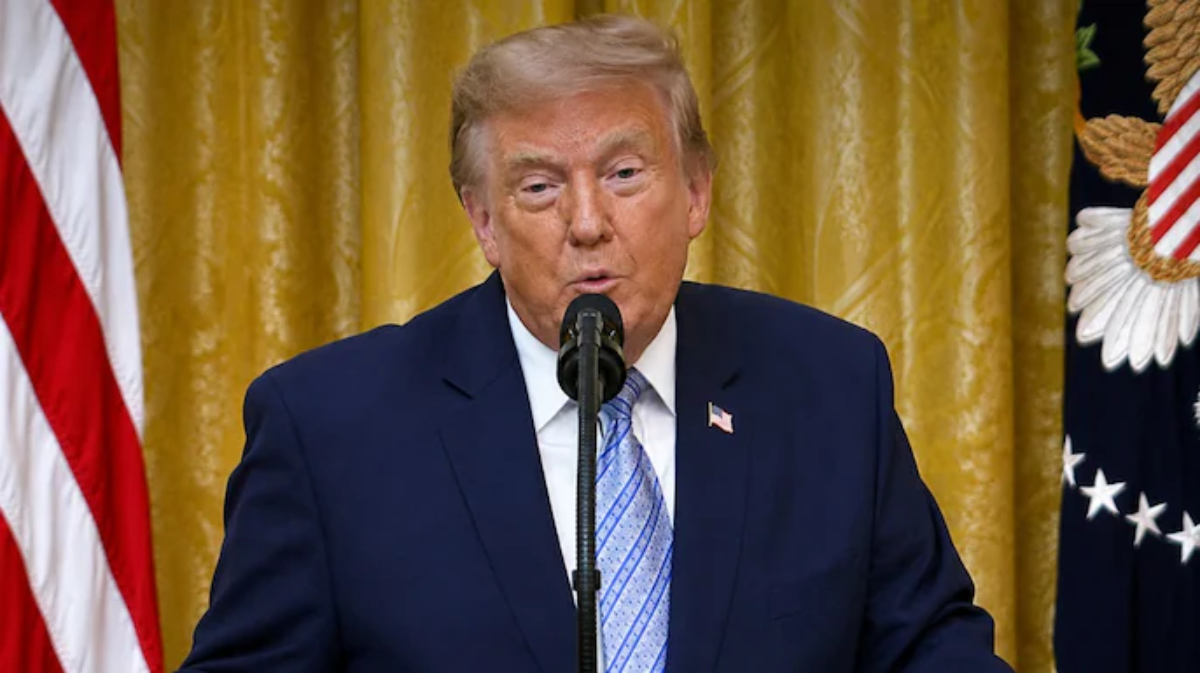
Shortly after answering a question at a press conference with a ambiguous answer about keeping tariffs lower, he signed an executive order postponing the increase of tariffs until November, in which these lower tariffs originally were going to increase.
According to Trump, China was presed to quadruple their purchases of U.S. soybeans. It is not clear whether China agreed with this demand. The tariff delegations were schedule to be completed on Tuesday around midnight (00:01 ET / 04:01 GMT). Extending the truce into early November gives essential time for essential and vital import surge of electronics, clothing, and toys into U.S. markets at the lower statutory rates still prior to Christmas.
The new order prevents U.S. tariffs on Chinese products from reaching 145%. China tariffs on products from the U.S. were slated to increase to 125%. The tariffs would have created a commercial blockade for both countries. Instead, a 30% tariff on imports from China, and China keeping its tariffs on goods from the U.S. at 10%.
"We'll see what happens," Trump told a news conference earlier on Monday, highlighting what he called his good relationship with Chinese President Xi Jinping.
"It's positive news. Combined with some of the de-escalatory steps both the United States and China have taken in recent weeks, it demonstrated that both sides are trying to see if they can reach some kind of a deal that would lay the groundwork for a Xi-Trump meeting this fall," said Wendy Cutler, a former senior U.S. trade official who is now a vice president at the Asia Society Policy Institute. Trump told CNBC last week that the U.S. and China were getting very close to a trade agreement and he would meet with Xi before the end of the year if a deal was struck.In May, the U.S. and China announced a temporary truce in their trade war after discussing in Geneva, Switzerland, and agreeing to a 90-day truce period to discuss and negotiate. They met in Stockholm, Sweden, in late July, and following that meeting, U.S. negotiators suggested that President Trump extend the 90-day period.
Treasury Secretary Scott Bessent has long stated that the triple-digit tariffs were, for all practical purposes, unsustainable, and accomplished the goal of a trade embargo on the world’s two largest economies.
"It wouldn’t be a Trump-style negotiation if it didn’t go right down to the wire," said Kelly Ann Shaw, a senior White House trade official during Trump's first term and now with law firm Akin Gump Strauss Hauer & Feld. She said Trump had likely pressed China for further concessions before agreeing to the extension.
Trump called on China to increase its soybean purchases four-fold on Sunday, but economists were doubtful he could claim in 90 days that there was an agreement in principle. He did not repeat that demand on Monday. Shaw said, "All that the original 90-day pause was trying to accomplish was to open the door to broader negotiations, and so there was conversation over the past weekend on a number of different things - soybeans, export controls, excess capacity."
Ryan Majerus, a former U.S. trade official, now with the King & Spalding law firm, commented that the extension would give both sides another chance to work on long-standing trade issues.
“This will undoubtedly lower anxiety on both sides as talks continue, and as the U.S. and China work toward a framework deal in the fall," he said.
Earlier this year, imports from China increased quickly as companies rushed in as they feared that President Trump would impose tariffs. However, data from the Commerce Department showed in June, that the U.S. trade deficit with China decreased by one-third to $9.5 billion—the smallest it has been since February 2004. Over five consecutive months of decline, the trade gap with China has decreased by $22.2 billion, which is a 70% decline from a year ago.
There was no immediate official announcement about the tariff extension and the Treasury Department and the U.S. Trade Representative's Office both declined comment.
In addition, Washington has also been urging Beijing to stop its purchases of Russian oil, with Trump warning of secondary tariffs placed on China if they continue to buy from Russia.
Read also| PM Modi tells Zelenskyy India supports peaceful resolution of Russia-Ukraine conflict