

As fighting between the United States and Iran intensified across West Asia, reports on Monday suggested Russia had moved to reinforce its support for Tehran by dispatching one of its most advanced airborne command aircraft to the Iranian capital, fuelling speculation that the conflict may be entering a more perilous phase.
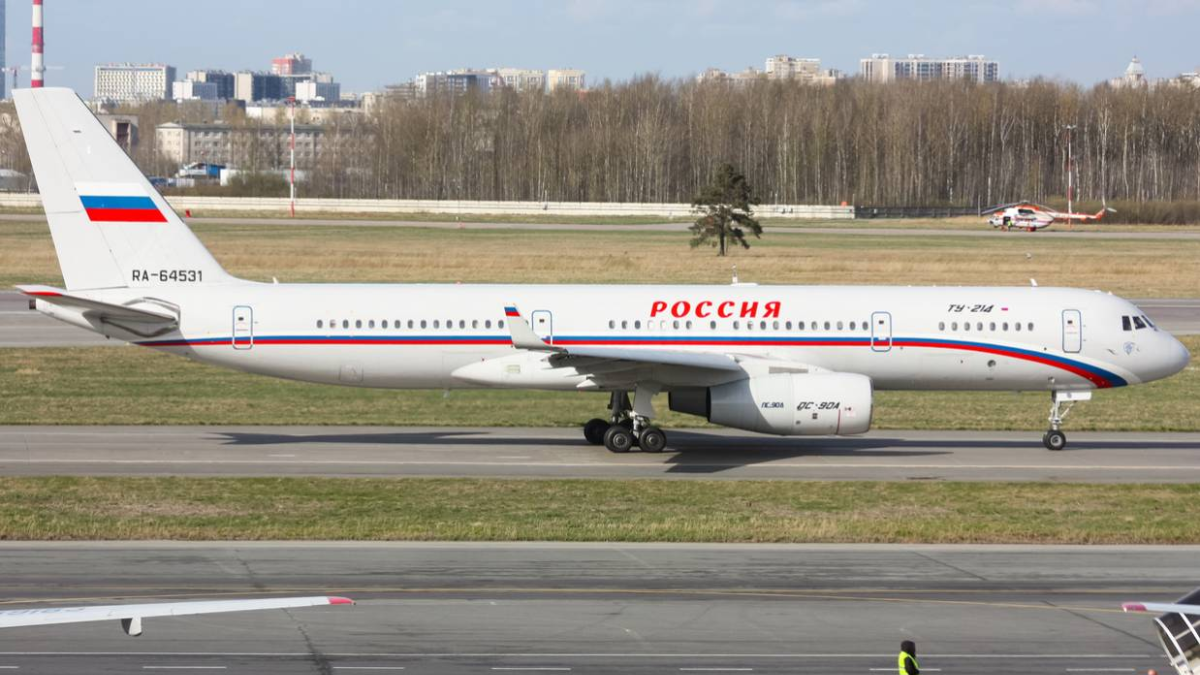
The aircraft identified in the reports is the Tu-214PU, a specialised Russian airborne command-and-control platform built for strategic crisis management. Frequently described as Moscow's counterpart to the United States' presidential command aircraft, it is designed to enable senior leadership to coordinate national operations during emergencies.
Its reported arrival in Tehran comes against the backdrop of continued hostilities involving Iran, the United States and Israel. Although US President Donald Trump announced a ceasefire in June, military action resumed last week after attacks on ships in the Strait of Hormuz.
The reported deployment has also been interpreted as another sign of the increasingly close strategic partnership between Moscow and Tehran. The appearance of the aircraft during a period of renewed military confrontation is widely viewed as reflecting ongoing cooperation between the two countries amid growing regional instability.
Known by the nickname "doomsday plane," the Tu-214PU is a dedicated airborne command-post variant of the Tupolev Tu-214. Developed for Russia's presidential and strategic aviation fleet, it is equipped with sophisticated communications and command systems that allow senior government officials to continue carrying out state functions while in the air. The designation "PU" refers to the Russian concept of a flying "control post" or command post rather than a standard passenger aircraft.
While it is derived from the civilian Tu-214 airliner, the aircraft has undergone extensive modifications to its avionics and internal configuration to support secure command-and-control operations.
Its primary role is to function as an airborne command centre for Russia's top leadership. Equipped with specialised radio and communications technology, the aircraft is intended to support presidential travel and official government responsibilities whenever necessary.
Available information indicates the Tu-214PU has a cruising speed of approximately 850 km/h and a range of around 6,500 kilometres in one cited configuration. Considered Russia's narrow-body equivalent of a VIP command aircraft, it allows the country's leadership to remain connected and operational while airborne. More advanced military versions, including the Tu-214PU-SBUS, are fitted with enhanced communications capabilities.
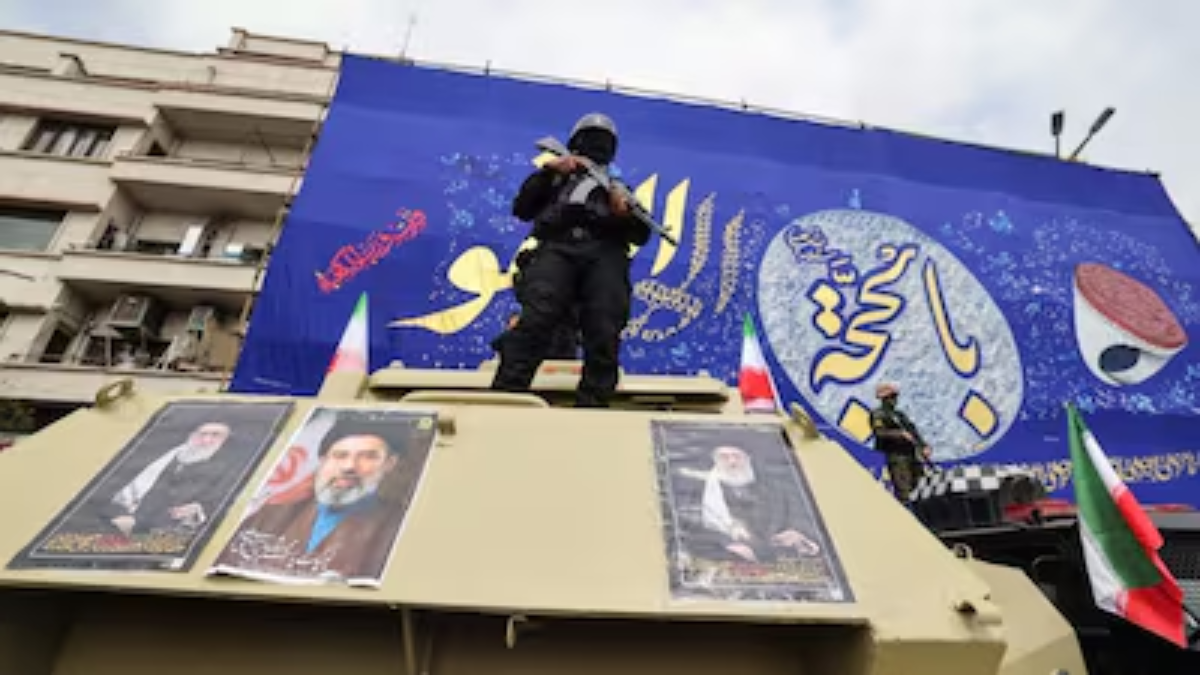
The aircraft's reported arrival coincides with a fresh escalation in West Asia. On Monday, Iran's Islamic Revolutionary Guard Corps (IRGC) claimed it had "completely destroyed" fuel tanks and Patriot air defence systems at Ali Al-Salem Air Base, along with a strategic FPS radar system at Ahmed Al-Jaber Air Base in Kuwait, a key US ally in the Gulf.
Russia's decision to send the aircraft is being interpreted as a signal to Washington and regional governments that Moscow remains firmly aligned with Tehran and is prepared to assist with high-level coordination. That support could include intelligence sharing, diplomatic backing, military consultation or contingency planning.
According to the IRGC, the attacks formed part of the third phase of its "eye-for-an-eye" campaign against Washington. The organisation said its aerospace forces launched the strikes in retaliation for US military action against Iran and warned that operations were continuing, according to Al Jazeera.
Earlier on Monday, the IRGC also said it had struck helicopter maintenance facilities, a hangar housing a P-8 aircraft and a US military drone command-and-control centre at the Sheikh Isa Air Base in Bahrain during the second phase of its retaliatory operation.
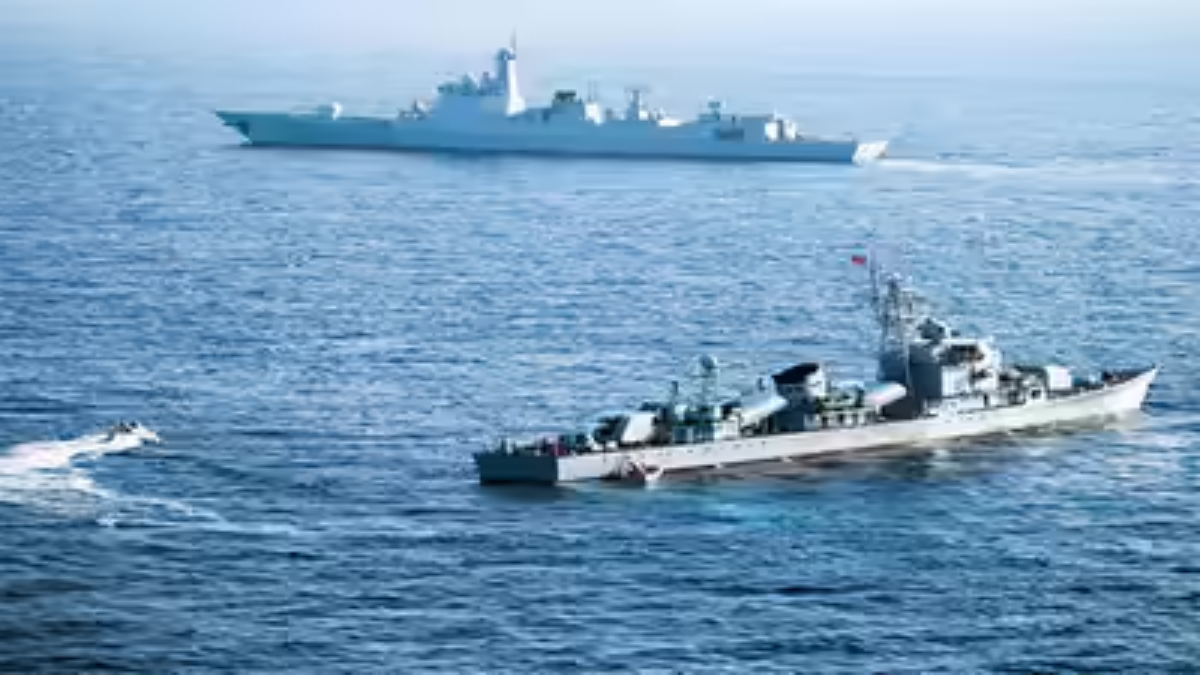
US Central Command (CENTCOM) said its latest military action followed attacks on vessels passing through the Strait of Hormuz. According to the US military, the objective of the strikes was to "continue degrading their ability to attack civilian mariners and commercial ships" operating in the strategic waterway.
In a post on X, CENTCOM said US forces had begun launching additional strikes against Iran at 5 p.m. ET on Monday under orders from the Commander in Chief.
Also Read | Iran's 'Revenge List': Meloni, Trump, Netanyahu Among 13 World Leaders Named
Also Read | US revives Russia sanctions push, putting India under renewed 500% tariff threat