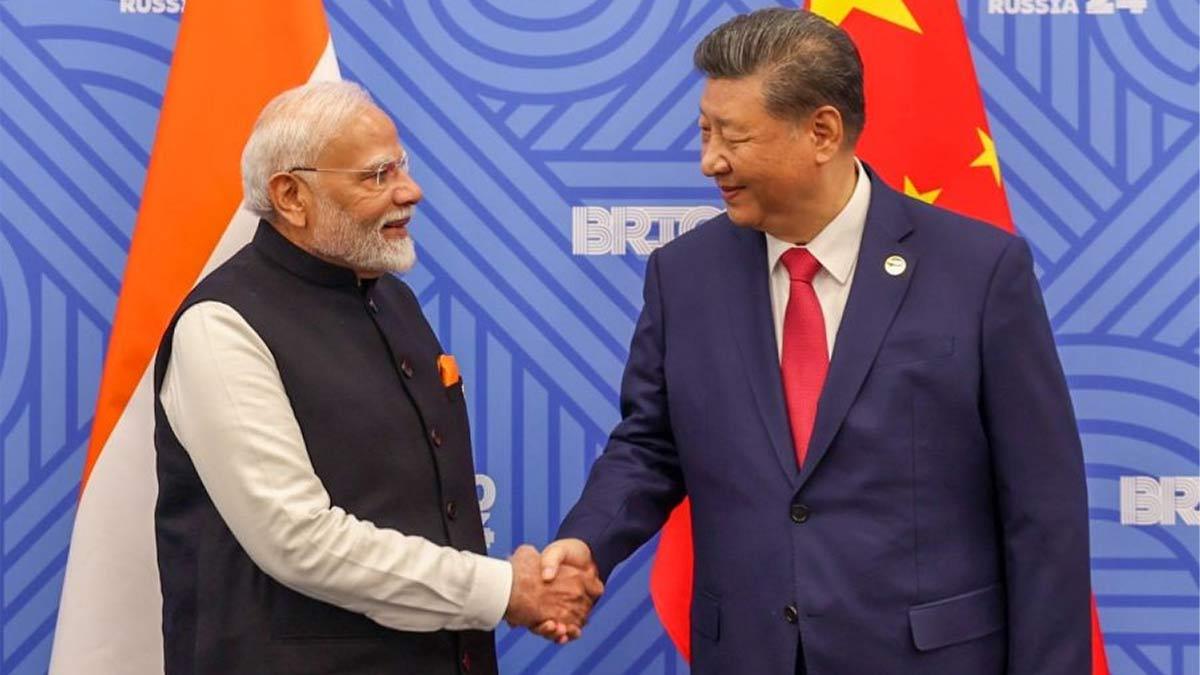


China has pledged to India its support in fighting terrorism during bilateral talks between Prime Minister Narendra Modi and Chinese President Xi Jinping, the Ministry of External Affairs stated today.
In addition to this assurance, the two leaders have also addressed initiatives aimed at increasing trade, improving border stability, and fostering closer people-to-people ties, even as India maintains its trade-related confrontation with the United States.
"All I will say without going into specifics is the issue was discussed, raised by the Prime Minister. He outlined his understanding very crisply and specifically. He outlined the fact that this is the scourge that India and China are both victims of," foreign secretary Vikram Misri told reporters.
"He asked for China's support on this issue -- the Chinese have expressed their support," he said.
"The Prime Minister did mention cross-border terrorism as a priority. He underlined the fact that this is something that affects both India and China, and therefore it is important that we give understanding and support to each other as we both combat cross-border terrorism," Mr Misri said.
"I would actually like to say that there has been a lot of understanding and cooperation from the Chinese side on this issue. We have dealt with the issue of cross-border terrorism in the context of the ongoing SCO summit," he added.
Pakistan's longtime ally China had earlier sidestepped the mention of Pahalgam in the joint statement at the SCO summit in June, which led to India's refusal to sign. Instead of mentioning the April 22 terrorist attack in Pahalgam, the statement made references to attacks in Balochistan, indirectly pointing fingers at India's involvement.
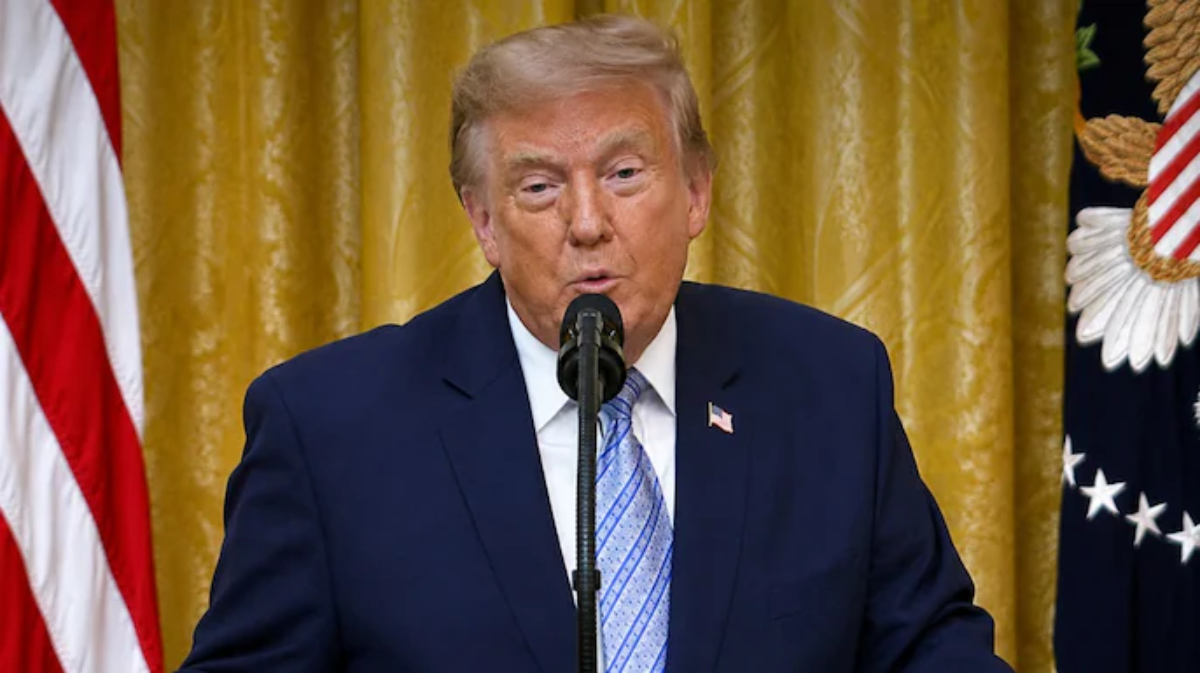
But since US President Donald Trump declared India a 50 per cent tariff — divided into a 25 per cent mutuality duty and 25 per cent penalty for importing Russian oil — New Delhi and Beijing have reset their strategy. The two Asian giants, traditionally referred to as the dragon and the elephant, seem to be walking together in increasing cohesion.
The Ministry of External Affairs told today that the Prime Minister Modi highlighted the fact that both India and China prioritize strategic autonomy, underscoring that their relations should not be seen in a "third country lens."
Prime Minister Narendra Modi and Chinese President Xi Jinping agreed on increasing commonalities on bilateral, regional, and global issues, such as the confrontation with terrorism, the Ministry of External Affairs said.
For Beijing, the threat of Islamic extremism remains ever-present in East Turkistan Xinjiang, with Chinese leaders time and again referring to such groups in official reports as terror forces.
The threat has also increased for mainland Chinese citizens overseas as the international footprint of the country increases, triggering a progressive change in China's historically conservative approach towards terrorism.
At the Shanghai Cooperation Organisation Summit tomorrow, Prime Minister Modi is expected to meet Pakistan’s Prime Minister Shahbaz Sharif for the first time since the Pahalgam terror attack and Operation Sindoor.
This will also mark PM Modi’s first physical presence at the SCO Summit in three years. While India hosted the event in 2023 virtually, he did not attend the 2024 summit held in Kazakhstan.
Read also| PM Modi’s Gesture Triggers Surge in Japanese Investment in India