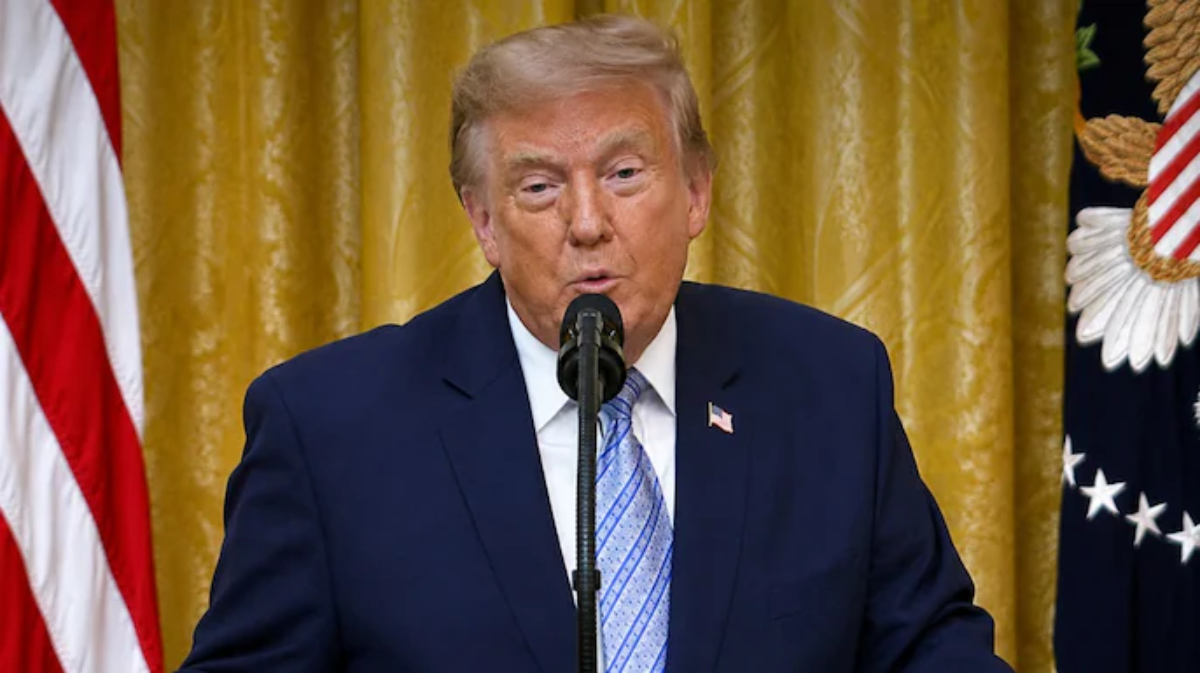
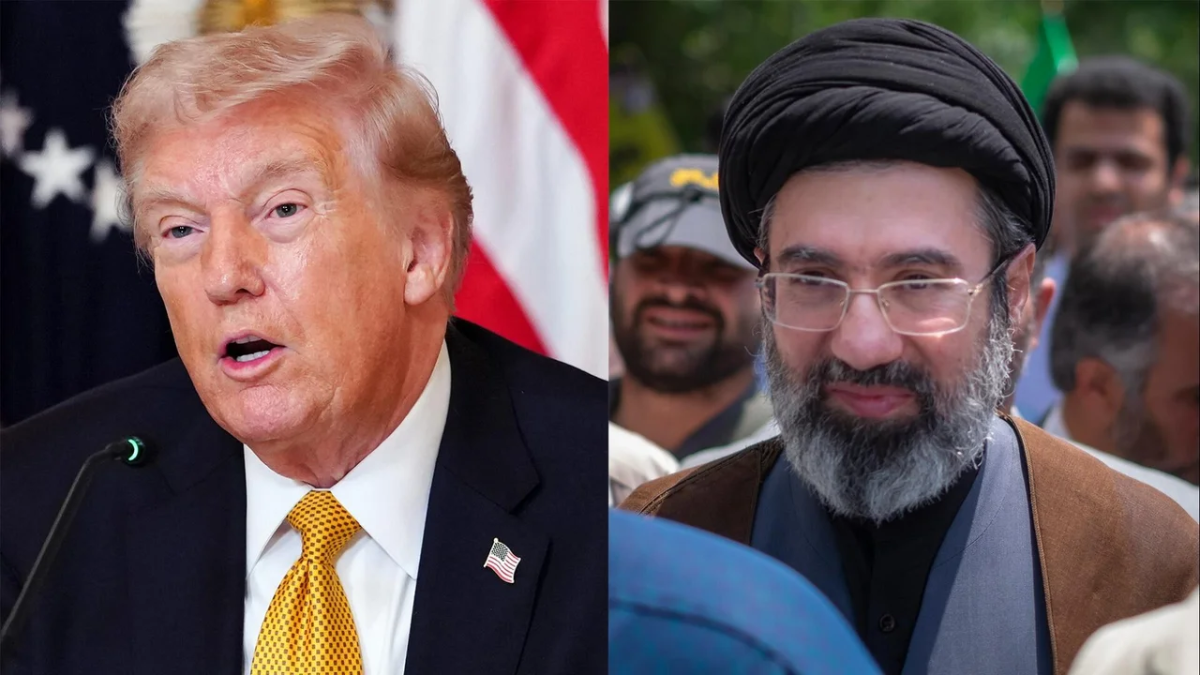


US President Donald Trump has asserted that Iran's military strength has been severely diminished following recent US-Israeli operations, claiming the Islamic republic has lost both its armed capabilities and senior military leadership. He also said Iran's supreme leader, Mojtaba Khamenei, who has not appeared publicly since the funeral of his father, the late Ayatollah Ali Khamenei, last week, was "90 per cent gone."
Speaking during an interview with Fox News, Trump said Iran's military infrastructure had been effectively destroyed.
"They have no navy, they have no air force, it's all gone. Their anti-aircraft is gone, their leaders have all been killed, their best leaders have been killed," Trump said.
The US president went on to claim that Iran's top leadership had been wiped out during the conflict. "They're gone. Khomeini is gone," the president said, using the name of the late Iranian revolutionary leader who died in 1989, while apparently referring to Ali Khamenei, who was killed on the first day of the war on February 28.
"His son is 90 per cent gone," he added.
Mojtaba Khamenei has not been seen in public since February 28, when he was injured in the same US and Israeli strikes that also killed his father. His continued absence has fuelled widespread speculation over his condition and whereabouts.
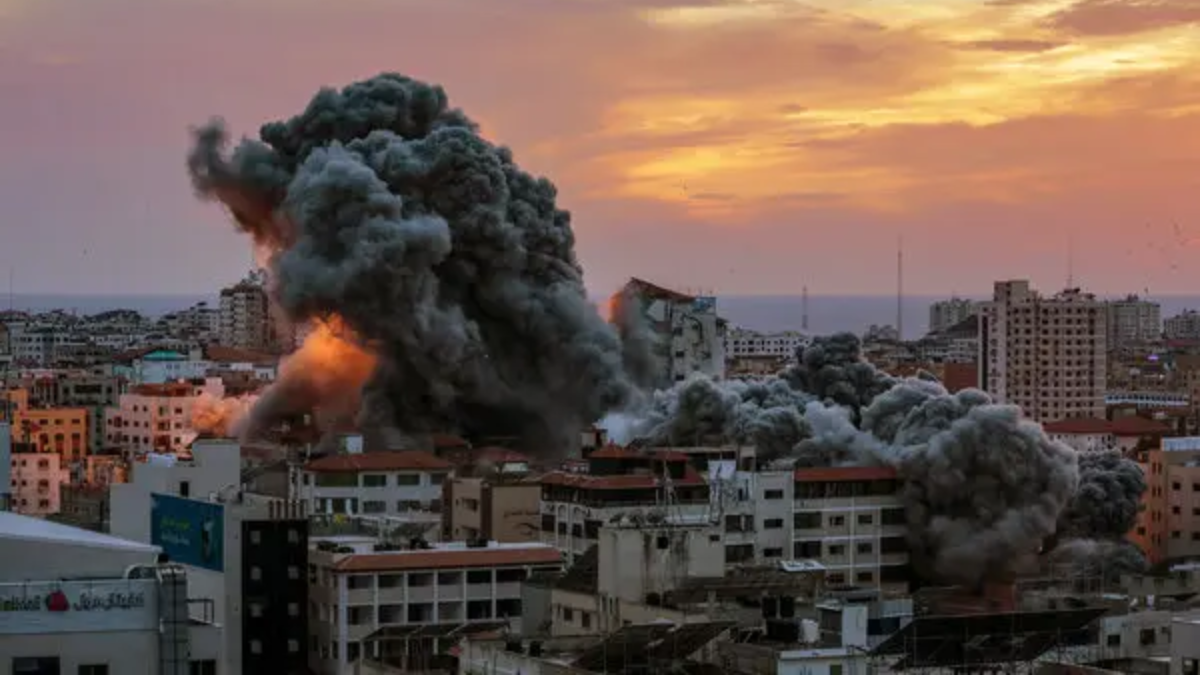
Trump's comments came amid a renewed escalation in hostilities between Washington and Tehran after months of ceasefire. The US president has formally informed Congress that military operations against Iran resumed last week, following his order authorising multiple waves of strikes on Iranian targets.
He also indicated a significant policy shift by suggesting that the United States would begin charging vessels from other countries for safe passage, reversing a long-standing American position in favour of unrestricted freedom of navigation.
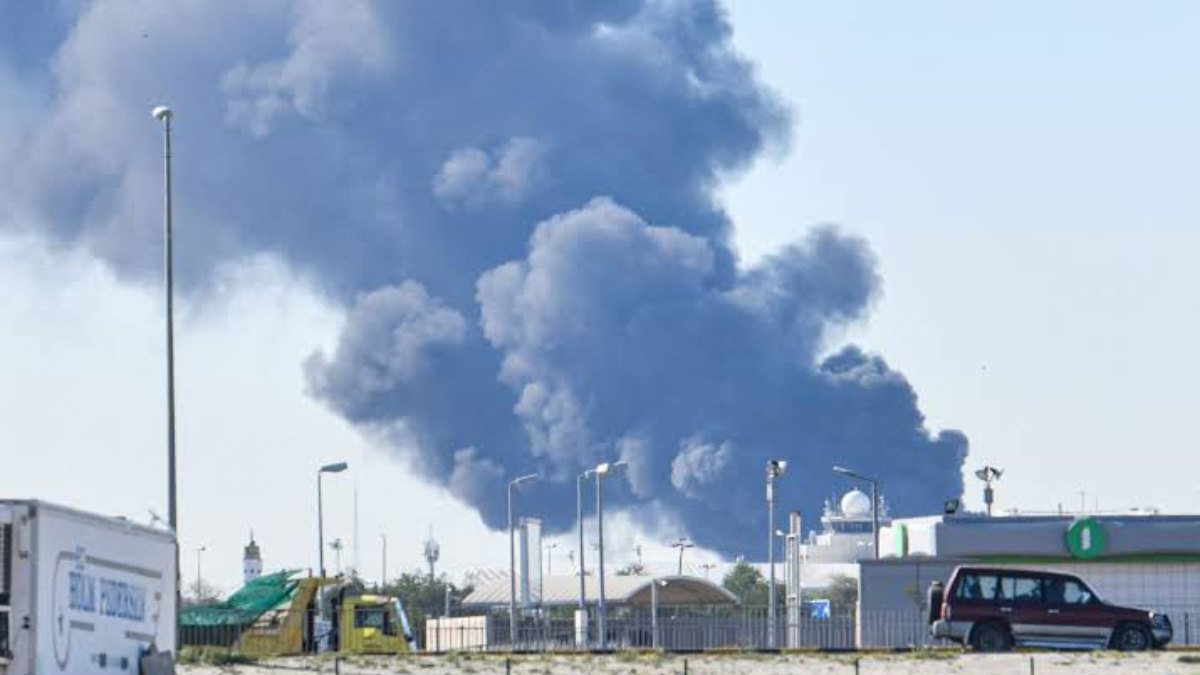
Iran responded by launching attacks on Bahrain and targeting two tankers linked to the United Arab Emirates as they transited the Strait of Hormuz. The strikes killed one mariner of Indian origin and injured eight others. In response, the UAE warned of retaliatory action against Iran, raising the possibility that the Gulf nation centred around Abu Dhabi and Dubai could become directly involved in the conflict with Tehran.
The latest confrontation has unfolded as both Iran and the United States compete for control of the Strait of Hormuz, the strategically vital waterway through which one-fifth of the world's crude oil and natural gas supplies moved during peacetime.
Also Read | Watch | Iranian Cruise Strikes On UAE Tankers In Hormuz Kill Indian, Injure 6
Also Read | Watch | US Man Held Near Nepal Border Without Passport Claims Former Navy Service