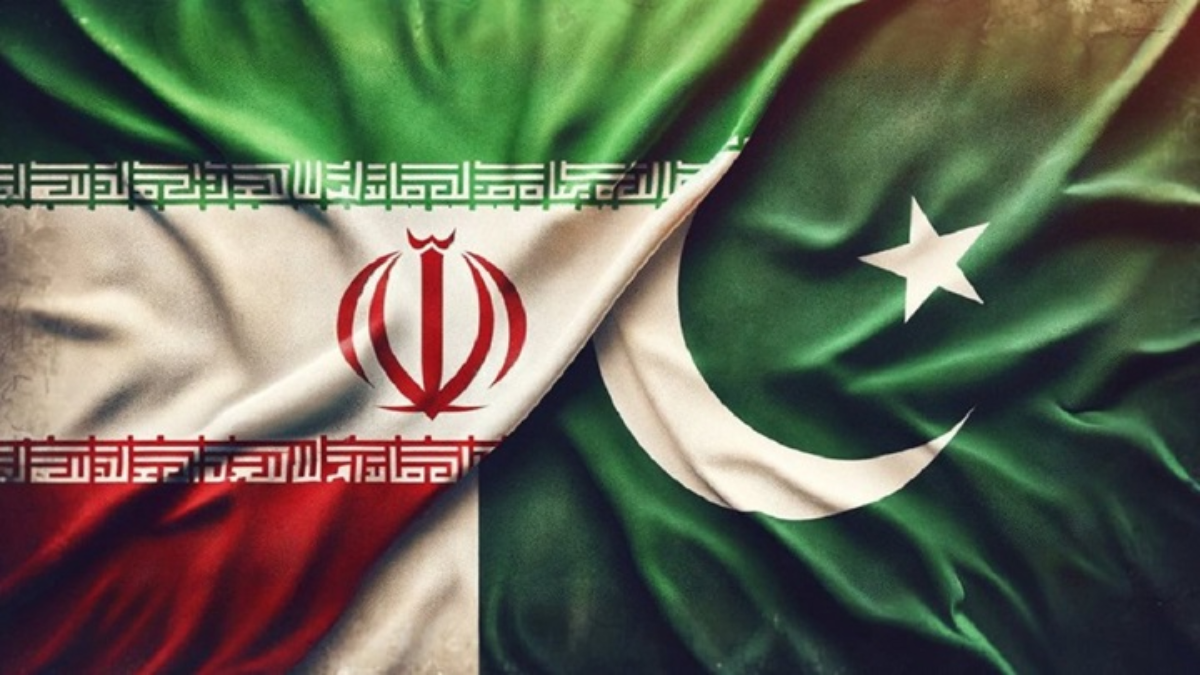
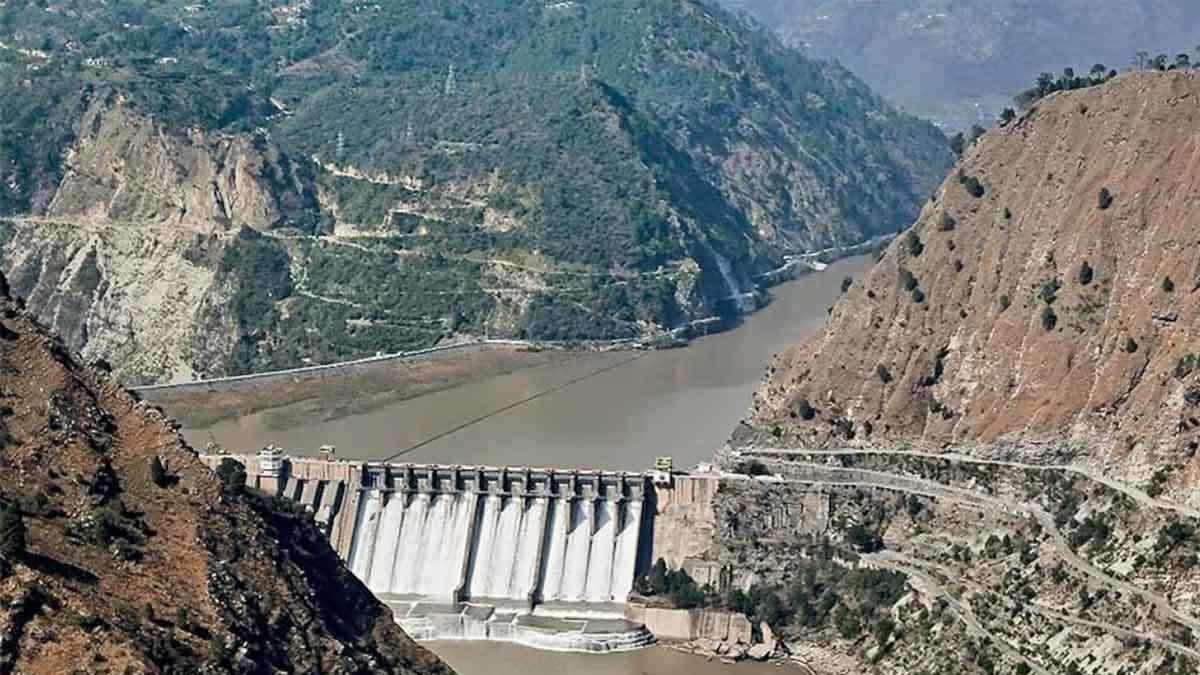


In light of the rising rhetoric and nuclear threats by high-ranking officials in Pakistan, Pakistan has urged India to restore the normal functioning of the Indus Water Treaty, which has been affected by India's suspension since May, following the terrorist attacks in Pahalgam in Jammu and Kashmir.
Pakistan's Foreign Office stressed full adherence to the Indus treaty and was pleased with the most recent interpretation by the Court of Arbitration.
Pakistan's appeal comes just after a nuclear war warning from Pakistan's military chief Asim Munir, and statements by former Foreign Minister Bilawal Bhutto in reaction to India's assertion concerning the water-sharing agreement.
Pakistan's Foreign Office formally requested India on Monday to restore normal functioning under the Indus Waters Agreement; expressed its appreciation for the Court of Arbitration ruling dated August 8, 2023 and noted that the Award provided clarity regarding new run-of-river hydropower projects India has planned on the Western Rivers (Chenab, Jhelum, and Indus).
"We urge India to immediately resume the normal functioning of the Indus Waters Treaty, and fulfil its treaty obligations, wholly and faithfully," the Foreign Office said in a post on X.
"In a significant finding, the Court has declared that India shall 'let flow' the waters of the Western Rivers for Pakistan's unrestricted use. In that connection, the specified exceptions for generation of hydro-electric plants must conform strictly to the requirements laid down in the Treaty, rather than to what India might consider an 'ideal' or 'best practices' approach," it further quoted the Award as saying.
It is important to note that India has never recognized the proceedings at the Permanent Court of Arbitration as Pakistan had raised objections on specific design features of two projects, which are part of the Indus Waters Treaty.
Following the April 22 terror attack in Pahalgam, India was first forced to take several punitive actions against Pakistan, starting at long last with the putting "abeyance" on the Indus Waters Treaty of 1960. India charged Pakistan with providing refuge and backing to the terrorists that killed people there.
The treaty was facilitated by the World Bank in 1960 was somewhat lopsided to India when under the terms of the treaty, India was granted full rights to the waters of the Beas, Satlej, and Ravi rivers, while Pakistan got full rights to the Indus, Jhelum, and Chenab rivers.
Noticeably on Monday, Pakistani politician Bilawal Bhutto thought it was appropriate to issue a threat of war on India for abrogating the long standing Indus Water Treaty. He regarded that New Delhi’s actions had caused "great damage" to Pakistan, and that all Pakistanis need to "come together" against Modi.
"The actions of the Indian government, under the leadership of Narendra Modi, have caused great damage to Pakistan. It is necessary that we, as a united people, stand together against PM Modi and these aggressions...You people (Pakistanis) are strong enough for war to get back all six rivers. If India continues on this path, it leaves us with no choice except to consider all options, including the possibility of war, to protect our national interests," he said.
His warning followed one day after the military chief of Pakistan, Asim Munir, issued a nuclear threat saying that if Pakistan were to meet to have an existential threat in a future war with India, it would take half the world with it.
Read also| PM Modi tells Zelenskyy India supports peaceful resolution of Russia-Ukraine conflict