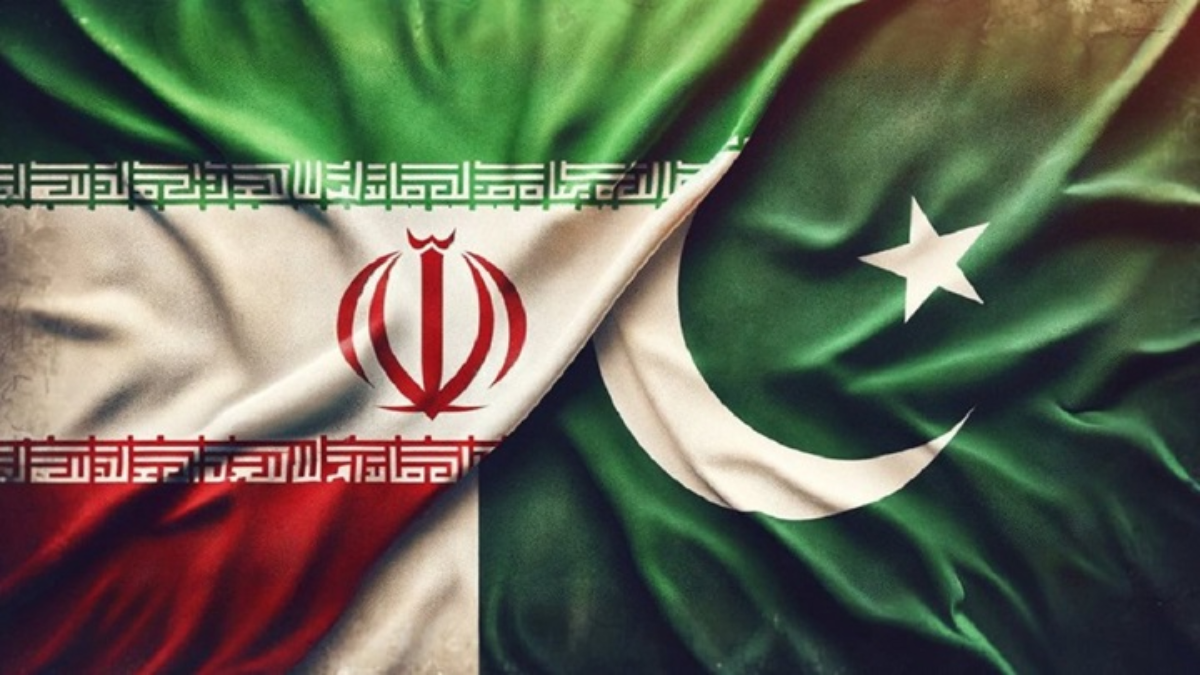
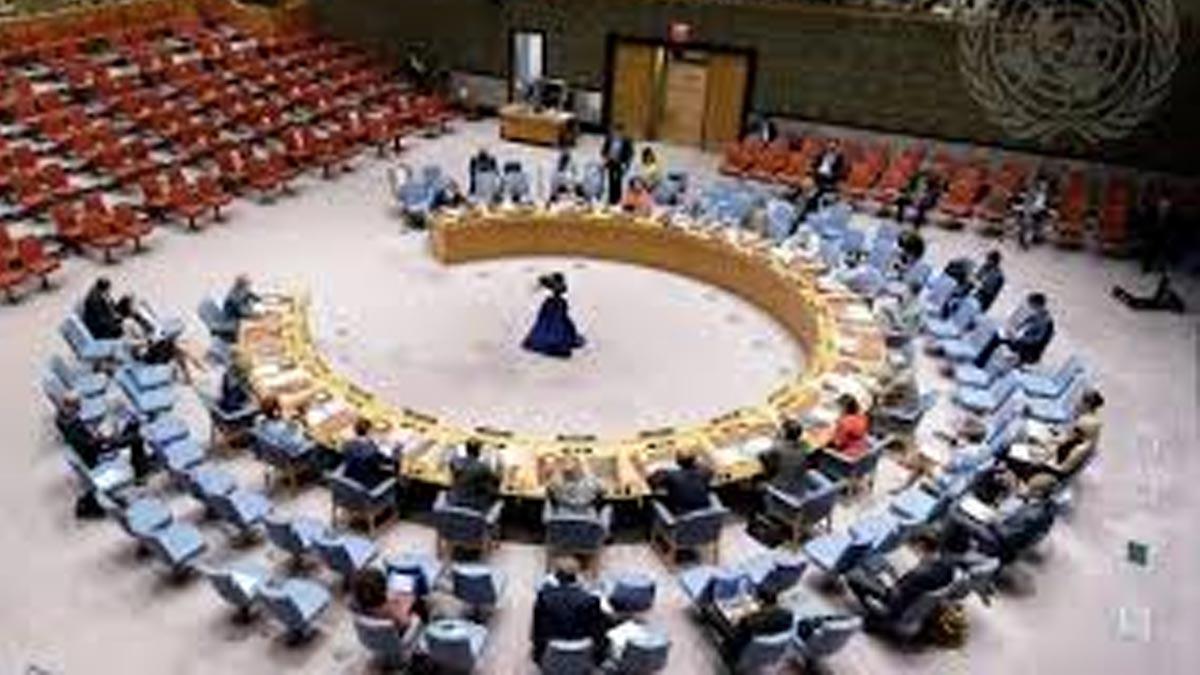


India issued a stinging indictment of Pakistan at the United Nations on Tuesday, noting the difference in development, governance, and global activity between the two countries.
Speaking to the UN Security Council, India's Permanent Representative, Ambassador Parvathaneni Harish, pointed out that while New Delhi continues to shine on security, social, and economic fronts, Islamabad is bogged down by terrorism, extremism, and serial financial dependence.
"India is a responsible player, and a United Nations founding member has always proactively engaged constructively with partners, particularly in the United Nations, in working together towards a more peaceful, prosperous, and a just and equitable world," said Mr. Harish in the Council's high-level open debate on 'Promoting International Peace and Security through Multilateralism and Peaceful Settlement of Disputes.'
Ambassador Harish emphasized India's emergence as a strong democracy and a rapidly growing economy, highlighting its inclusive pluralism. On the other hand, he criticized Pakistan for promoting radicalism and relying excessively on international financial institutions. "India is a mature democracy, a surging economy, and a pluralistic and inclusive society. At the other extreme is Pakistan, immersed in fanaticism and terrorism and a serial borrower from the IMF," he declared.
He also emphasized the need to maintain a zero-tolerance policy against terrorism, and that the rule should be taken as a universal standard and followed. Without directly addressing Pakistan first, he issued a warning against hypocrisy on an international scale. "It ill behoves a member of the Council to offer homilies while indulging in practices which are unacceptable to the international community," he stated.
Ambassador Harish also urged strong action against states supporting terrorism across international borders and violating the canons of good neighbourly relations. He was referring to the April 22 terror attack in Pahalgam, when 26 civilians were slaughtered by Pakistan-based militants. India's reaction was Operation Sindoor, which targeted terror camps based in Pakistan and Pakistan-occupied Kashmir (PoK). The operation, he mentioned, was "focused, measured, and non-escalatory in nature."
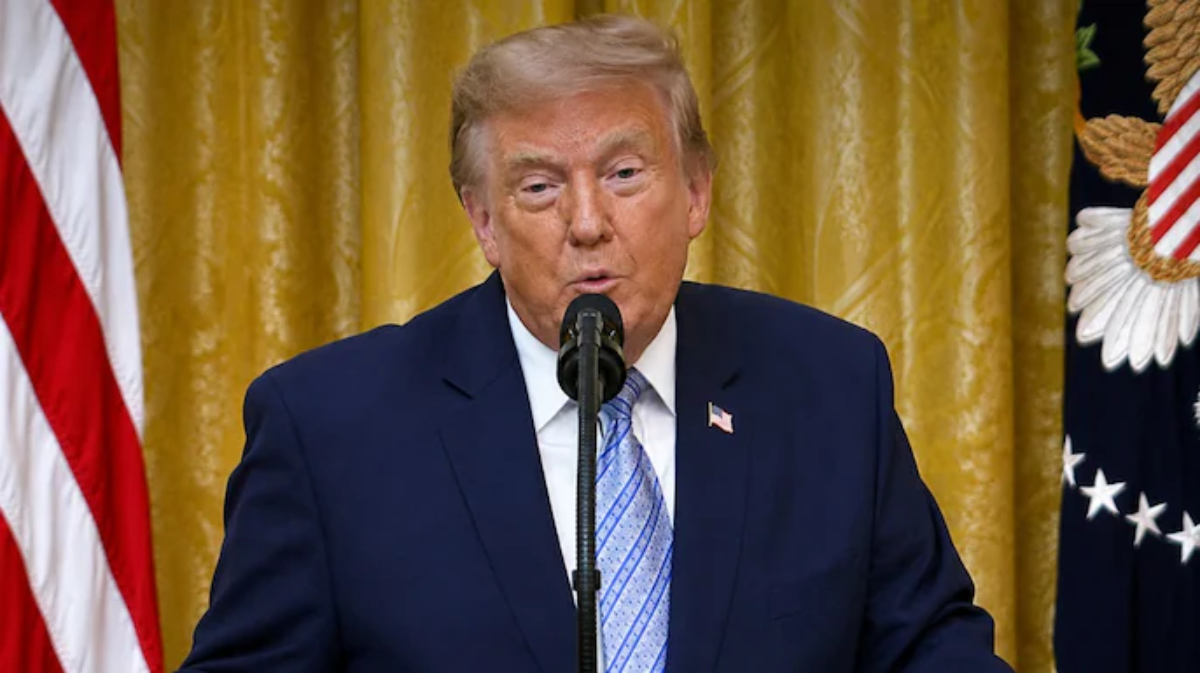
Tensions between the two nuclear-capable countries snowballed after the operation and resulted in cross-line firing. The conflict continued until May 10, three days after the operation, when a ceasefire was enforced. India has asserted that the ceasefire was agreed upon after a direct request by Pakistan—contradicting ex-U.S. President Donald Trump's claim that he had intervened effectively to disperse the tensions.
Read also| US Reiterates Role in India-Pakistan Tensions Easing; India Responds
Read also| Chinese‑Made F‑7 BGI Jet Crashes into Dhaka School, Killing Over 19