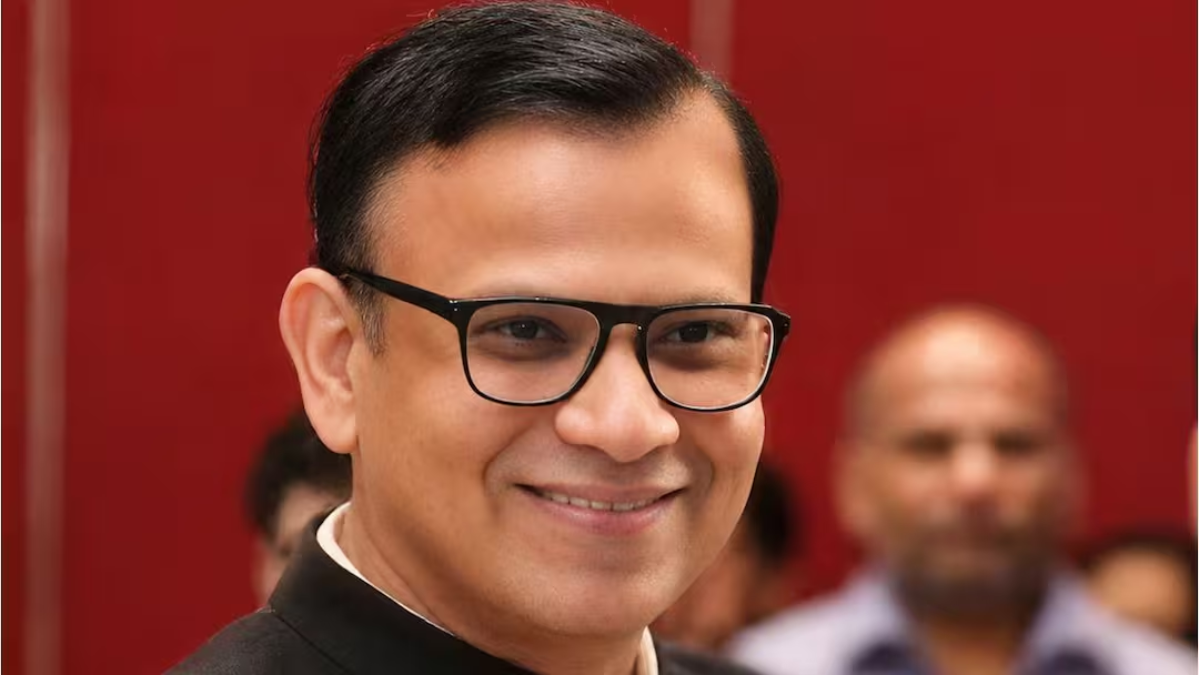


The Centre on Friday appointed senior IPS officer Anurag Kumar as the new Commissioner of Delhi Police, replacing Satish Golcha, who had been serving as the city's top police officer since August last year.
A 1994-batch Indian Police Service (IPS) officer of the AGMUT cadre, Kumar most recently served as Special Director of the Intelligence Bureau (IB). His appointment follows his repatriation from the central intelligence agency to his parent cadre after approval by the Appointments Committee of the Cabinet headed by Prime Minister Narendra Modi on Thursday.
Announcing the appointment, the government said, "With the approval of the Competent Authority, Anurag Kumar, IPS (AGMUT:1994) is hereby appointed as Commissioner of Police, Delhi with effect from the date of assumption of charge and until further orders," an official order said.
Satish Golcha, a 1992-batch IPS officer whose tenure as Delhi Police Commissioner was scheduled to continue until April 2027, has now been directed to report to the Lieutenant Governor of Delhi.
Kumar brings nearly 32 years of experience in policing and public administration to the role. During his tenure as Special Director in the Intelligence Bureau, India's premier domestic intelligence agency, he handled key assignments related to national security, counter-terrorism operations, intelligence analysis and other sensitive security matters.
An engineering graduate, Kumar was awarded the Police Medal for Meritorious Service in 2010. He later received the President's Police Medal for Distinguished Service in 2016, honours conferred on police officers for exceptional contributions to the force.
As Delhi Police Commissioner, Kumar will oversee one of the country's most critical law enforcement organisations. His immediate priorities are expected to include maintaining law and order in the national capital, tackling organised crime and cybercrime, strengthening women's safety, enhancing counter-terrorism preparedness and ensuring the security of VIPs.
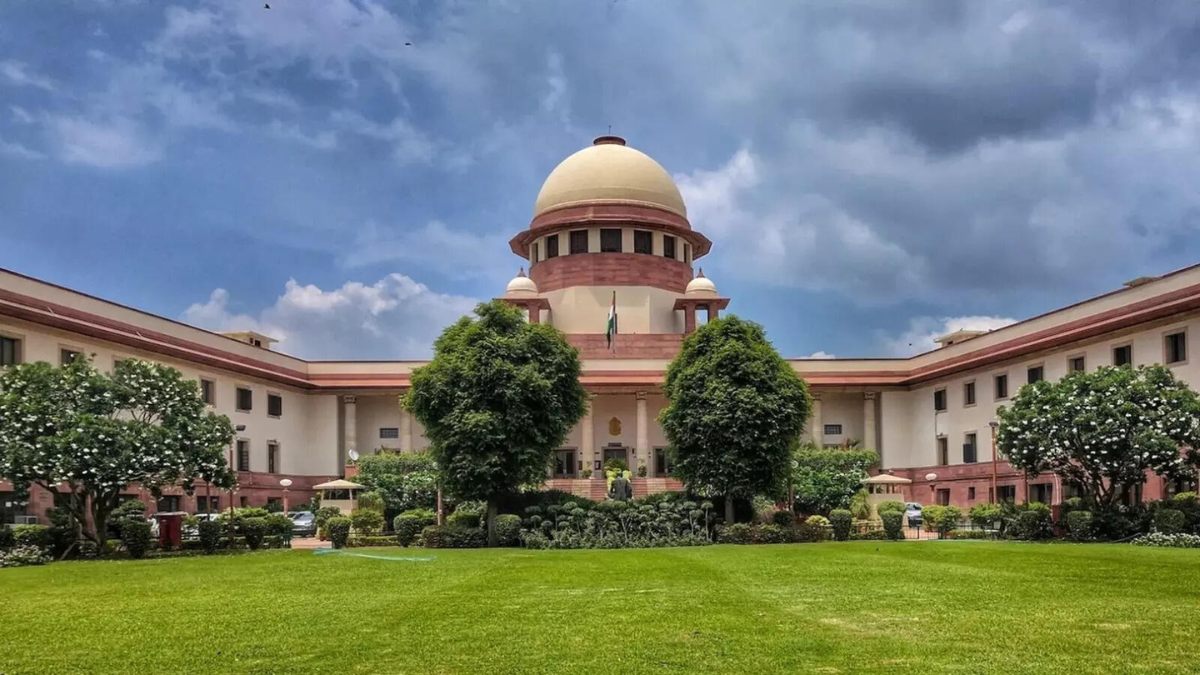
The Delhi Police is responsible for safeguarding several of the nation's most important institutions, including Parliament, Rashtrapati Bhavan, the Prime Minister's Office, the Supreme Court, foreign embassies, numerous sensitive government establishments and major historical monuments.