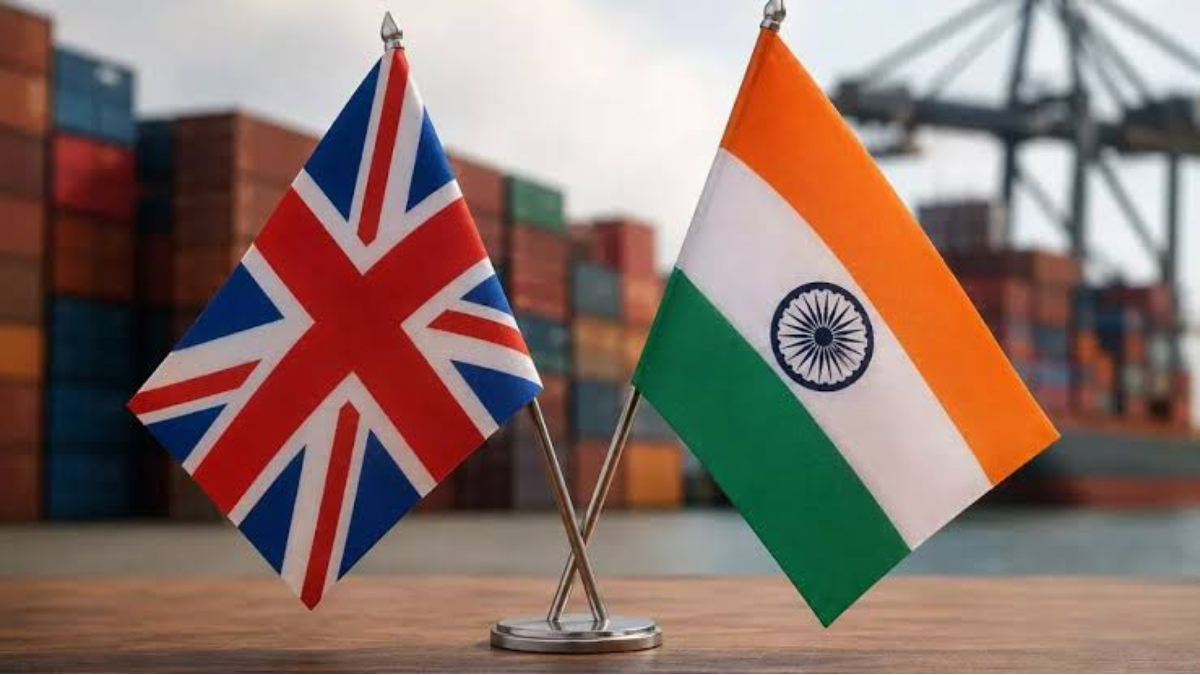


British media sources have welcomed comprehensively the just-signed India-UK Free Trade Agreement (FTA) as a great economic coup and strategic post-Brexit victory. The historic agreement—formally known as the Comprehensive Economic and Trade Agreement (CETA)—seeks to increase bilateral trade by some USD 34 billion every year and greatly enhance market access for both countries.
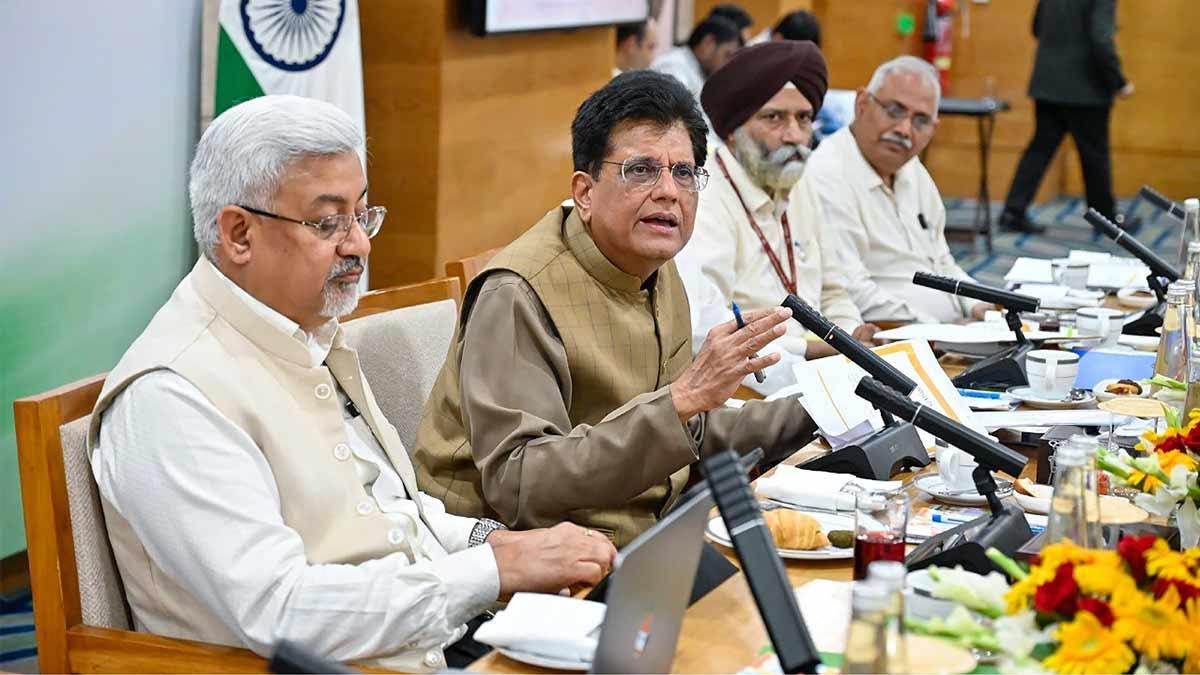
The pact was signed by India's Commerce Minister Piyush Goyal and UK Trade Secretary Jonathan Reynolds, in front of Prime Ministers Narendra Modi and Keir Starmer. The UK government termed the deal as a game-changing agreement that will secure thousands of British jobs while opening new markets for exports.
Described as a diplomatic and economic breakthrough, the agreement has also been presented by the UK media as a justification for Brexit. Media outlets mentioned that the kind of deal would not have occurred if Britain remained a part of the European Union—a bloc that has previously struggled to negotiate a similar agreement with India.
Photos of a cozy encounter between Modi and Starmer at the UK Prime Minister's rural retreat, Chequers—accompanied by grins, hugs, and mutual cups of tea—filled the front pages, capturing the upbeat tenor of the coverage.
The Daily Express hailed the deal with a headline that stated: "One reason why multi-billion-pound Brexit trade deal with India is good for Britain," with the claim, "Britain's bumper trade deal with India will have Remainers choking on their cornflakes this morning."
The Times described the deal as well worth the effort, given that it “opens the door to a market that could be second only to China’s by 2050.” The publication reflected on the historical trade ties between the UK and India, noting how the dynamic has shifted since Mahatma Gandhi’s boycott of British textiles to today—when India has overtaken the UK as the world’s fifth-largest economy.
Under the paper, Indian tariffs on British goods will fall from 15% to only 3%, and UK ministers estimate the deal could boost the nation's GDP by £5 billion by 2040. Though the economic impact may seem modest compared with the UK's present output of £2.56 trillion, the actual value, the paper contends, is in the long-term trade liberalization possibilities and the deepening of bilateral relations.
While the bulk of British media welcomed the FTA warmly, The Financial Times cited a more muted reaction from British motor manufacturers. The car industry is said to have been dismayed by the last-minute terms, with one insider describing negotiations between London and New Delhi as "very difficult."
Issues are centered on the varied easing of tariffs on diesel and petrol cars, which won't fall to the crucial 10% rate until 2031. There are also ceilings on numbers of vehicles that UK companies can ship to India, with this threshold dropping significantly between 2031 and 2046.
Nevertheless, the report states that automakers are "relatively optimistic," considering that tariff reductions are at least on the horizon.
Another area of dispute brought to the fore by The Daily Telegraph and The Times is the Double Contributions Convention (DCC), which is a provision related to the trade treaty. In the DCC, Indian workers posted to the UK by employers based in India can work for three years before paying into the UK's National Insurance scheme. They will, however, keep on contributing to India's social security fund. The reverse will also hold true for UK workers posted to India.
Others view this as a possible point of friction in the UK domestic immigration and labour policy debate. With Labour's recent proposal to raise National Insurance for companies, the deal is seen by opponents as potentially setting an unlevel playing field.
Quoting Prime Minister Modi, the Telegraph wrote that the DCC will "inject new energy into the service sectors of both countries," and that the UK could gain from India's highly skilled workers. But The Times was more circumspect: "There is, of course, a dark lining to every silver cloud… One to watch."
The deal, seeking to double bilateral trade to USD 120 billion by 2030, will now go through the ratification process in the UK Parliament. After clearance from the Indian Cabinet and the ceremonial signing ceremony, the last leg of legislative clearance will take up to one year.