

India's refusal to buckle under US economic pressure, highlighted in the form of a 50 percent tariff on significant Indian exports, sends a strong message to the rest of the developing world struggling with globalization and trade weaponization, a report said on Saturday.
India's take-stand attitude points to its commitment towards economic sovereignty at the cost of short-term economic benefits.
The manner in which India has taken a protectionist stance is beyond economic prudence — it is a policy to ensure social stability, food security, jobs, and rural well-being, which are imperative for the national development of India," the India Narrative report stressed.
The study clarified that India's opposition is primarily driven by the desire to protect its agricultural base, which supports rural livelihoods of millions of people. As most small-scale and marginal farmers rely on agriculture, lowering tariffs on imports like fisheries, milk, and genetically modified organisms would drastically impact rural incomes, induce market monopolies, and undermine social stability.
Outside of agriculture, the report also underlined the fact that tariffs would affect key sectors such as textiles, clothing, gems, jewelry, and auto parts, which are highly dependent on the US market.
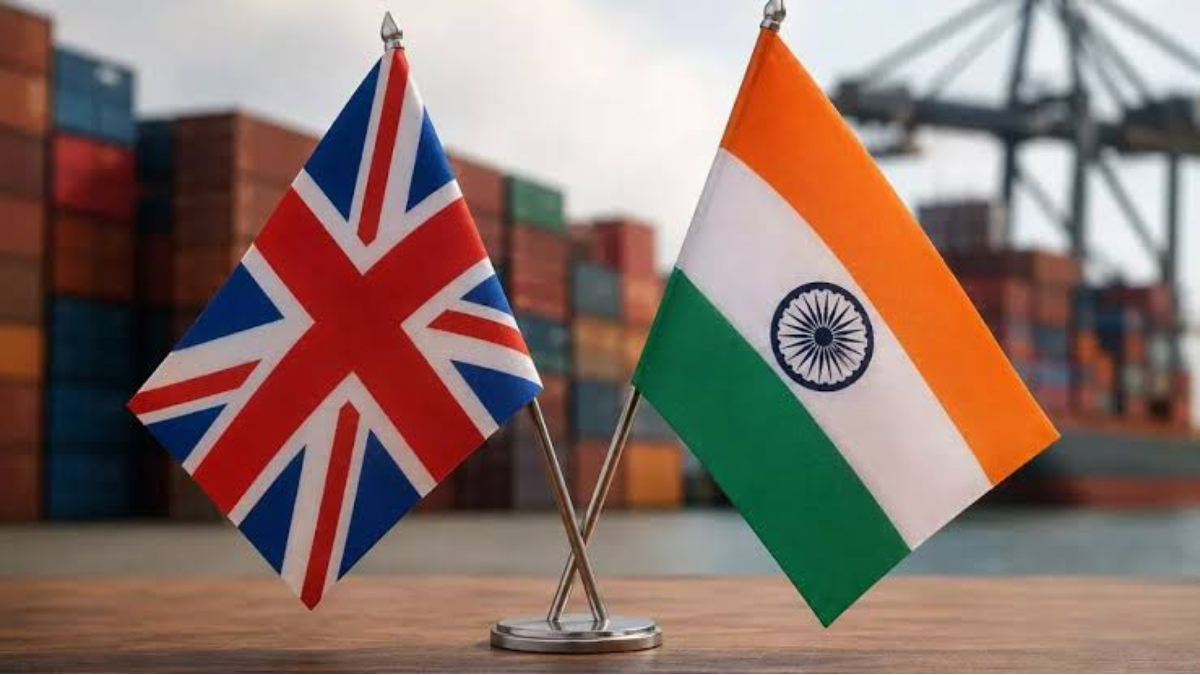
Of course, having faced this challenge, India has followed a strategy of diminishing sole market dependence by diversifying its trade alliances in a multipolar world order. It has intensified ties with the UK, the European Union, ASEAN, and the Global South coalition blocs of BRICS and SCO," the report elaborated.
It also noted that Prime Minister Narendra Modi’s forthcoming participation at the SCO Summit will signal a significant shift in India’s foreign policy approach.
The report noted that India is not just replying in public denunciation but also by legally challenging the US tariffs before the World Trade Organization (WTO). At the same time, India upholds its commitment to rule-based international trade against what it perceives as "unlawful and unilateral punitive measures" by the US. This legal approach supports India's alignment with other nations who are calling for even-handed global trade practice without falling prey to coercive measures.
This development hastens trade diversification, enhances legal assertiveness in international trade governance, and reaffirms India's assertion of mastering its economic destiny. This stance gives the India-US relationship a new character marked by heterogeneity, contestation, and sovereignty-oriented engagement rather than unregulated market integration," the report emphasized.
India's stubborn refusal to buckle under US tariff pressure, the report said, is more than a reflex of reactive nationalism; it is a calibrated assessment based on sophisticated economic imperatives.
"Through taking a path of balancing litigation, diplomacy, and domestic protection, India is contributing to creating a less Washington-centric global trade environment and one that is sensitive to a multipolar world," the report added.
Read also| China Must Avoid Demands That Strain Economies of Regional Allies: Report
Read also| Indian Markets Fall 0.9% This Week on US Tariff Worries, FII Outflows