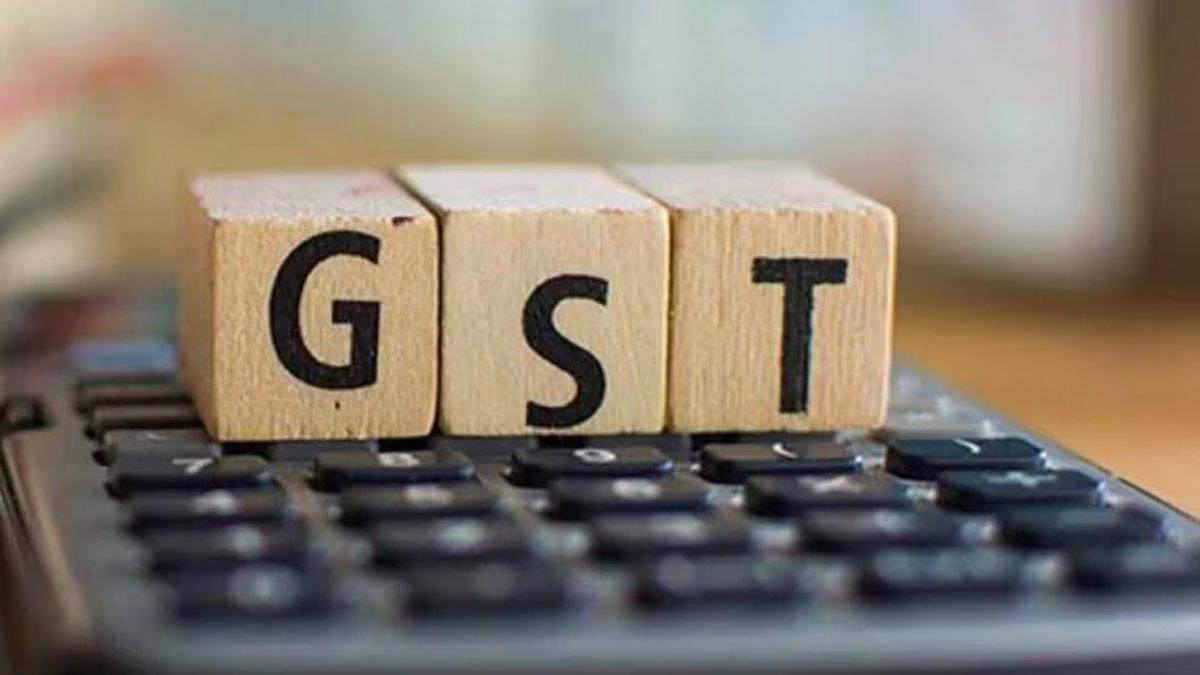


A key round of talks on GST rate rationalisation by the Group of Ministers (GoM) ended on Thursday, with state finance ministers supporting the Centre's move to simplify tax slabs.
The suggestion, made to the six-member group led by Bihar Deputy Chief Minister Samrat Choudhary, proposes consolidating the existing four-tier system of 5, 12, 18, and 28 percent into two main slabs.
As per the suggested framework, essential or ‘merit’ goods and services will continue to be taxed at 5 percent, while the bulk of other commodities will fall under an 18 percent standard rate.
For a small group of 'sin goods'—alcohol, tobacco, gambling, narcotics, sugary drinks, fast foods, coffee, and even pornography—there will be a high 40 percent tax. They are taxed on what is generally referred to as a sin tax, aimed at discouraging consumption and reducing linked social and health costs.
Finance Minister Nirmala Sitharaman, in her presentation to the two-day GoM deliberations, emphasized that the simpler system would "help the common man, farmers, middle class and small businesses, while also making GST transparent and growth-focused."
Under the new framework, almost all items currently taxed at 12 percent will be moved to the 5 percent category. Similarly, most items being charged a 28 percent rate would be moved to the 18 percent slab—a tweak the Centre thinks will make compliance easier and reduce the system's complexity.
The GoM also discussed the Centre's proposal for exempting GST on life and individual health insurance premiums. While the majority of states welcomed the step, they emphasized the need for strict monitoring to ascertain whether or not insurers pass on the benefit to policyholders. The exemption is expected to lead to a revenue loss of around ₹9,700 crore a year.
The suggestions will now be put before the GST Council, which is set to make a final decision in its meeting later this month in September.
Read also| India’s Growth Momentum Unshaken by US Tariffs: S&P Global Ratings