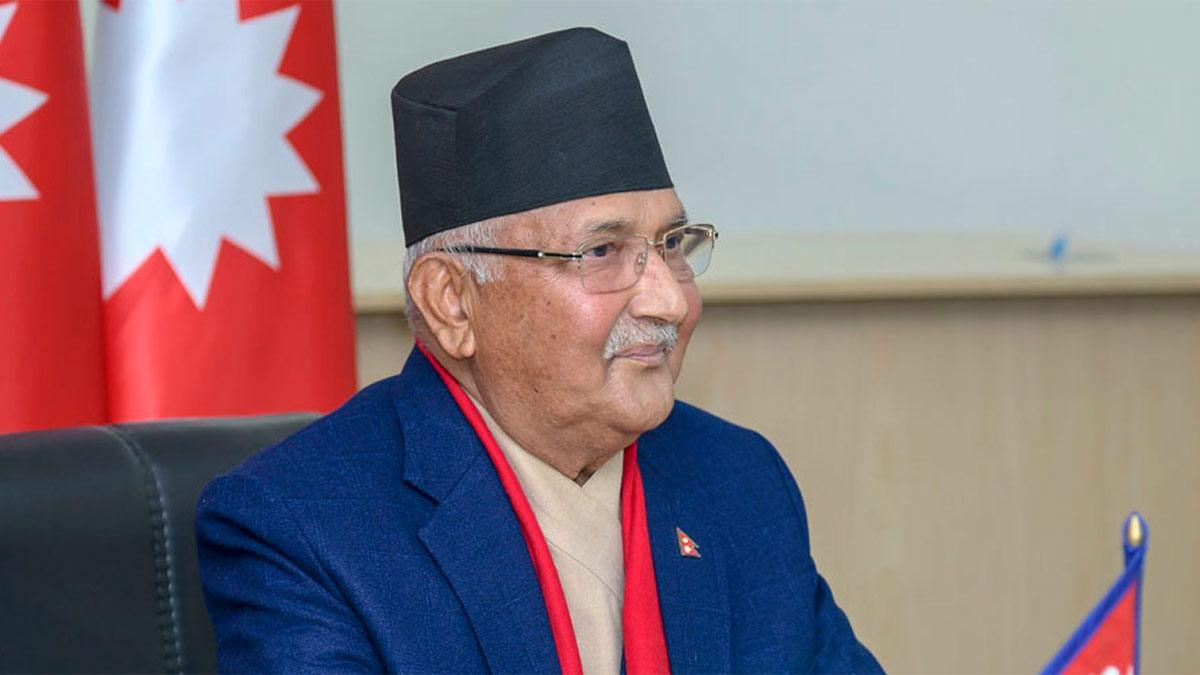


Nepal descended into political crisis on Tuesday as Prime Minister KP Sharma Oli resigned after two days of blood-soaked anti-corruption street protests organized mainly by "Gen Z" protesters. The clashes killed 21 individuals and injured close to 100.
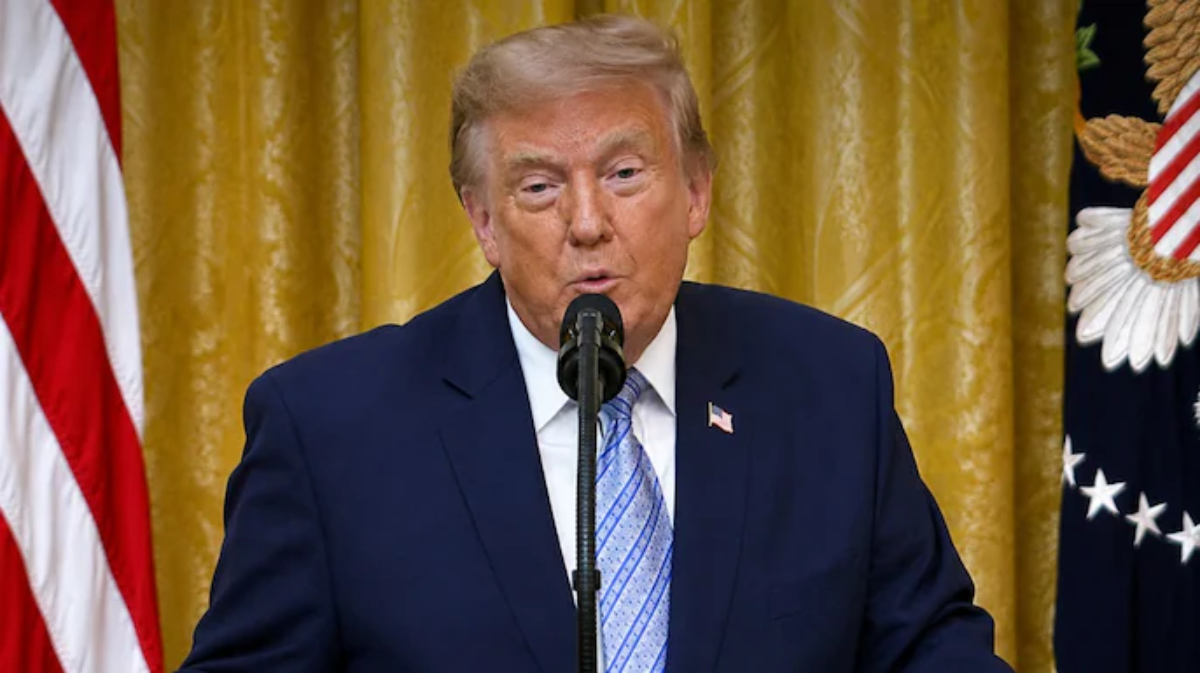
"The PM has quit," his aide Prakash Silwal later confirmed. Visuals showed Mr Oli leaving from his office in a military helicopter. Shortly afterwards the Nepal government's Chief Secretary issued a fervent appeal for calm. "... as the resignation of the Honourable PM has been accepted, we sincerely urge all citizens to exercise restraint to prevent further loss of life and property in this critical situation..."
His assistant, Prakash Silwal, confirmed, "The PM has resigned." Shortly after, images indicated Mr. Oli leaving his office aboard a military helicopter. Later in the day, President Paudel too stepped down.
The Chief Secretary of the government made a call for restraint, asking people not to resort to violence. ". as the Honourable PM's resignation has been accepted, we strongly appeal to all citizens to exercise restraint so that no more lives or property get lost in this delicate situation." the announcement said.
What's Next?
Mr. Oli’s departure fulfills one of the protesters’ central demands, but Nepal’s political future remains uncertain. Unlike in some other countries, a Prime Minister’s resignation does not automatically dissolve the government. Mr. Oli served as the executive head, while Mr. Paudel held the position of government chief.
Reports indicate that the Army may take over temporarily until stability is restored and a new government is established, comparing it to Sri Lanka in 2022 and Bangladesh in 2024, where the military intervention came after similar anti-corruption revolutions.
There is also renewed speculation of a possible return to monarchy—abolished in 2008 after 239 years—because the notion still has pockets of support.
Two individuals have been the favorites among demonstrators: Kathmandu Mayor Balendra Shah and parliamentarian Sumana Shrestha.
Earlier on Tuesday, Mr. Oli, 73, presided over an all-party gathering, threatening that "violence is not in the interest of the nation" and urging dialogue. But within hours, demonstrators stormed government offices—including Parliament, Singha Durbar (the seat of a number of ministries), and even the private homes of Mr. Oli and Mr. Paudel—incendiarily razing portions of them.
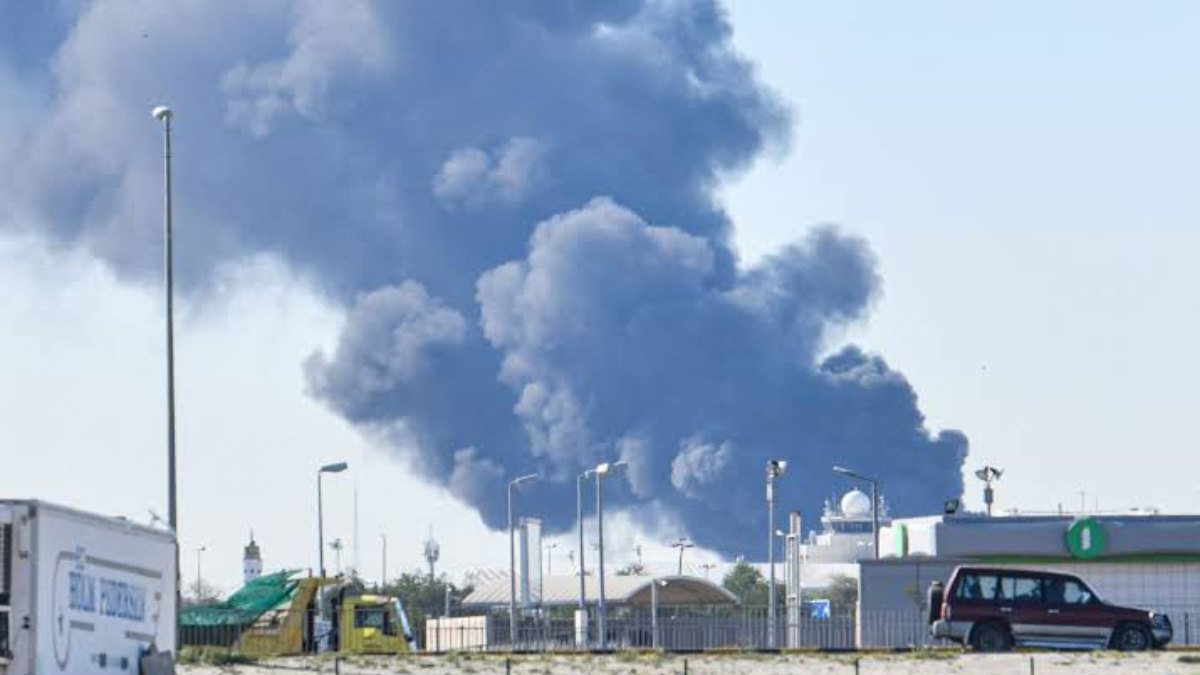
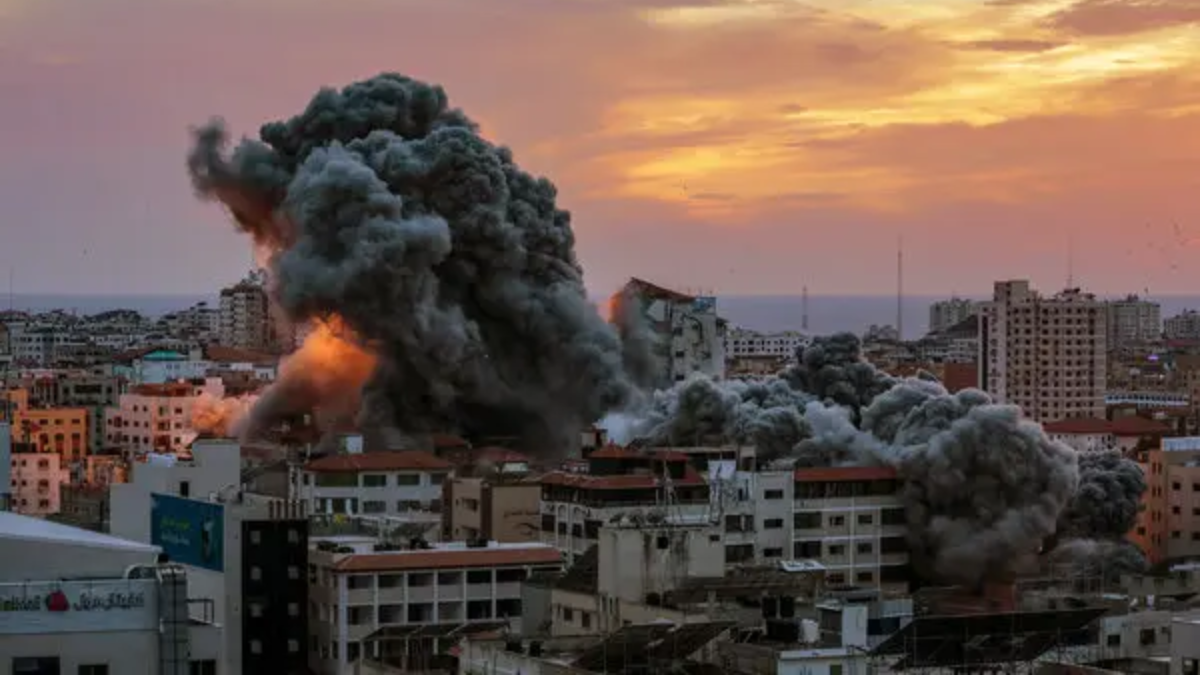
Kathmandu was a war zone: black smoke hung in the sky, cars were burning in the streets, and police were battling crowds. Young people were seen climbing over gates and taking over public spaces in videos.
The protests broke out 36 hours ago following the imposition of a ban on social media platforms such as Facebook, X, and YouTube by the government. Even though the ban was instantly lifted, protests escalated into a wider cry against corruption, nepotism, and the inability of the government to bring economic growth.
Protestor Robin Sreshtha captured the anger of many: "We are here for our future. We wish for this nation to be corruption-free so that all people can get education, hospitals, medical (centers). and have a good future." Protestors also cried, "Stop the social media ban. Stop corruption, not social media."
Placards were carried by marchers with slogans such as "Stop the ban on social media. Stop corruption, not social media", "unban social media", and "youths against corruption." Social media hashtags #NepoBabies and #PoliticiansNepoBabyNepal became trending online, repeating claims of special treatment for influential leaders' children.
With the police in a state of overwhelm, the Army was deployed. The Kathmandu Post informed that the remaining ministers yet to resign were evacuated for security reasons. The mayhem also saw the temporary shutdown of Kathmandu's Tribhuvan International Airport. Flights landing from the south were halted due to poor visibility caused by smoke.
Air India canceled multiple flights, while two IndiGo flights—from Delhi and Mumbai—were diverted to Lucknow.
The Indian government had also announced a travel advisory, advising its citizens to refrain from non-essential travel to Nepal. People who were already in the country were advised to stay indoors and adhere to local safety protocols until the situation stabilizes.
Read also| EAM Jaishankar Reaffirms India’s Dedication to Strengthening Global South’s Voice
Read also| Nepal PM KP Oli steps down following violent anti-corruption protests: Report