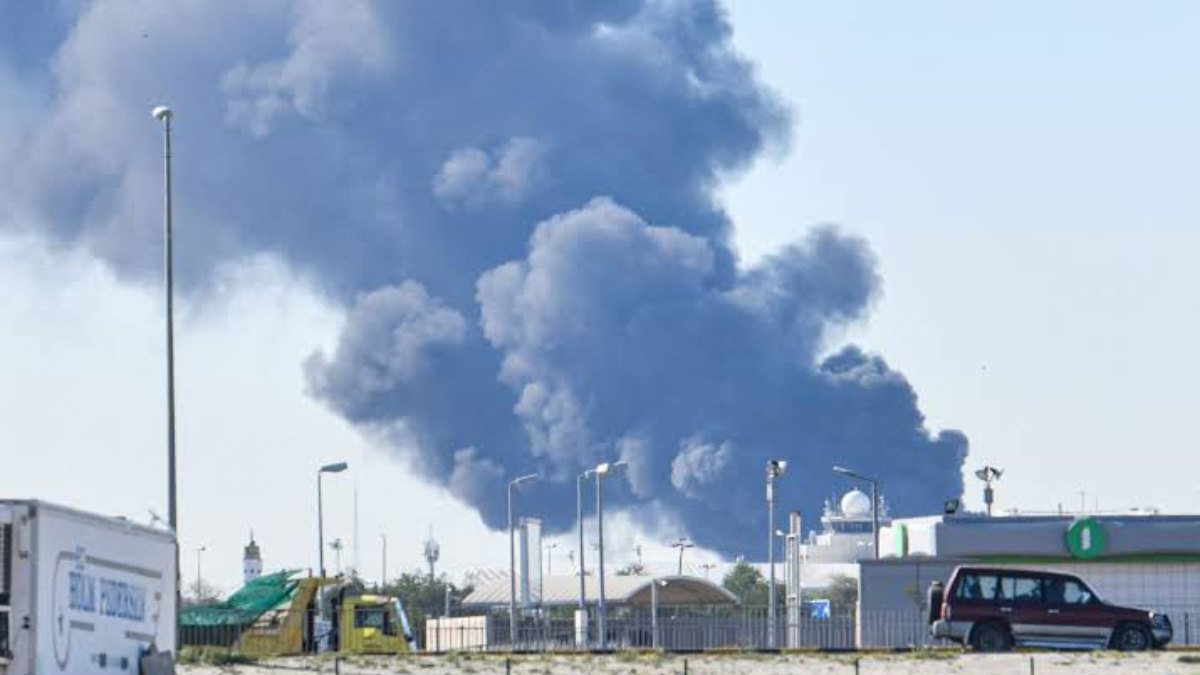
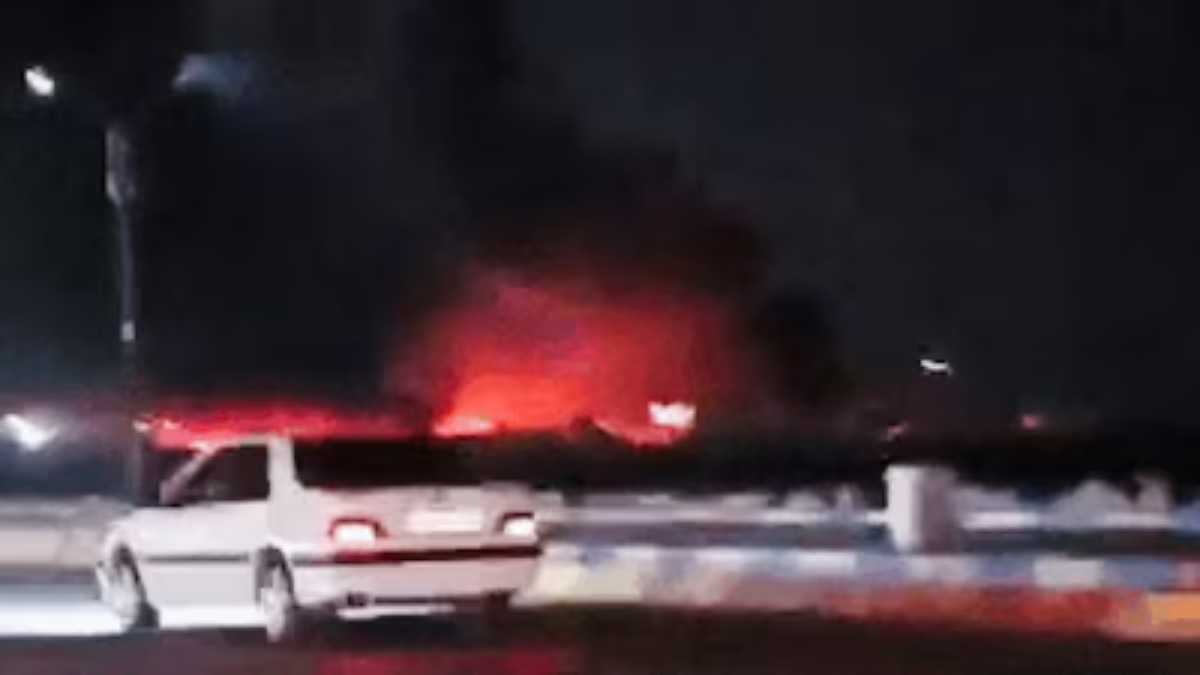


Iran carried out retaliatory airstrikes on Thursday against the headquarters of the US Navy’s Fifth Fleet in Bahrain and an American military base in Kuwait, according to Iranian state media, marking a sharp escalation in tensions following fresh US military action against Tehran.
Iranian media claimed the strike on Bahrain triggered a fire at the headquarters of the US Navy’s Fifth Fleet. The outlets also published footage they said showed an attack on a US military installation in Kuwait, describing it as a base of “American terrorists."
The reported strikes came after residents in Manama, the capital of Bahrain, heard explosions soon after authorities activated air raid sirens warning of an incoming attack.
The escalation followed a pledge by Iran’s Revolutionary Guards to “give a devastating response" after the United States launched a new round of strikes on Iranian targets.
In Kuwait, the country's military announced that its air defence systems were engaged in intercepting what it described as “hostile missile and drone attacks."
“The General Staff of the Army notes that any explosions heard are a result of air defence systems intercepting hostile attacks," the Kuwait military said in a post on X, without specifying the origin of the projectiles.
Earlier in the day, Bahrain’s Interior Ministry confirmed that warning sirens had been sounded after the Revolutionary Guards threatened retaliation against the United States.
“The siren has been sounded," the interior ministry said in a post on X. “Citizens and residents are urged to remain calm and head to the nearest safe place," it added.
The latest exchange of attacks followed a fresh wave of US strikes on Iran on Thursday. Washington said the operation was intended to protect freedom of navigation through the Strait of Hormuz after Tuesday’s assault on three cargo ships travelling through the strategically important waterway.
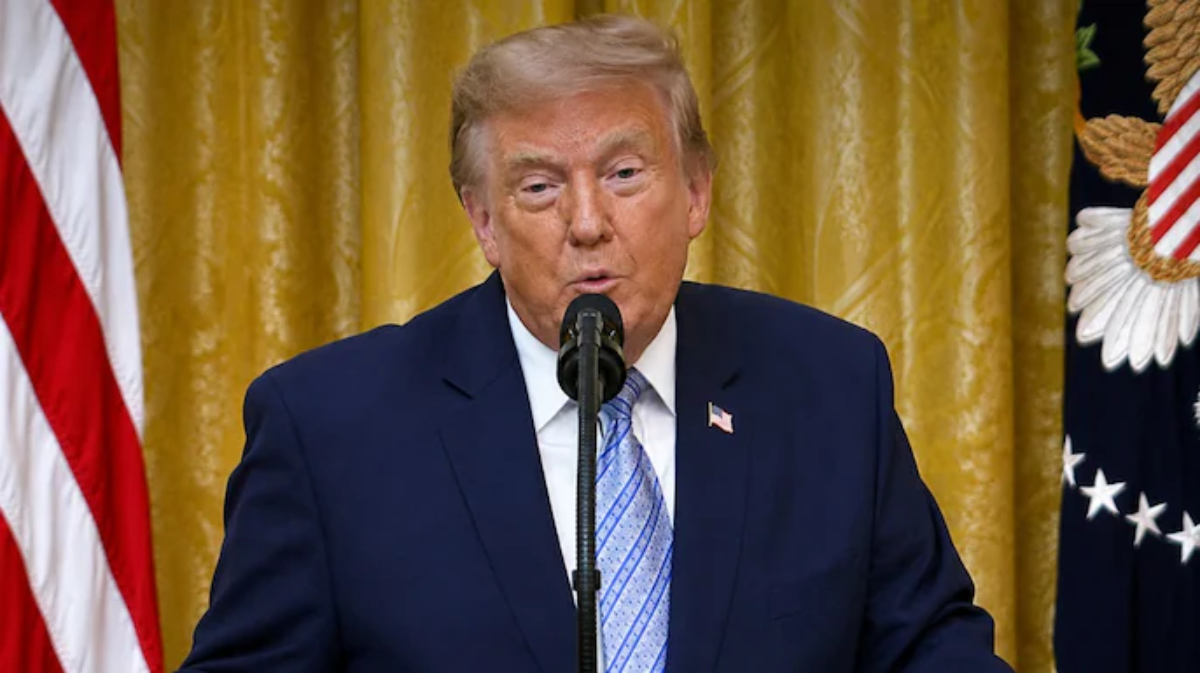
The US operation was launched just hours after United States President Donald Trump declared that the ceasefire with Iran to end the war was “over."
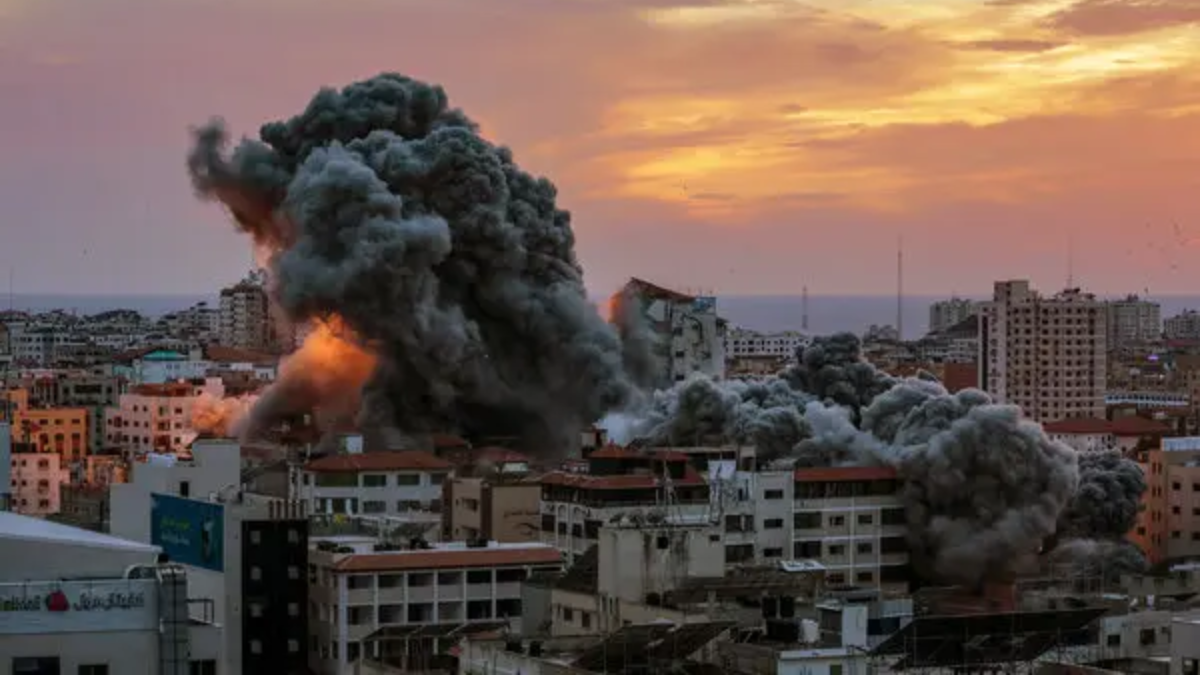
According to reports, the strikes rattled several cities along Iran’s southern coastline and caused power disruptions in some areas. The US military described the action as a direct response to attacks on commercial shipping.
“U.S. Central Command forces have started conducting additional strikes against Iran to further degrade their ability to threaten freedom of navigation in the Strait of Hormuz," CENTCOM, the U.S. military’s Middle East command, wrote on X.
“The United States is holding Iran accountable for recent unjustified aggression against commercial shipping and civilian crews freely navigating a vital international waterway," it added.
A US official told Reuters that Wednesday’s military operation would involve a greater number of strikes than the campaign conducted a day earlier.
Trump also characterised the attacks as retaliation for the recent assault on commercial vessels.
“This is in retribution for yesterday’s bombing of ships by Iran. If it happens again, it will get much worse!" Trump wrote on his Truth Social platform.
The Strait of Hormuz, a route through which around one-fifth of global oil supplies passed before the war began with U.S.-Israeli airstrikes on Iran on February 28, has emerged as one of the conflict’s most sensitive flashpoints. Although Iran has not claimed responsibility for the attacks on the cargo ships, the United States has continued to accuse Tehran of carrying them out.
The renewed military confrontation has also raised fresh uncertainty over the future of the memorandum of understanding signed on June 17, which had fuelled hopes of bringing the conflict to an eventual end.
When asked ahead of a NATO summit in Turkey whether the interim agreement had effectively collapsed, Trump responded, “It’s a very interesting question. To me, I think it’s over. I don’t want to deal with them."
“If we make a deal with Iran, I’m not sure that will stick," Trump later said. “I found them to be very dishonourable people," he added.
Despite saying he considered the agreement effectively finished, Trump maintained that he did not believe the fighting would escalate into another full-scale war. He also indicated that it remained unclear whether negotiations aimed at reaching a permanent settlement would resume.
“Anything that happens is going to be over very quickly … and will only make it safer, including for oil," Trump said.
Also Read | Khamenei will be remembered as second Imam Hussain in 100 years, says Iran
Also Read | Watch | PM Modi offers prayers at Indonesia's 1,000-year-old Prambanan Temple complex