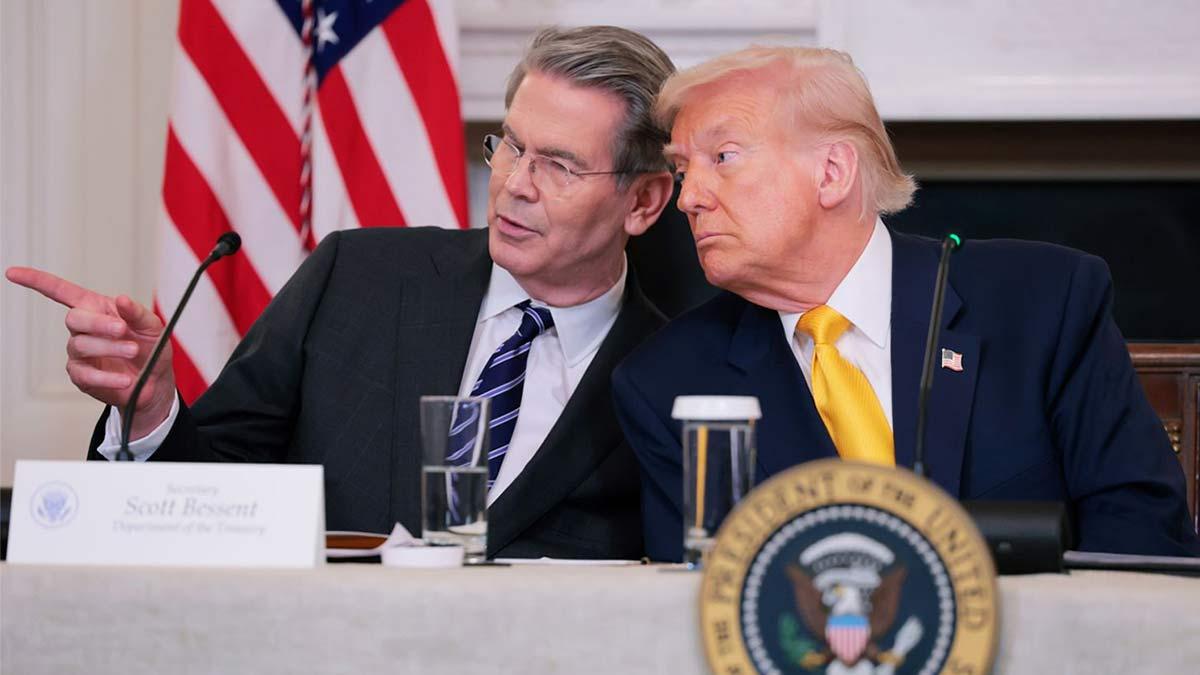


With the deadline for US President Donald Trump's "penal" tariffs on India coming up, US Treasury Secretary Scott Bessent clarified why China has not been penalized in the same way for buying Russian oil.
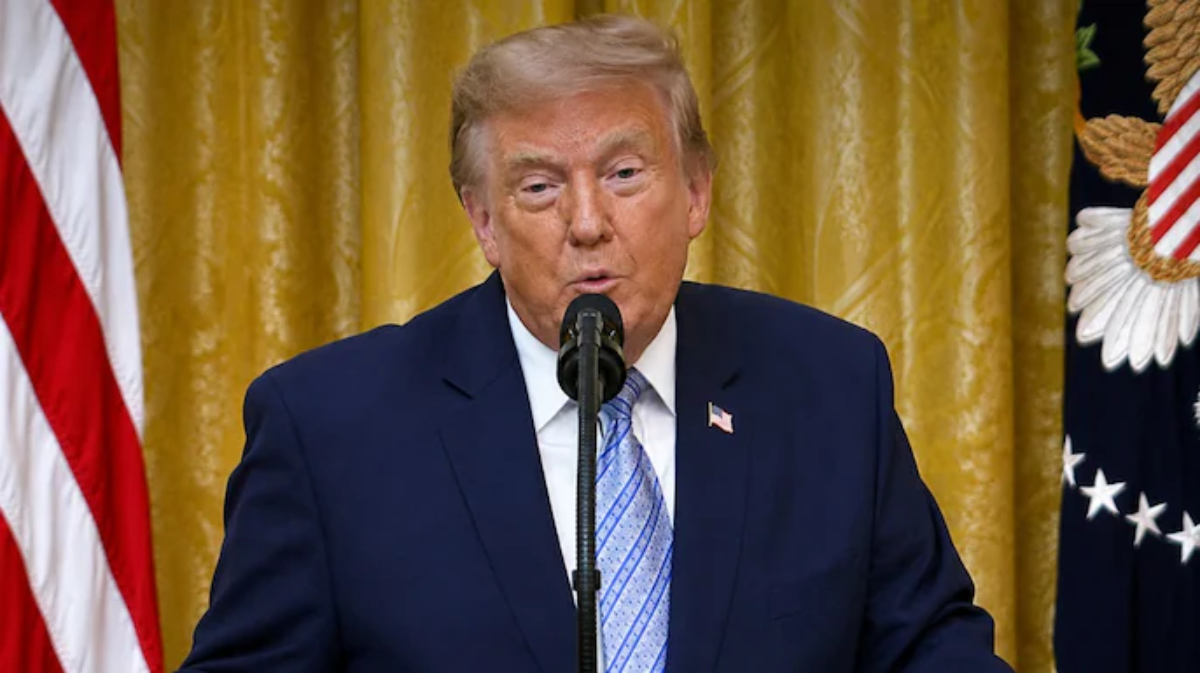
During a TV interview on Tuesday, Bessent said that India has been "profiteering" and "making billions" by selling Russian oil.
For him, India made "huge" profits from Russian oil sales during and after the Ukraine war. His comments came as he had defended Trump's decision not to sanction China for its Chinese imports of Russian oil.
"China's import (of Russian oil) is second-best. Before invasion (of Ukraine territory by Russia), 13 per cent of Chinese oil was coming from Russia. Now it's 16 per cent, so Chinese oil inputs have diversified," Bessent said.
He added that India had previously imported "less than 1 per cent" of its oil from Russia, and now that is up to 42 per cent."
"India is purely profiteering, they are reselling. They earned 16 billion in excess profits, some of the wealthiest families in India," Bessent furthered.
"This is a very different thing. Indian arbitrage, which is to buy low-price oil and resell, has just emerged in the course of the [Ukraine] war. This is just unacceptable," he stated.
In retaliation, President Trump levied an extra 25 per cent tariff on India for its Russian oil imports during the Ukraine conflict, taking India's total tariffs to 50 per cent, which are set to come into force at the end of this month.
After the tariff announcement, Russia came out in support of India and warned the US against making "illegal threats" to its trade partners.
With the tariff deadline approaching, Chinese Foreign Minister Wang Yi came to New Delhi. He met with Indian External Affairs Minister S. Jaishankar on Monday, reiterating that India and China must improve cooperation in the face of "overwhelming bullying" and threats to free trade.
India-US relations have been strained as a result of the Trump tariff controversy and ongoing bilateral trade talks.
Ahead of the tariff deadline, India temporarily suspended an 11 per cent import duty on cotton until September 30. Bloomberg noted that this move could signal New Delhi’s willingness to address US concerns over agricultural tariffs.
After Trump's 50 per cent tariff threat, Prime Minister Narendra Modi said that India was "ready" to pay a heavy price and would never compromise the farmers' interests—a hint at obstacles in accessing the US agriculture market in bilateral trade negotiations.
PM Modi asserted the same during his Independence Day speech last week.
Read also| No Change in India's Position on Taiwan: Report
Read also| NSA Doval to Wang Yi: India-China Relations Improving as Border Stays Peaceful