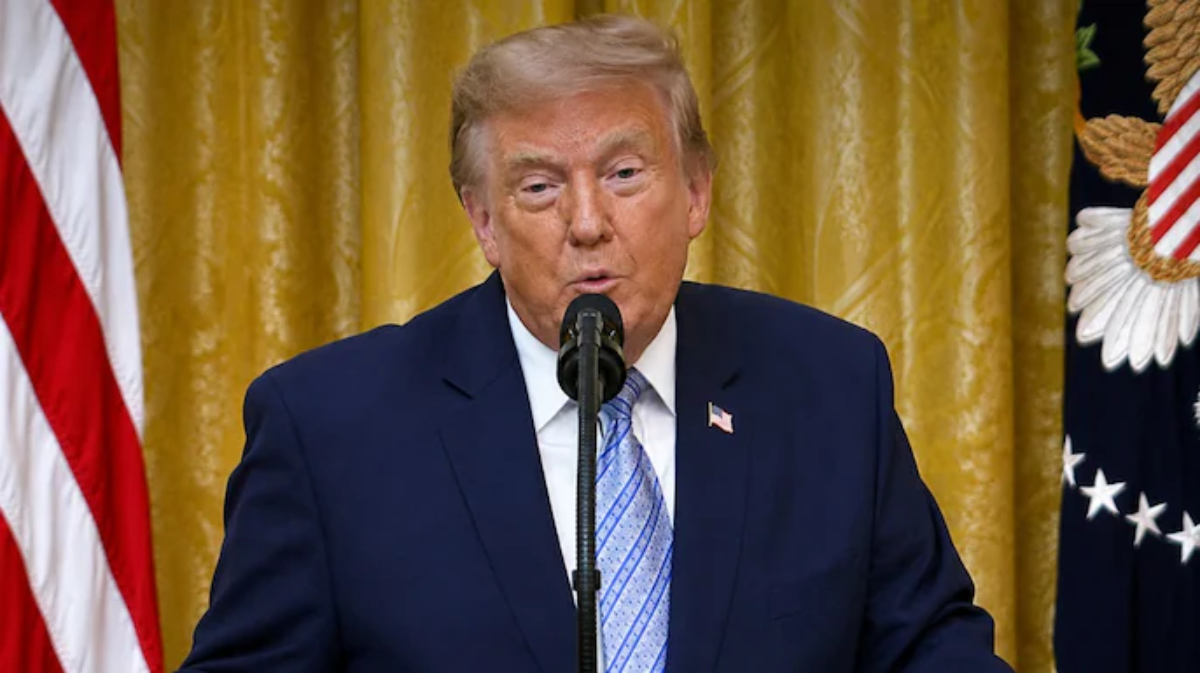
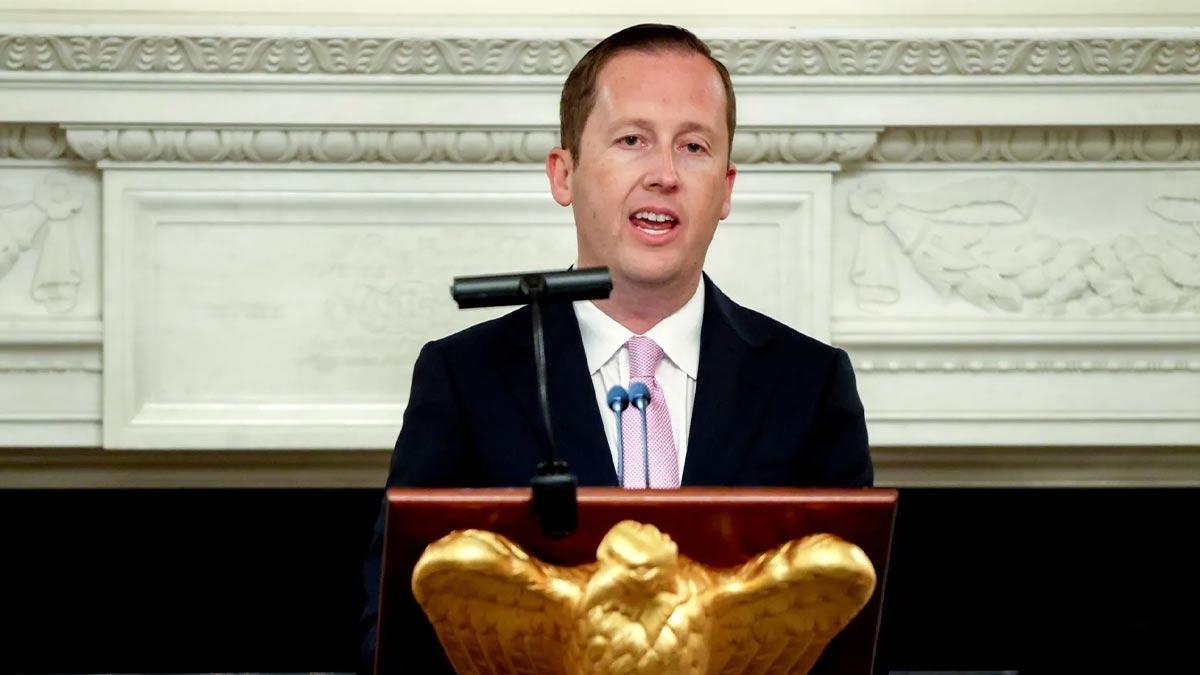


US President Donald Trump on Friday nominated his close political adviser, Sergio Gor, as the US ambassador to India, putting one of his strongest supporters in a position of influence at a sensitive time in bilateral relations with New Delhi.
At 38, Gor has rapidly risen through the ranks of right-wing politics to become a dominant but still largely behind-the-scenes player at the White House. He has personally vetted about 4,000 appointees, making sure they prove to be unshakeable Trump loyalists.
Among Gor's critics is Elon Musk, who, following a very publicized falling out with Trump, called Gor a "snake" for holding up the tech and aerospace tycoon's choice to lead NASA.
Though Gor has significant power, his experience in foreign policy is negligible, amounting to virtually nothing more than international travel and directing a contentious reorganization of National Security Council aides whose views were considered suspect.
"For the most populous Region in the World, it is important that I have someone I can fully trust to deliver on my Agenda and help us, MAKE AMERICA GREAT AGAIN," Trump wrote on his Truth Social platform.
"Sergio will make an incredible Ambassador," he wrote.
Trump declared that Gor would also be a special envoy for South and Central Asia.
The president has increasingly relied on personal friends for diplomacy, at times sidestepping career diplomats, with the State Department's highest-ranking position for South Asia remaining vacant.
The nomination follows escalating tensions with India, a country that the United States has considered as a strategic ally since the 1990s. Trump has taken steps to raise tariffs on India as part of a bid to strong-arm the country over Russian energy purchases, in a decision that comes despite his own previous interactions with Russian President Vladimir Putin.
India has had senior-level talks with Russia and China of late. One after another, the US administrations have viewed India as a counterweight to China, America's perceived number one global competitor.
Trump has also spoken about brokering negotiations between India and Pakistan after a short war in May that resulted in a ceasefire, although India has been slow to welcome any direct US intervention.
Gor was born in Soviet-era Uzbekistan, a fact he has not disclosed, before moving as a child to Malta.
He went on to study at an American university and became involved in Republican politics, moving on to senior positions with Senator Rand Paul, a leading anti-interventionist foreign policy critic. He then served as a fundraiser and book publisher for Trump—and even dabbled in amateur DJing at weddings.
Trump praised Gor's time as director of presidential personnel, stating that 95 percent of the jobs have been filled, and indicated Gor will remain in that position until the Republican-controlled Senate confirms him as ambassador.
Secretary of State Marco Rubio jumped to Gor's defense on X, declaring him an "excellent representative of America in one of the most important relationships our nation has in the world."
Trump's appointment of an ambassador to India is later than normal for world powers. Presidents do appoint political staff at times—then-President Joe Biden deployed former White House Chief of Staff Rahm Emanuel to Tokyo—but India has a tradition of appointing ambassadors from the public intellectual world.
US ambassadors to India have traditionally been the likes of renowned economists like John Kenneth Galbraith and social scientist-turned-senator Daniel Patrick Moynihan. Biden's ambassador to India, Eric Garcetti, was a previous Los Angeles mayor with a long-standing passion for Indian philosophy and an educational background in Hindi and Urdu studies.
Read also| Watch | 'Lowlife, Very Bad At What He Does': Trump’s Fierce Attack On Ex-Aide John Bolton
Read also| FBI Raids Home of Former US NSA John Bolton After He Slammed Trump's Policies