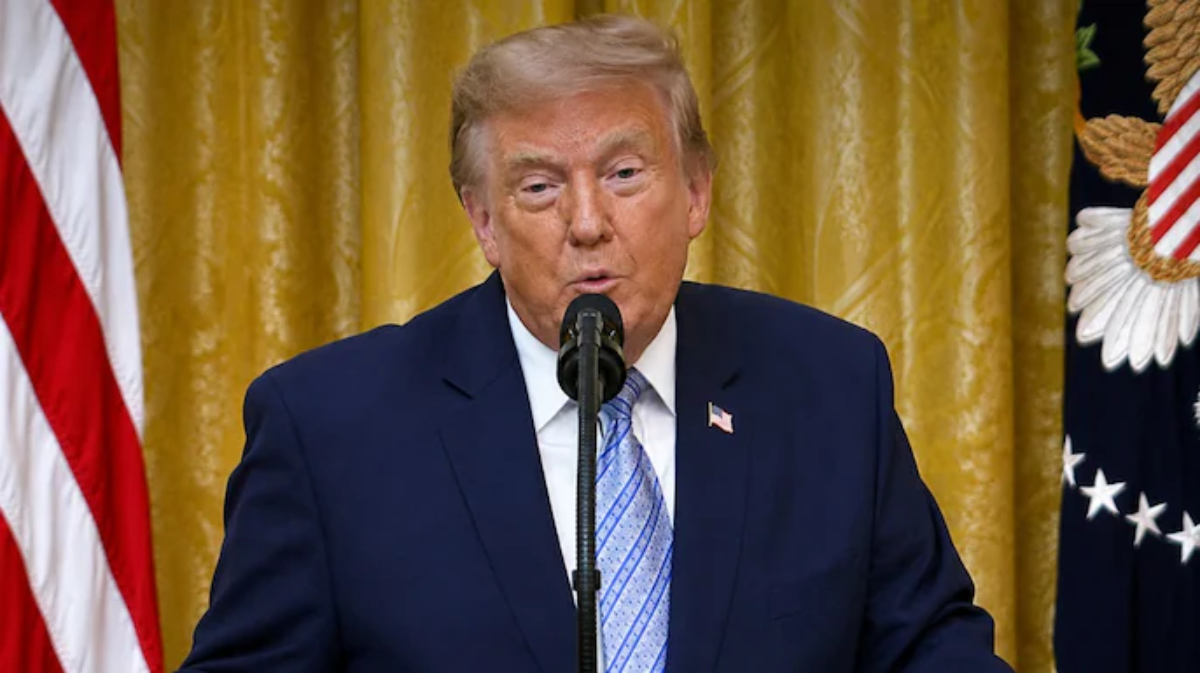
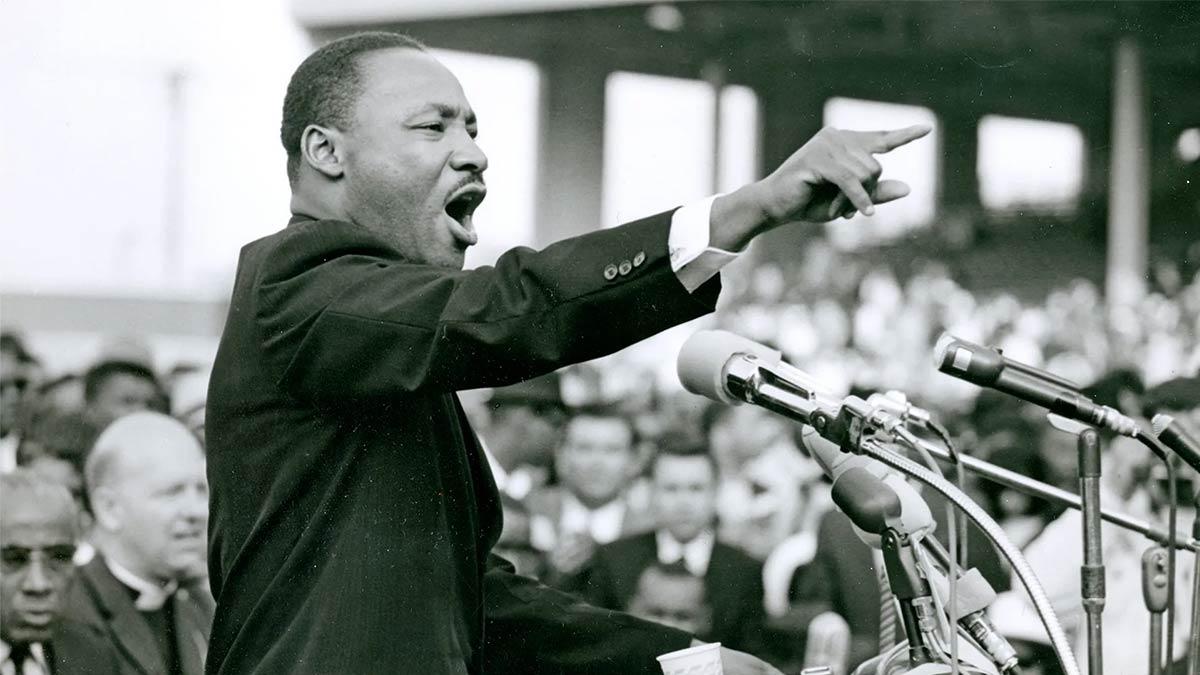


In a move that was praised by the Trump administration as a triumph for transparency, over 6,000 documents—nearly 250,000 pages—pertaining to the 1968 assassination of Rev. Dr. Martin Luther King Jr. were released Monday through the National Archives' website.
Yet, leading historians of King's life and legacy have questioned the importance of the release, noting a lack of new information and ongoing withholding of important materials, like FBI wiretap transcripts, still under court seal through 2027.
The previously unannounced release consists of investigative memoranda, interviews with King's killer James Earl Ray's acquaintances, and memoranda detailing contacts with foreign intelligence services during the international manhunt for Ray. The administration indicated that these documents had lain undigitized and forgotten in a range of different government records for decades.
A single sound file, consisting of an excerpt of an interview with Ray's brother Jerry Ray, was also part of the package. Most of the files, though, are hard to read because they are old and poorly digitized, and the collection is replete with an odd assortment of material—everything from public tips and newspaper clippings to Ray's efforts at locksmith school and his fascination with aliases from James Bond novels.
Even with the quantity, some top academics were unimpressed by the release. David Garrow, Pulitzer Prize-winning biographer of Dr. King and writer of an exhaustive history of the FBI's spying on the civil rights leader, said his initial review revealed little of significance. "I saw nothing that struck me as new," Garrow said.
Garrow became a news item in 2019 for writing an article based on already released FBI records about the assassination of President John F. Kennedy, including contentious allegations regarding Dr. King's involvement in a 1964 alleged rape. That document is not included in the release today, and there are questions as to where those claims came from. Garrow faced criticism from other historians for giving undue attention to such unverified, potentially inflammatory claims—widely believed to be part of the FBI’s campaign to discredit King.
The FBI monitoring, which involved wiretaps and widespread surveillance, was carried out under J. Edgar Hoover with the objective of collecting harmful information on King. Although summaries and some associated files were released publicly in the past, the original tapes and complete transcripts are still sealed. A federal judge recently rejected a Justice Department motion to make those documents publicly accessible before their publicly announced release in 2027.
Dr. King's personal life, most notably his extramarital affairs, has been a subject of controversy and speculation since his death, but some historians and members of his family also question the intent and accuracy of some of the most salacious claims. They caution that some of the more sensationalized material may be based on overt attempts by federal officials to discredit King's reputation rather than fact.
Larry J. Sabato, director of the University of Virginia's Center for Politics, seconded that skepticism while going through the documents with his research staff. "I'm not trusting anything that I read from F.B.I. files on M.L.K.," he said. "He wanted information on M.LK. and his activities and his contacts."
Dr. King’s surviving children, Martin Luther King III and Bernice King, released a statement emphasizing the deeply personal impact of the release. They described the FBI’s efforts as “an invasive, predatory, and deeply disturbing disinformation and surveillance campaign,” and urged those engaging with the files to do so “with empathy, restraint and respect for our family’s continuing grief.”
It is not clear if King's family was afforded the chance to make a request for redactions on the documents before publication. Administration officials indicated that they had spoken to the family.
Alveda King, the niece of Dr. King and a strong supporter of now-former President Trump, commended the release. She stated in a report included in the administration's announcement, "The declassification and release of these documents are a historic step towards the truth that the American people deserve.
During his presidential campaign, Donald Trump had pledged to declassify documents on the 1963 assassination of President John F. Kennedy and the 1968 murders of Robert F. Kennedy and Dr. King. The JFK documents, released in March, similarly provided little new evidence about the assassination.
Read also| Trump Calls for Release of ‘Credible’ Epstein Documents to the Public