
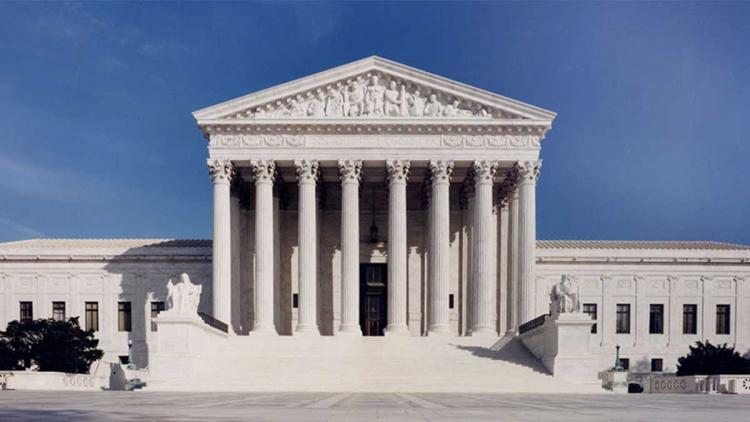


The US Supreme Court's review of cases involving the abortion pill Mifepristone poses a threat to legal abortion access. Recent reports highlight experts' consensus on Mifepristone's safety, contrasting it with common medications like paracetamol.
The court's move follows an appellate ruling that restricted telemedicine and mail access to the drug, reversing the FDA's decision. The potential ruling, expected by June 2024, could halt remote first-trimester abortions, disregarding state laws protecting abortion rights.
This decision might also ban access in states where abortion is prohibited, affecting marginalized communities and rural areas heavily reliant on telehealth services. Such restrictions counter trends during the pandemic, where telemedicine notably increased abortion care accessibility.
This ruling also impacts the number of doctor visits required for prescribing the pill, potentially increasing wait times and affecting patients traveling long distances. Medical experts emphasize Mifepristone's safety and efficacy, underscoring the potential repercussions for millions relying on this accessible form of abortion care.
Key Points:
1. The US Supreme Court's decision to review cases concerning access to the abortion pill, Mifepristone, could jeopardize the lives of many patients in states where abortion is legal.
2. This move follows an appellate ruling that restricted the drug's use, retracting the FDA's decision allowing telemedicine and mail-based access to the pregnancy termination drug.
3. Expected to rule by June 2024, this decision may impact access to first-trimester abortions, potentially nullifying remote access regardless of state laws protecting abortion rights.
4. The ruling might affect patients in states where abortion is illegal, posing a nationwide ban risk, especially for those in rural or underserved areas and minority populations.
5. In 2020, over half of US abortions were medication-based, with rural patients or those unable to travel to legal abortion states at risk of losing access to this crucial healthcare service.
6. Melissa Grant of carafem highlights the impact on millions, especially in 16 states relying on telehealth services for abortion care, marking a significant restriction in accessibility.
7. Restricting access to mifepristone through in-office visits reverses a trend adopted during the pandemic, limiting healthcare accessibility that shifted towards telemedicine.
8. Studies show telemedicine increased abortion care access due to convenience, low cost, and patient confidentiality, with potential repercussions on mandated doctor visits and wait times.
9. A possible Supreme Court decision imposing more doctor visits could disproportionately affect patients traveling long distances, particularly from states where abortion is prohibited.
10. Medical experts affirm the safety and efficacy of mifepristone, used alongside misoprostol, for pregnancy termination up to 11 weeks gestation and aiding patients experiencing miscarriage, despite the potential impact of increased regulations on access.
(With Agency Inputs)
ALSO READ | FBI Prioritizes 'Elevated' External Influence Concerns in 2024 Presidential Elections
ALSO READ | US Official Predicts Limited Time for Hamas Leader Yahya Sinwar