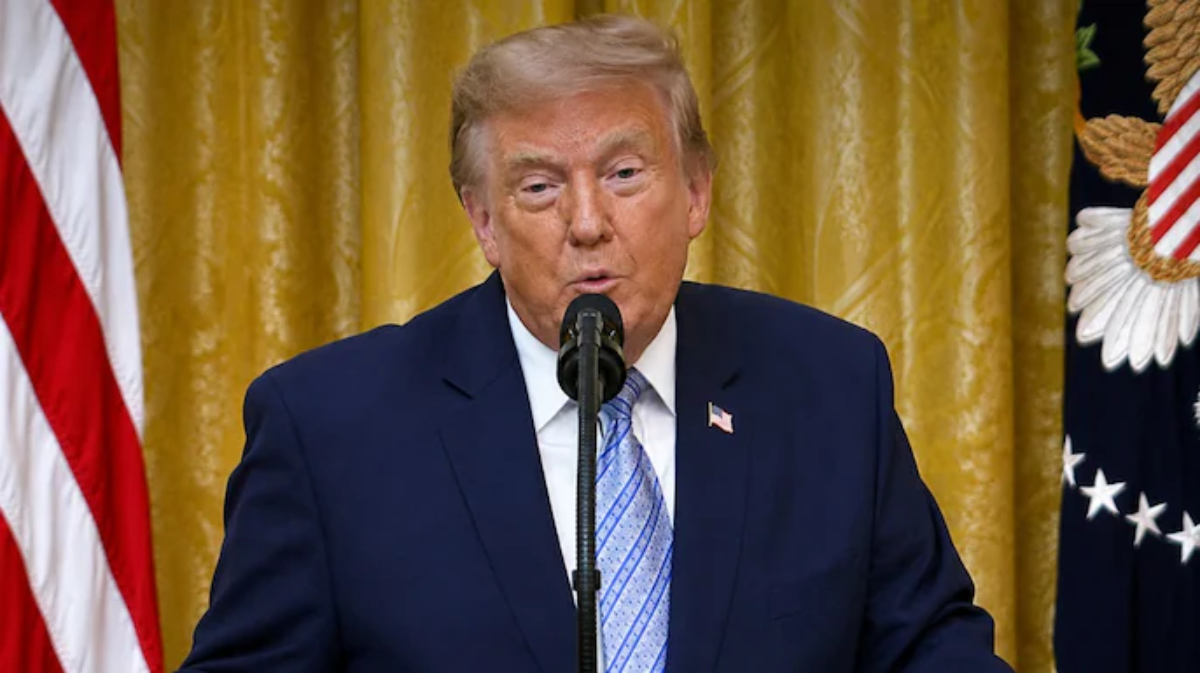
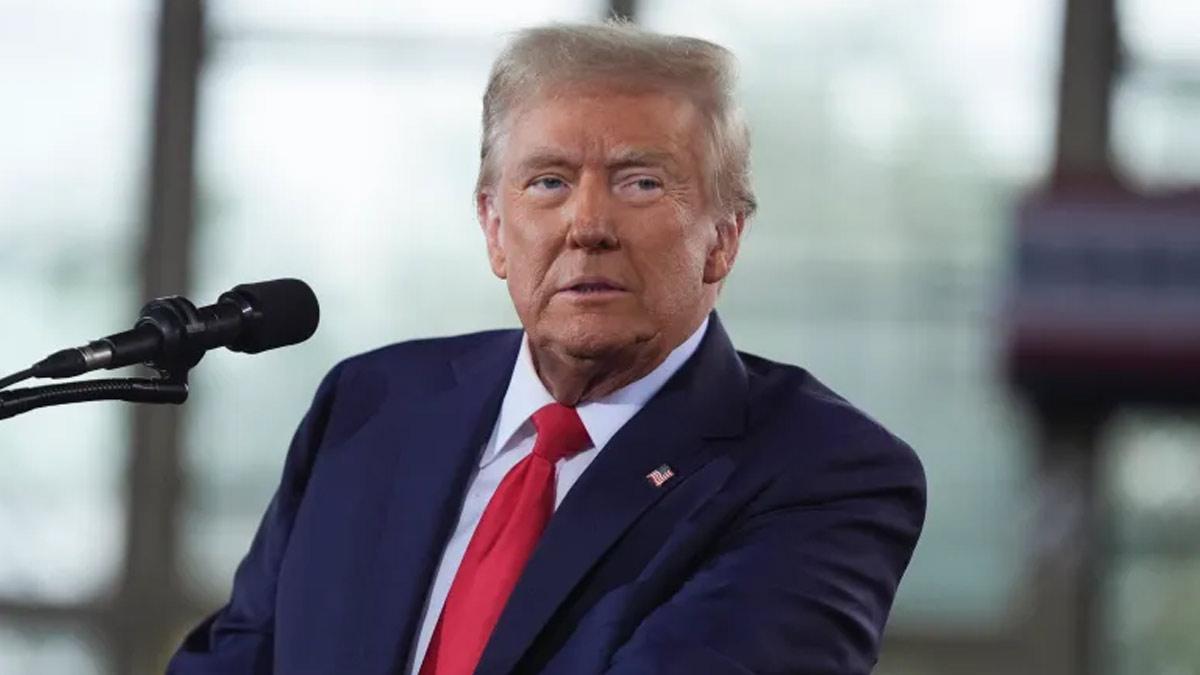


Senior American Congressman Gregory Meeks has strongly condemned President Donald Trump for levying retaliatory tariffs on India for its continued Russian oil imports.
Meeks, a Democrat, warned that the president's latest "tariff tantrum" could reverse more than two decades of bipartisan efforts that have tightened Washington-New Delhi relations.
"We share profound strategic, economic, and people-to-people relationships. Differences ought to be resolved in a respectably reciprocal manner befitting our democratic traditions," Meeks commented, as cited by the House committee responsible for foreign policy legislation.
The new tariffs have strained India-US relations that have been long built through years of cooperation. Trump last month imposed a baseline 25% tariff on India and suspended ongoing trade talks, while simultaneously giving China another extension—a contrast that was not lost on Indian officials.
On August 4, Trump rolled out a further 25% tariff and issued secondary penalties against India's Russian oil imports. New Delhi has labeled the measures as "unfair, unjustified, and unreasonable," and the Ministry of External Affairs promised to take "all necessary measures to defend national interests."
Trump's Tariffs in Action
The steeper worldwide tariffs came into effect on Thursday, with dozens of US allies racing to seek exemptions. Hours before the new rates kicked in, the administration also imposed a 100% tariff on imports of semiconductors.
Trump's trade policy—intended to show economic strength and restore production in America—is regarded by critics as a dangerous bet that may fuel inflation and decelerate growth. His so-called "reciprocal" tariffs, presented as retaliating against unjustified trade conduct, build on tariffs that were first initiated upon his return to power.
In this new phase, import taxes increased from 10% to 15%-41% on different partners. Even the EU, South Korea, and Japan, although they won concessions to avoid sterner actions, are now also subject to a 15% tariff. It is still unclear how these arrangements will be enforced.
There is a limited reprieve: merchandise already on the way to the US prior to Thursday and getting here ahead of October 5 won't be charged the new rates.
But Georgetown University trade analyst Marc Busch cautions that US businesses will tend to transfer these additional costs to customers. "Inventories are running down, and it is unlikely companies will swallow costs for good," he explained to AFP.
Trump's doubling of scheduled duties on India is directly connected to its continued importation of Russian oil, a significant source of funds for Moscow's war effort against Ukraine. The order also threatens to punish any country that "directly or indirectly" imports Russian crude.
The Federation of Indian Export Organisations has characterized the move as a "severe setback" that could affect almost 55% of India's exports to the United States.
Read also| Watch| ‘Give The Bully...’: Chinese Ambassador Criticizes Trump’s 50% Tariffs on India
Read also| ‘Things We Provided...’: Netanyahu Acknowledges Israeli Arms Role in Operation Sindoor