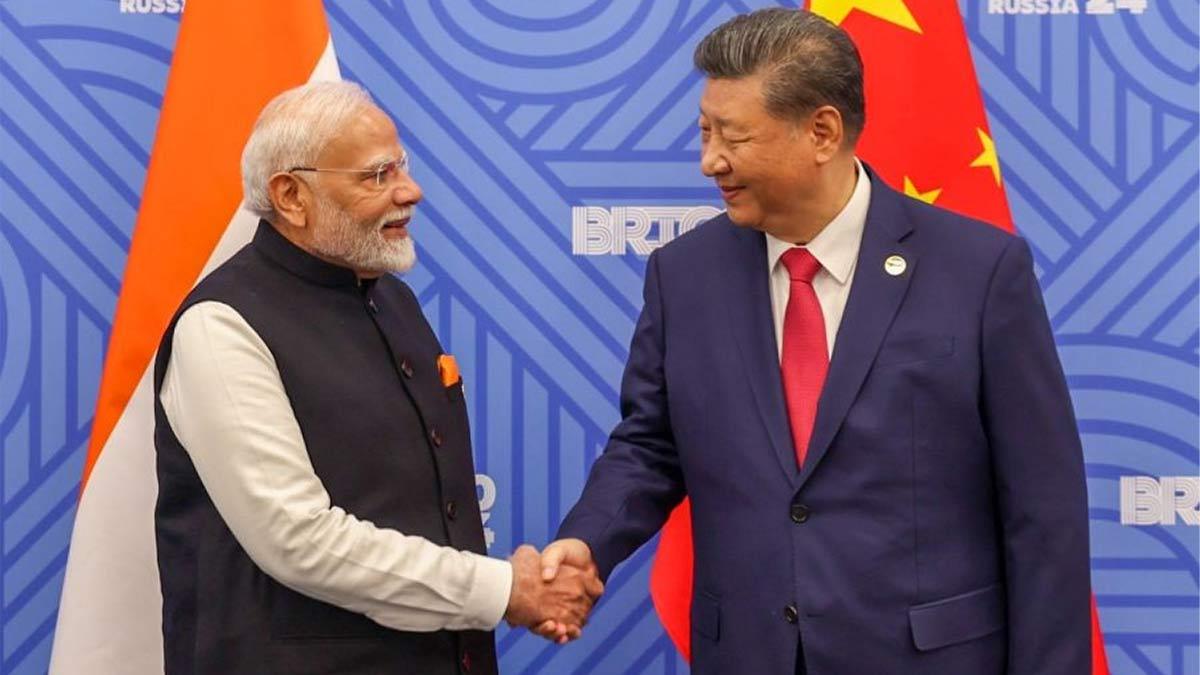


Prime Minister Narendra Modi stressed on Friday in Japan that it is "crucial" to have good relations with China and it will have a "positive impact on regional peace and prosperity," and promote stability in the world economy.
On his two-day Japan visit to boost the bilateral relationship between Delhi and Tokyo, Mr. Modi will visit four factories, one of which manufactures a prototype of the E10 Shinkansen bullet train India is planning to buy. He will also sign MoUs in areas of defense, trade, technology, and business.
After his travel to Japan, he will proceed to China to join the Shanghai Cooperation Organisation summit, a regional grouping that comprises Russia, Iran, Kazakhstan, Kyrgyzstan, Pakistan, Tajikistan, Uzbekistan, and Belarus.
"At the invitation of (Chinese) President Xi Jinping, I will travel to Tianjin from here to take part in the SCO summit. Since my meeting with President Xi in Kazan (in Russia, during an earlier SCO meet) last year, steady and positive progress has been made in our bilateral ties," he told Japanese media.
"Stable, predictable, and amicable bilateral relations between India and China, the two largest nations on Earth, can have a positive impact on regional and global peace and prosperity," he said, echoing remarks after meeting Chinese Foreign Minister Wang Yi in Delhi this month.
"This is also crucial for a multi-polar Asia and world."
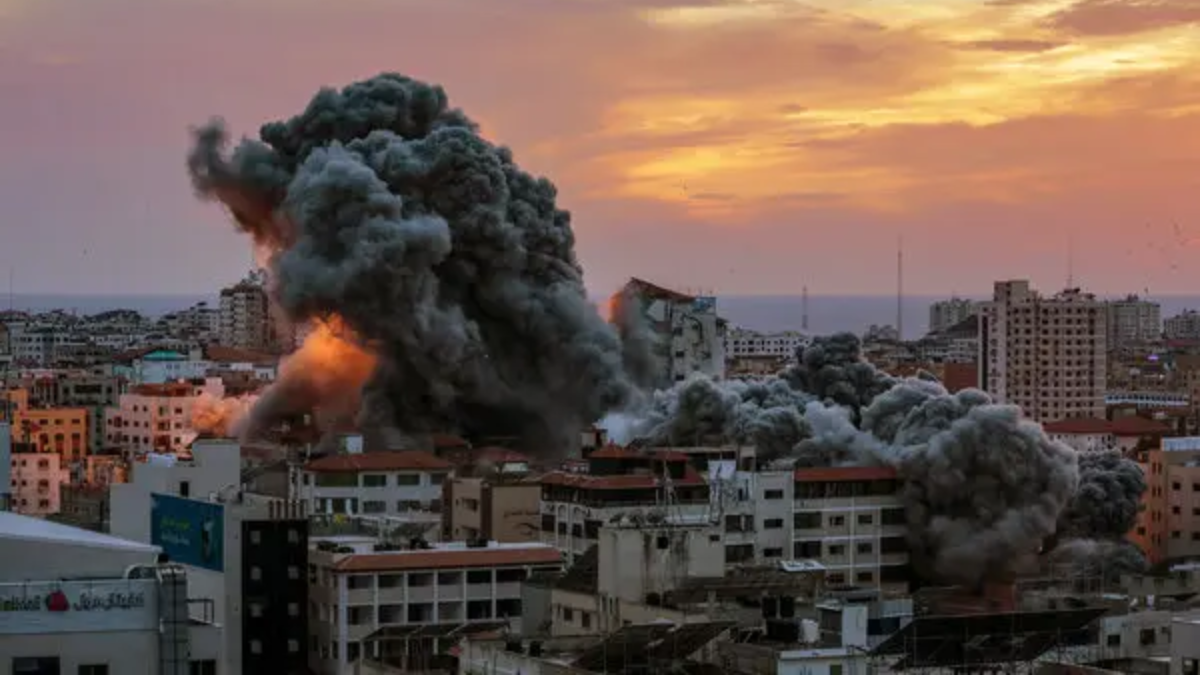
The next summit, the 25th meeting of member states' heads, comes when India is struggling with economic and geopolitical turmoil across the world, such as the Russian attack on Ukraine, Israel's Gaza conflict, and the United States imposing a 50 per cent tariff on Indian exports.
The US move, especially, has helped ease the long-standing military standoff between India and China, as the two Asian giants reset their relationship to reduce possible economic losses from the tariffs.
Indian government sources informed NDTV that the tariffs may affect $48 billion in exports.
Its symptoms first emerged in March when America started imposing tariffs on Chinese goods, which led Wang Yi to call on Delhi and Beijing to "take the lead in opposing hegemonism and power politics."
At the time, Mr. Wang said, "making the dragon and elephant dance is the only right choice."
China's Xi Jinping later picked up on the metaphor, indicating that Beijing was serious about developing more mutually engaging relations with India. It even reports that Mr. Xi made the overtures personally. In Japan today, Prime Minister Modi welcomed these advances, saying, "Given volatility in the world economy, it is important for India and China to work together to bring stability to the world economic order. India is ready to advance bilateral relations from a strategic and long-term perspective on the basis of mutual interest..."
These common interests are likely to encompass the Electric Vehicle (EV) industry, which depends significantly on rare earth minerals essential for manufacturing. Wang Yi, on his recent visit to Delhi, has already promised India cooperation in this sector.
Apart from particular goods and sectors, the sheer magnitude of the Indian and Chinese economies is likely to support each other's economies, particularly since both countries are working towards diversifying export markets to offset the Trump-era tariffs.
Other signs of enhanced relations include the two nations agreeing to increase trade and restart direct flights, both being considered significant diplomatic successes. Also, disengagement from Ladakh—where tensions had risen after the 2020 Galwan clashes—was interpreted as a welcome move.
Wang Yi’s visit to Delhi earlier this month, his first in three years, has added momentum to what appears to be rapidly normalizing relations between India and China.
Modi is widely expected to meet Mr. Xi during his visit to China next week.
Read also| In India, capital does not just grow, it multiplies: PM Modi in Tokyo
Read also| BRICS Economies Overtake G7 in Global Output: US Economist