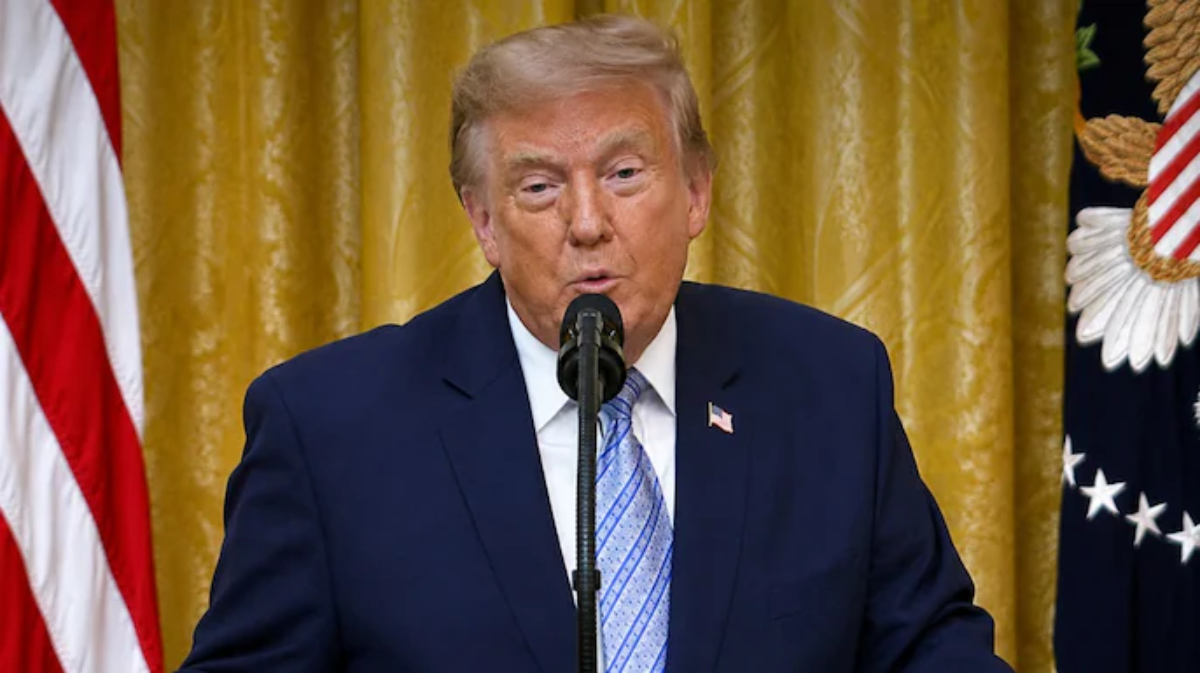
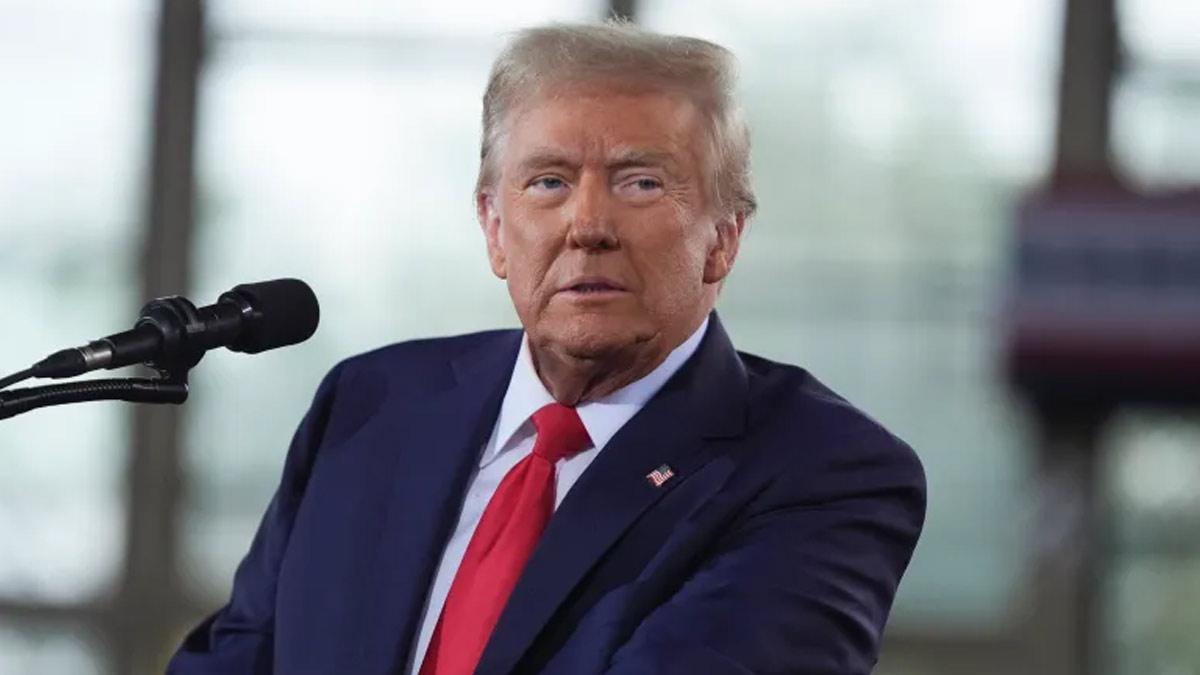


U.S. President Donald Trump has announced his administration will impose a 15% "reciprocal" tariff on Japanese imports—10 points less than a previous proposal.
The move comes alongside what Trump is promoting as a "massive" trade pact between the United States and one of its closest Asian allies.
Trump announced the fresh tariff move through a Truth Social post, citing Japan's pledge to open up Japanese markets for U.S. exports in various sectors.
Other nations, such as South Korea, meanwhile, keep on seeking trade negotiations with Washington with the aim of avoiding or lessening the high tariffs that will become effective starting August 1, provided that there are no bilateral trade agreements reached.
Perhaps most significantly, Japan will open their Country to Trade including Cars and Trucks, Rice and certain other Agricultural Products, and other things. Japan will pay Reciprocal Tariffs to the United States of 15%," Trump tweeted on the site, according to Yonhap news agency.
In a letter to Japanese Prime Minister Shigeru Ishiba last month, Trump had initially stated that Japan would be charged a 25% tariff rate—a step up from an earlier statement. The same 25% tariff rate has also been suggested for South Korea.
Referencing the deal with Japan as "perhaps the biggest" trade agreement ever made, Trump said that the nation has pledged a $550 billion investment in the United States' economy, from which, he said, the United States would see 90% of the profits that the deal generates. No details about the investment were given.
"This Deal will create Hundreds of Thousands of Jobs -- There has never been anything like it," he said.
Washington-Tokyo talks had been hampered, especially as the Japanese government was thought to have little room for maneuver before next weekend's national parliamentary elections.
Only last week, Trump indicated that the U.S. could impose the entire 25% tariff rate on Japanese imports, hinting at differences remaining in the talks.
Export-dependent South Korea is attempting to secure good terms in its negotiations with America. Its objective is to preclude the tit-for-tat tariffs and other charges on industries like steel, aluminium, and cars that have the potential to severely impact its economy.
Separately, in an earlier announcement on the same day, Trump also unveiled a trade agreement with the Philippines. The Southeast Asian country is now set to pay a 19% tariff—a 1 percentage point reduction from the original proposal.
Read also| Chinese‑Made F‑7 BGI Jet Crashes into Dhaka School, Killing Over 19