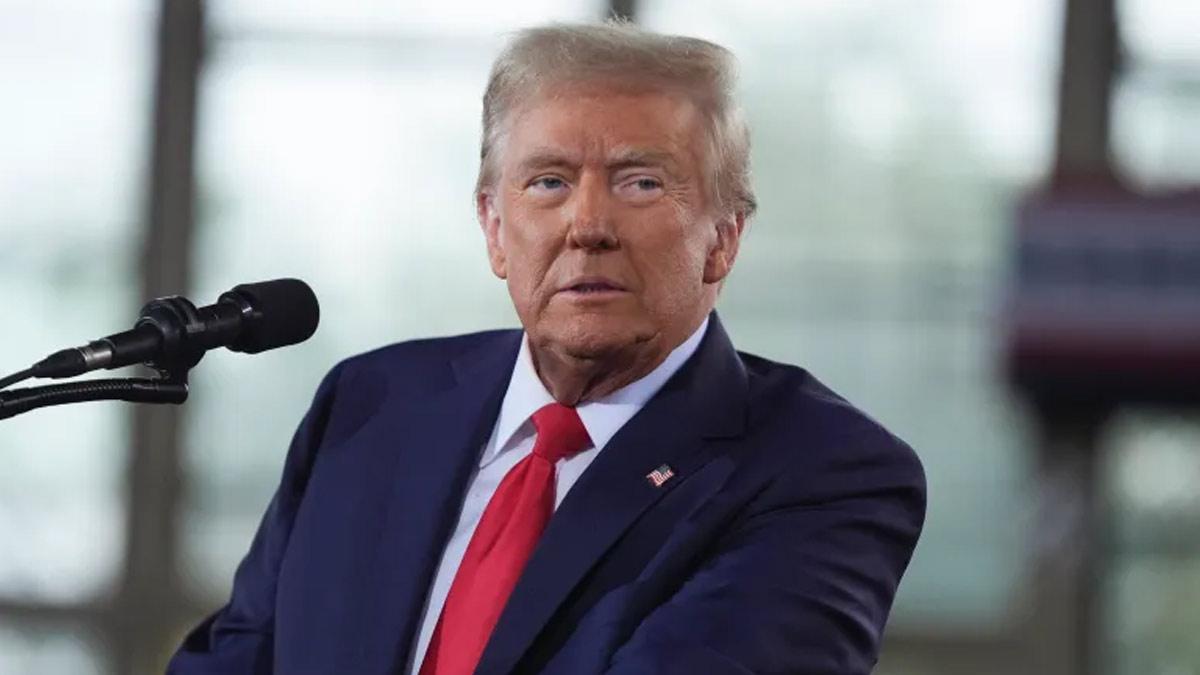


US President Donald Trump signaled India may see a tariff of 20% to 25%, even as he specified that no decision has been reached yet, with Washington and New Delhi still moving toward a trade deal before the August 1 deadline.
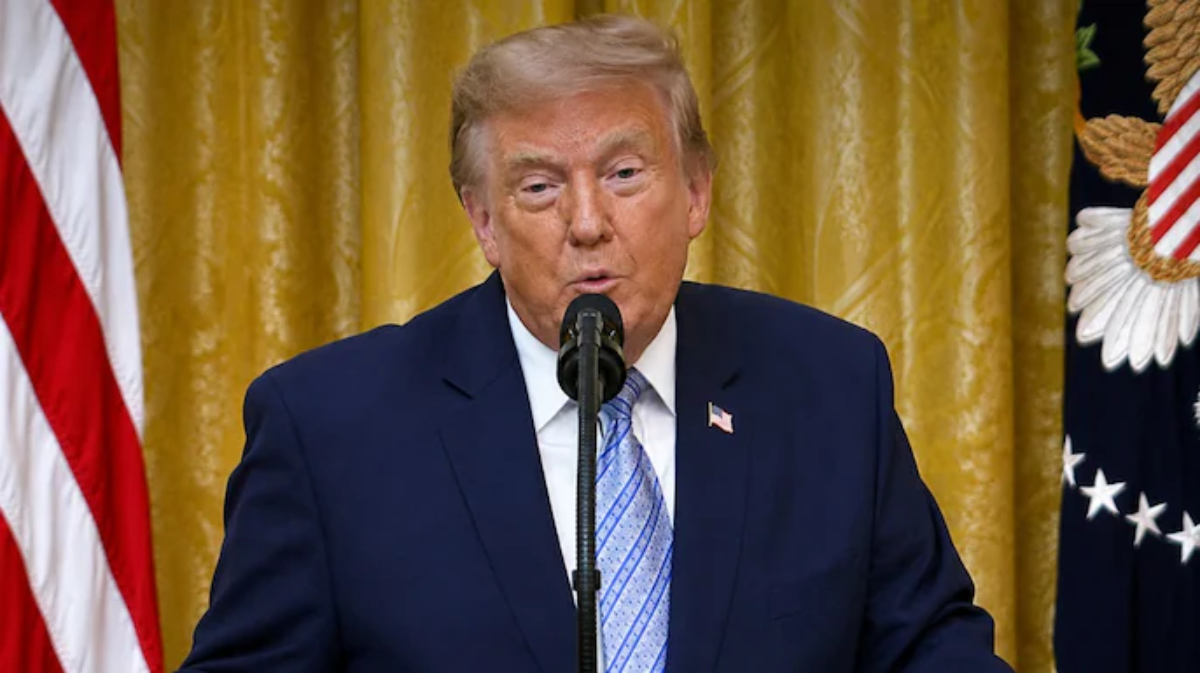
"I think so," Trump said on Tuesday when asked if the rate was being considered for India.
Addressing the press on board Air Force One during a return trip from a five-day visit to Scotland, Trump stated, "India has been a good friend, but India has imposed effectively almost more tariffs than nearly any other nation. You just can't do that."
After Trump's comments, Indian rupee further declined, its fourth straight drop. It fell as much as 0.5%, trading at 87.24 per U.S. dollar. The BSE Sensex, in the meantime, wiped out early gains and traded close to flat levels.
A tariff rate above 20% would be short of India's hopes, particularly after Trump had already granted better terms to Indonesia and the Philippines, where he is providing them with a 19% rate. As per Bloomberg, American and Indian negotiators had been working towards a deal that would see tariffs come down below the 20% level, though India's government has resisted calls for it to open its agricultural and dairy markets.
Indian officials, who spoke anonymously because of the sensitive nature of the negotiations, said they were still waiting for clear word from the White House about the level of tariff to be applied after Aug. 1, when higher rates will go into effect. Though an interim agreement now seems unlikely, India is hopeful that a trade agreement can be done by the fall.
So far, five rounds of talks have been held, and a team from Washington is to visit New Delhi in mid-August, said one official.
New Delhi-based Ministry of Commerce and Industry declined to comment on the issue, responding to an email query on Wednesday.
Tensions between the two countries have been escalating in recent months. Indian officials were outraged by Trump's assertion that his trade pressure enabled the April ceasefire agreement between India and Pakistan. The U.S. president has also threatened to impose "secondary tariffs" on nations such as India and China for persisting in buying Russian oil unless President Vladimir Putin puts an end to the war in Ukraine.
U.S. Trade Representative Jamieson Greer stated on Monday that the U.S. requires more time to determine India's preparedness to open its markets to greater American goods. Reuters had earlier reported that New Delhi expected tariffs of 20% to 25%.
Bloomberg earlier reported that India had articulated its bottom lines to American officials. India will not permit the importation of genetically modified crops and will not want to widely open its dairy and automobile markets, according to individuals briefed on the negotiations.
However, India has been flexible in proposing the removal of tariffs from some goods like pharmaceutical products and car parts.
The Modi administration has adopted a guarded approach in negotiations, especially with domestic political sensitivities in play. With millions of livelihoods tied to farming, and farmers forming a major support base for Prime Minister Narendra Modi’s party, any move to liberalize agricultural trade could have significant electoral consequences ahead of upcoming state elections.
They have already agreed on a framework for a more comprehensive bilateral trade agreement and are in talks for an interim pact that India hopes could possibly insulate it from high U.S. tariffs.
Trump made the remarks as the Aug. 1 deadline approaches for a series of retaliatory tariffs on various trading partners. Though he initially unveiled these tariffs in April, he initially imposed them at 10% to give room for negotiations. Still, even with the long time allowed, there have only been limited trade agreements so far.