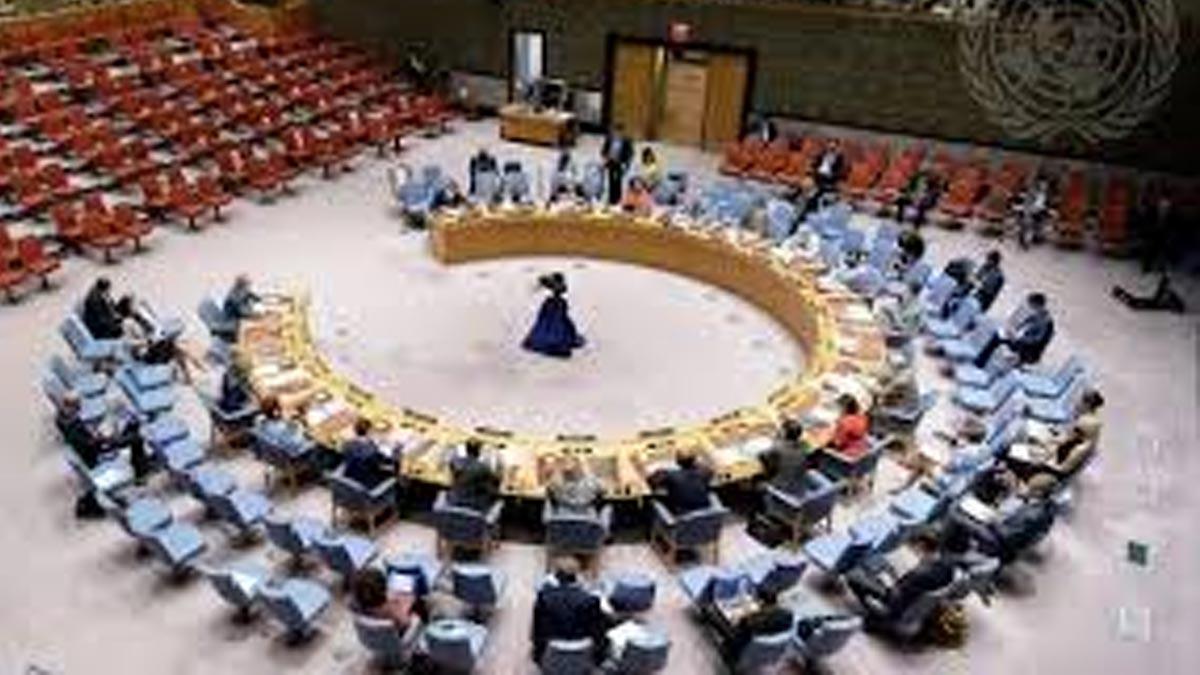


India stressed that UN peacekeeping missions could only be fully effective if the Security Council is reformed in order to become more legitimate by being representative of modern world realities.
"The efficacy of UN peacekeeping is also linked with the composition and legitimacy of the UN Security Council, which needs to be reformed to make expansion both in the permanent and non-permanent categories in order to reflect the current realities," India's Permanent Representative P. Harish said on Wednesday.
Principal contributors to peacekeeping, such as India, which has contributed the largest number of troops, are still kept out of permanent membership of the Council, which sanctions the mandates for these missions.
To address evolving peacekeeping challenges, Harish stated, a consensus arrived at after thorough member-state consultations is essential.
"All the stakeholders, especially the troop and police-contributing countries, need to be involved in the process," he added.
Harish spoke in the Council's open debate on peacekeeping, held this month by South Korea, which currently serves as presidency.
He pointed out that peacekeeping missions are confronted with "multiple challenges, with political, operational, and technological complexities" and emphasized that there is a need to go back "to core principles of UN peacekeeping" in order to address them.
He urged the mandates to be "simple, realistic, clear, and focused" and said that peace operations stand a better chance of working if linked to a wider political process with a clearly defined political end point.
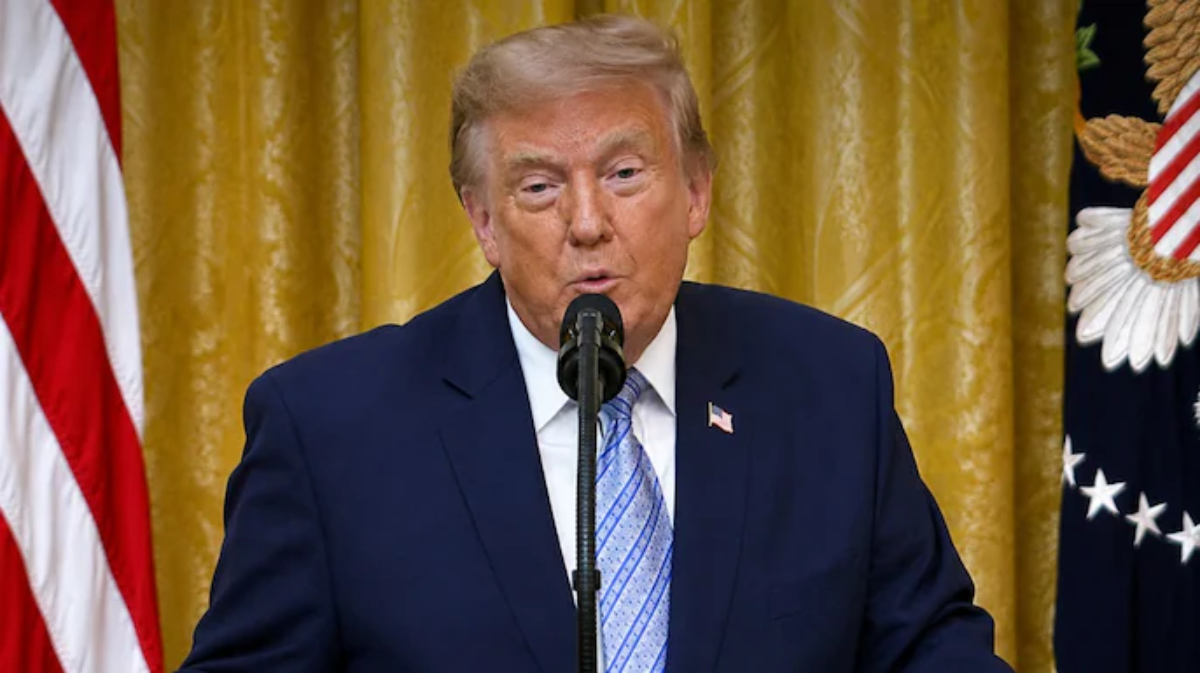
Referring to financial volatility, Harish emphasized that "the scope of mandates should match the resources available to peacekeepers." He pointed out that US President Donald Trump is threatening to cut or abolish his nation's contributions, which have so far covered 25 percent of the peacekeeping budget.
"It is time that UN peacekeeping missions with outdated and obsolete mandates are withdrawn and liquidated," Harish said.
While not clearly defined, one of these missions is the UN Military Observer Group in India and Pakistan, which India has claimed is no longer necessary in light of present circumstances.
Jean-Pierre Lacroix, Under-Secretary-General for Peace Operations, underscored that peacekeeping missions are not forever. In order to close out successfully without a return to war, he stated "clear, prioritised mandates, active political engagement and statements of support" are the key.
Equally, Under-Secretary-General for Political and Peacebuilding Affairs, Rosemary DiCarlo, pointed out that peacekeeping missions are usually sent to politically unstable situations, at times in the midst of raging civil wars.
“I view Qatar as a strong Ally and friend of the US, and feel very badly about the location of the attack. I assured them that such a thing will not happen again on their soil. I have directed Secretary of State, Marco Rubio, to finalize the Defense Cooperation Agreement with Qatar,” Trump added.
Read also| Trump Condemns Israeli Strikes in Doha, Assures Qatar, ‘It Won’t Happen Again’