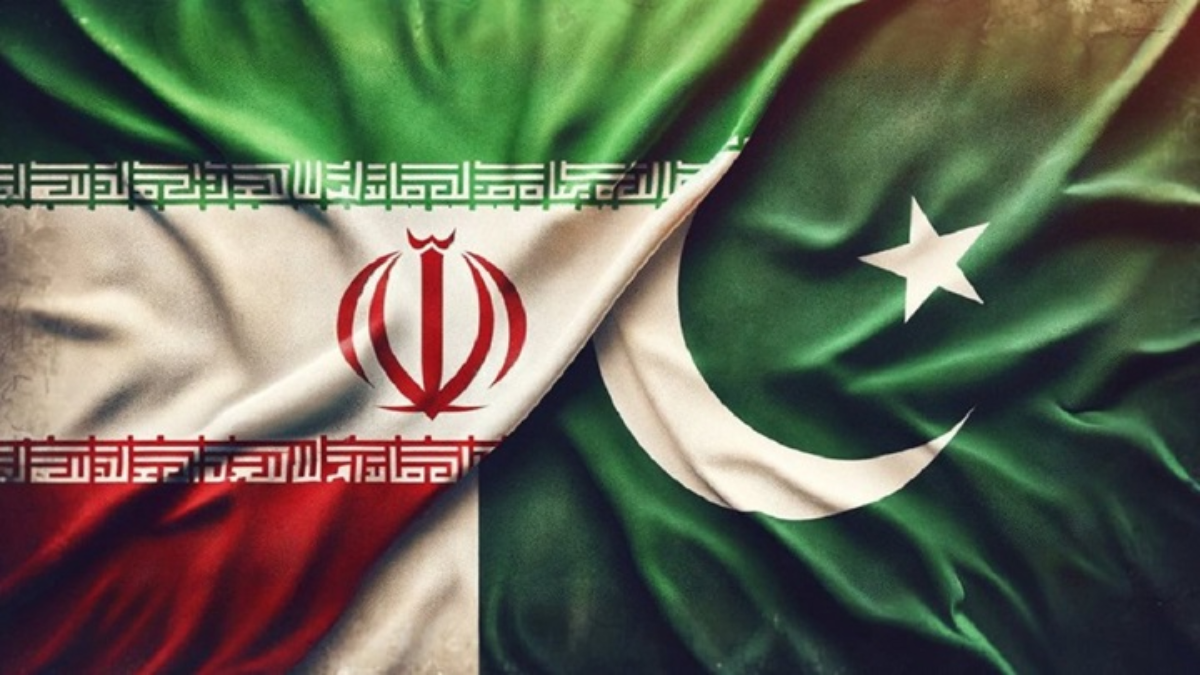


Bangladesh has turned down Pakistani Deputy Prime Minister and Foreign Minister Ishaq Dar's claim that Dhaka's call for an official apology for the 1971 massacre had already been "settled" twice.
"The matter (1971 genocide in Bangladesh) was resolved for the first time in 1974. And the paper of that era is historic for both nations. Then General Pervez Musharraf arrived here (in Bangladesh) and settled the matter at an open level. Therefore, the matter was settled twice. Once in 1974, and a second time in the early 2000s," Dar informed journalists on his visit.
Dar, who was in Dhaka for a two-day visit—the first top-level visit from Islamabad in 13 years—made the comment after meeting the Foreign Affairs Advisor to the interim government, Hossain, at Hotel Sonargaon on Sunday afternoon, local media said.
Roundly rejecting Dar's assertion, Hossain said, "I absolutely disagree. If we had agreed, the issue would have been settled." He asserted that Bangladesh has long pressed three outstanding demands: an apology for atrocities in 1971, compensation for property lost prior to independence, and repatriation of stranded Pakistanis.
"We demand an accounting, which is an accounting solution. We demand them to show remorse and apologize for the genocide. We demand them to reclaim the stranded citizens," The Dhaka Tribune quoted Hossain as saying.
Hossain also mentioned, "You definitely don't hope that a 54-year-old issue will be settled in a one-day meeting. We have tabled each other's stands. For bilateral relations to proceed smoothly, these matters need to be taken care of."
Even though Pakistan's Foreign Ministry subsequently issued a statement on social media about Dar's Dhaka visit, the communiqué didn't mention the issue of 1971 genocide or any other issue placed by Bangladesh.
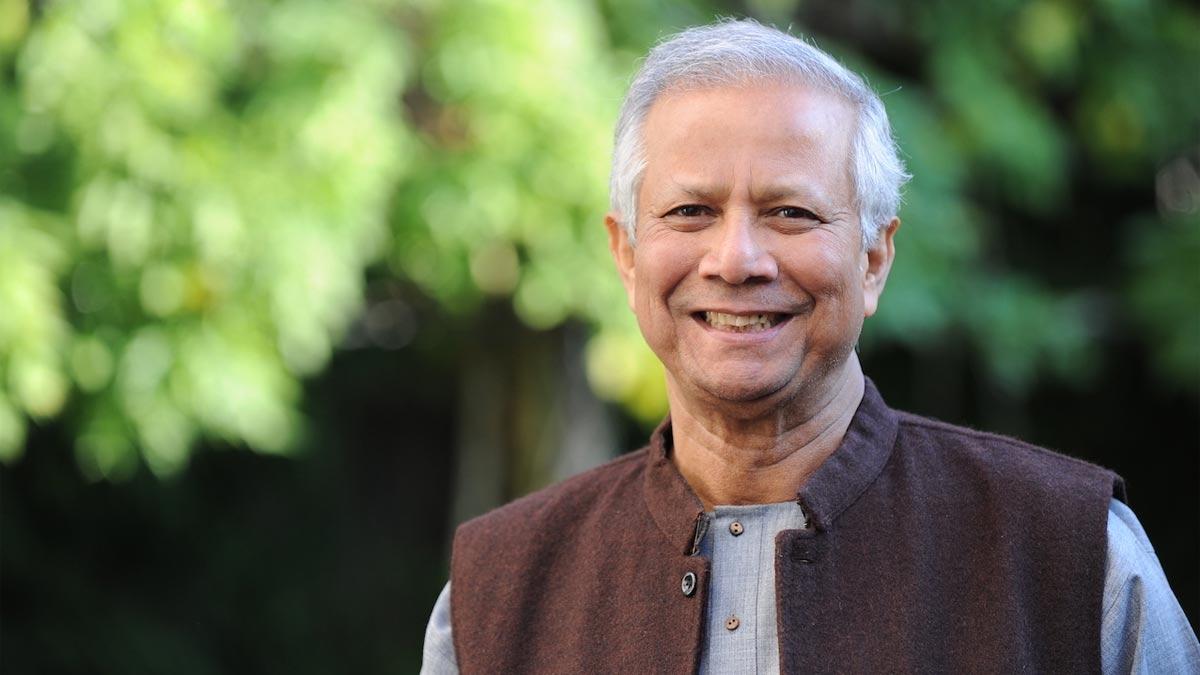
The observers say Dar's visit reflects the sense of urgency on the part of the Muhammad Yunus-government to upgrade relations with Pakistan, a country whose military onslaught under "Operation Searchlight" in 1971 killed millions of Bengalis.
Relations between the two countries had soured sharply under the previous Prime Minister Sheikh Hasina, especially after the Awami League government resumed trials in 2010 against collaborators of the Pakistani troops during the Liberation War.
Responding to Dar's visit, the Awami League came out with a stern denunciation, stating, "without recognition of genocide, normalisation is betrayal." The party also condemned Dar's statement, criticizing the "anti-Liberation, anti-national illegitimate" Yunus regime for not filing even a token protest and thus downplaying the issue.
Read also| Putin Optimistic About Russia-US Relations: Sees ‘Light at the End of the Tunnel’
Read also| 'Honour Of My Life': Sergio Gor Thanks Trump for Appointing Him as US Ambassador to India