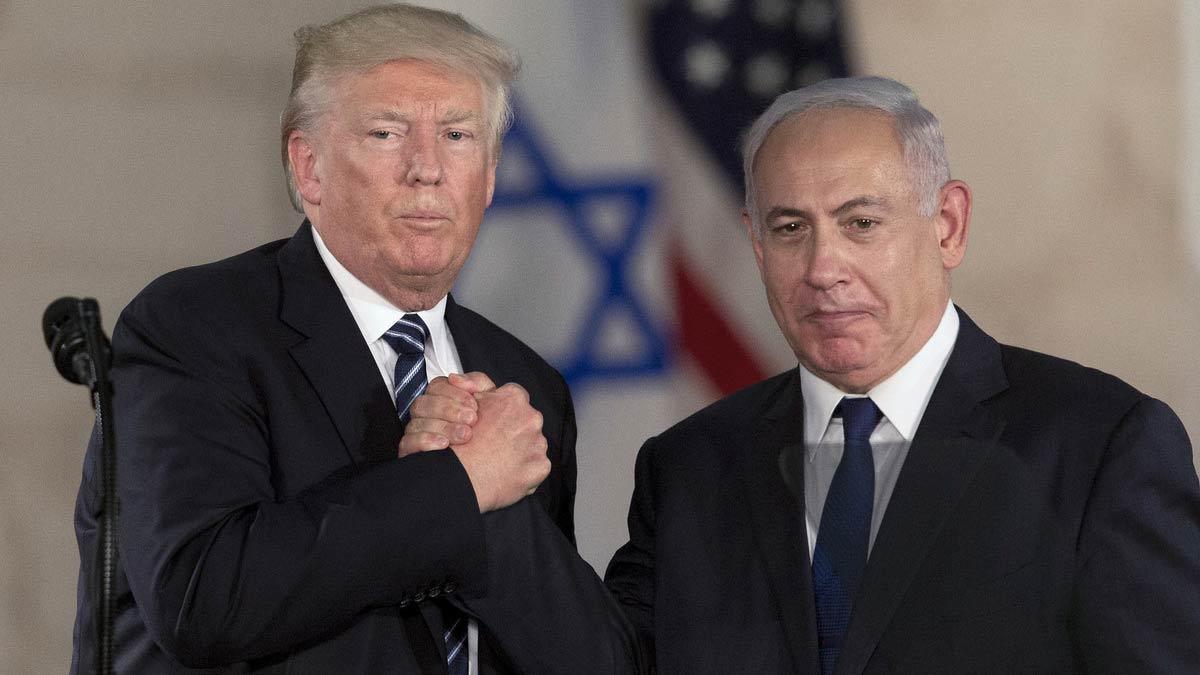


The White House is said to be becoming increasingly anxious over Israeli Prime Minister Benjamin Netanyahu's recent military actions in Syria, with a number of senior U.S. officials questioning what they see as his aggressive and unpredictable posture, as per a report by Axios.
Quoting six officials inside the Trump administration, Axios reported that despite a U.S.-brokered ceasefire that shut off last week's deadly escalation, there is deep concern in Washington regarding Netanyahu's strategy for the region.
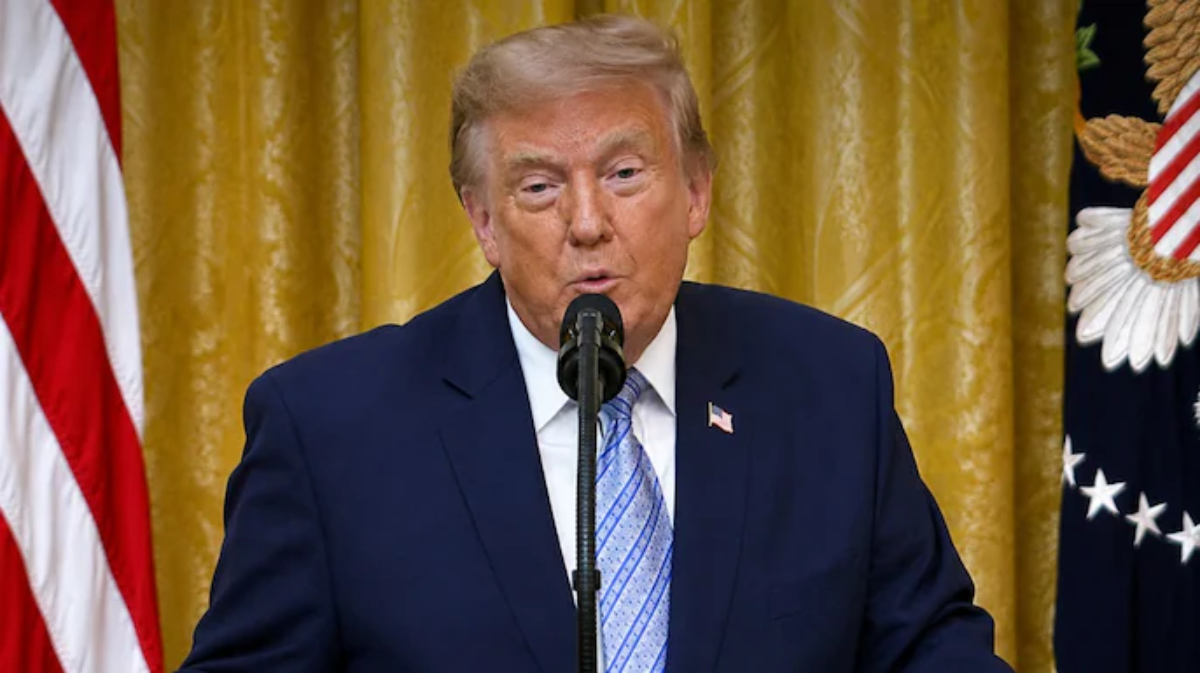
Although President Donald Trump has shunned publicly criticizing the Israeli prime minister, it remains uncertain whether he identifies with the growing frustration among his advisers.
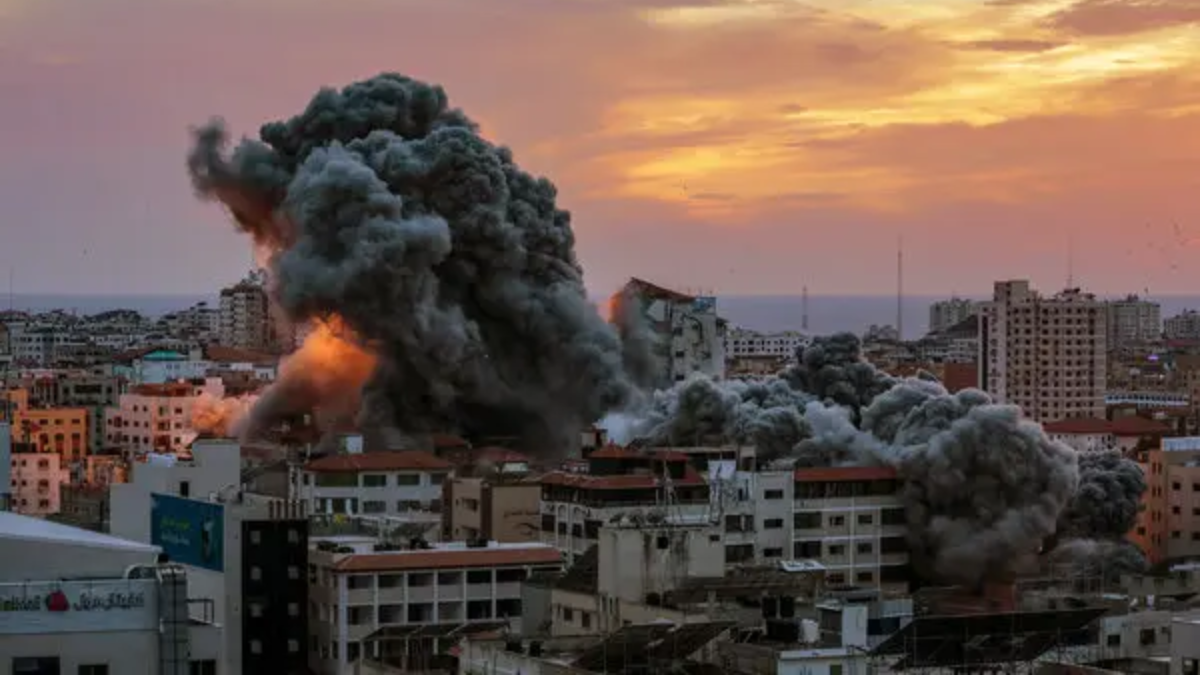
One White House official explained to Axios, "Bibi behaved like a crazy man. He bombs everything constantly. This would undercut what Trump is attempting." Another senior official mentioned the hotly contested shelling of a church in Gaza by Israel, which apparently prompted Trump to call Netanyahu himself for explanation. "The sense is that there is something new every day," the official said.
A third governing source drew a portrait of increasing frustration and compared Netanyahu's conduct to that of an out-of-control child: "Netanyahu is sometimes like a child who just won't behave."
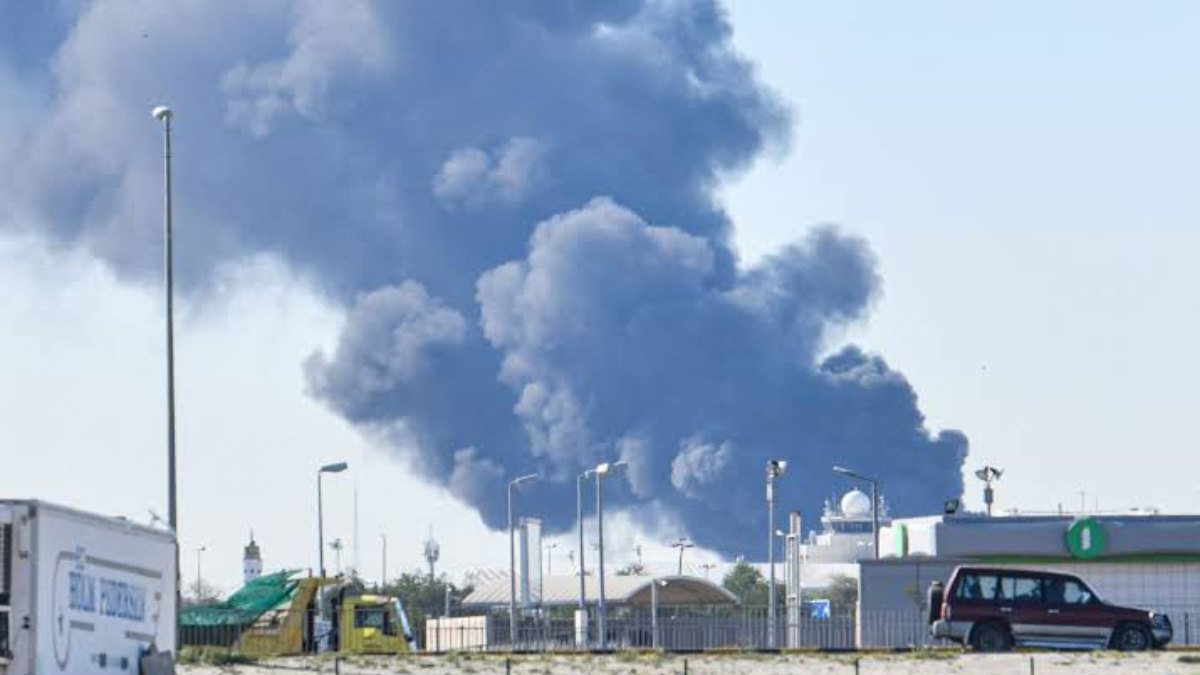
Tensions have especially mounted over Israel's reaction to the Syria conflict. Israeli troops last Tuesday attacked a Syrian military convoy in the region of Suwayda, a move that followed violent clashes between local Druze militias and Bedouin tribes that killed more than 700 individuals by the weekend. Israel claimed that the convoy had crossed into a demilitarized area and were participating in hostilities against the Druze minority—a claim denied by Syria.
Even though Israel promised U.S. envoy Tom Barrack that it would pause its military operations to enable diplomatic efforts, there were renewed strikes the next day. Sites said to have been targeted included Syrian military bases and locations close to the presidential palace.
"The Syrian bombing surprised the president and the White House," a U.S. official said to *Axios*. The Secretary of State Marco Rubio reportedly called on Netanyahu to stop action further, with Netanyahu consenting in exchange for withdrawing Syrian troops from Suwayda.
Complaints about Israel's actions have not been confined to Washington. Saudi Arabia and Turkey are said to have told the U.S. officials of their displeasure, with individuals such as Barrack and White House envoy Steve Witkoff bringing it before Trump.
Some American officials believe Netanyahu's actions are influenced by internal political dynamics, particularly pressure from Israel’s Druze population. “Bibi’s political agenda is driving his senses. It will turn out to be a big mistake for him long-term,” one official warned.
But Israeli officials dismissed any political motivation for their military campaign. According to a senior Israeli official, who spoke to Axios, the airstrikes were intended to safeguard the Druze community in the other country. "The U.S. wants the new Syrian government to remain stable and does not get why we attack in Syria. We attempted to make it clear that this is our assurance to the Druze community in Israel," the official asserted.
Aside from Syria, Israel has also faced criticism for its activities in Gaza and the West Bank. The assassination last weekend of Palestinian-American Saif Musallet by Israeli settlers raised criticism from the Trump administration. US Ambassador Mike Huckabee, generally a staunch ally of Israel, denounced the assassination as "terrorism" and called for an explanation. He also objected to the visa policies of Israel that have affected American evangelical visitors.
As Axios pointed out, Prime Minister Netanyahu's office would not comment on the report.
In general, U.S. officials expressed wider concerns that Netanyahu's combative stance in Syria and Gaza threatened to undermine regional stability and test Israel's traditionally close relations with Washington.
Read also| Trump Says 10% Tariff Threat Deterred BRICS — Yet Their Summit Went On
Read also| Trump Calls for Release of ‘Credible’ Epstein Documents to the Public