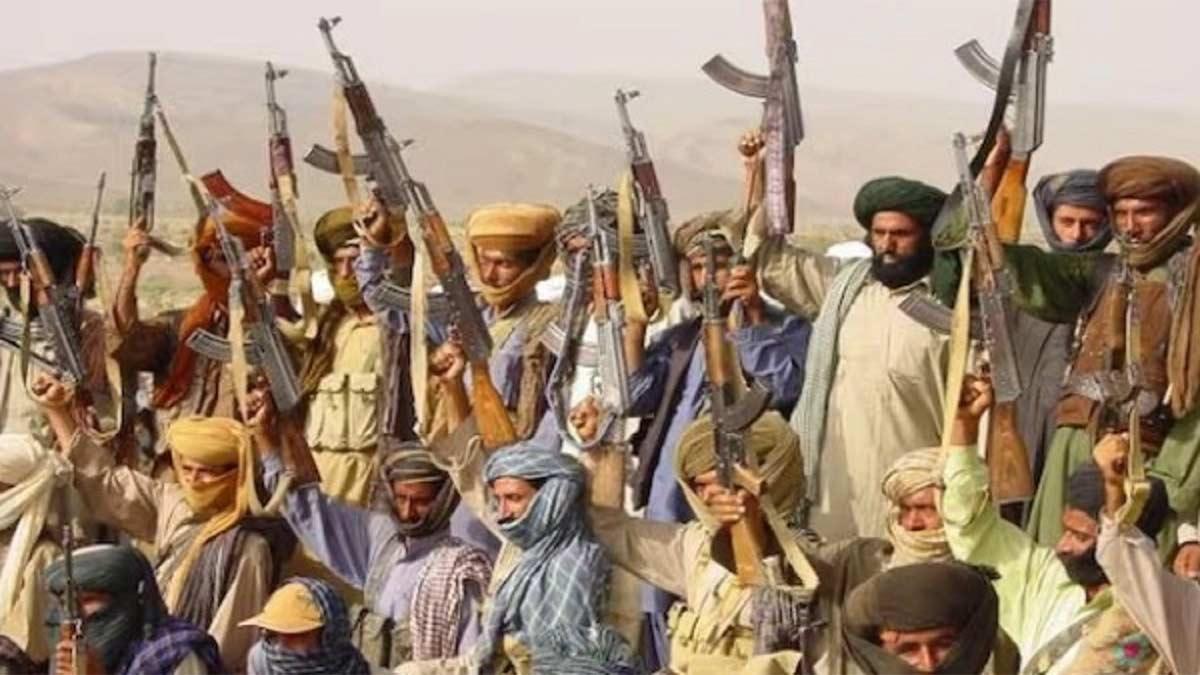


In an eye-opening interview with ANI, Qazi Dad Mohammad Rehan, the Information Secretary of Baloch National Movement (BNM), explained the initiation of a new unified resistance campaign known as Operation Baam, a dramatic escalation in the current Baloch fight against Pakistani occupation.
Initiated on Tuesday evening, the operation saw concurrent attacks in strategic districts like Panjgur, Surab, Kech, and Kharan. The move marks a strategic change in the strategy of the Baloch resistance, and its exclusive focus on attacking military bases and eroding the stronghold of the Pakistan Army in the region.
“Operation Baam, meaning ‘Dawn,’ represents a pivotal moment in our movement,” Rehan said. “It demonstrates that the Baloch people are determined to take charge of their own future and resist Pakistani domination through coordinated, resolute action.”
The Baloch Liberation Front (BLF) among the armed factions characterized the effort as another chapter in the war, with its aim embedded in breaking the military's deep-seated presence and exercising Baloch defiance.
Rehan emphasized BNM's unique role in Baloch politics, highlighting the party's adamant refusal to deal with Pakistan's parliamentary system. "We are the first party to boycott the Pakistani parliament," he said. "We have explained, we do not want to live under Pakistani control. Our struggle is for full independence, not for autonomy or token rights within Pakistan."
He went on further to explain that previous generations of Baloch politicians attempted to function within Pakistan's system but achieved little, eventually facing cultural suppression and ongoing marginalisation.
Dubbing Operation Baam over a military operation, Rehan called it symbolically significant. "It demonstrates that Balochistan is strong enough and united enough to rule itself if it is given freedom," he outlined. "This contradicts the narrative advanced by Pakistan and its allies that Balochistan would collapse into anarchy if it was liberated."
He emphasized that the operation is a strong message to allies and enemies alike that Balochistan does not envision itself as part of Pakistan's future.
Looking at the historical background of the Baloch resistance, Rehan brought up the 1948 annexation of Balochistan by Pakistan. "Our people resisted from day one," he explained, adding that while the early uprising had been spearheaded by tribal elites, the current movement has expanded beyond dynastic leadership.
"The BLF is a movement of the people. The Baloch masses now have both voice and arm to retaliate," he stated.
Rehan also pointed out the growing participation of youth in the struggle, citing their knowledge of guerrilla warfare and contemporary warfare tactics. "This is no longer a conventional tribal struggle. It is a contemporary resistance movement with goals of strategy," he noted.
Coming to economic complaints, Rehan severely criticised Pakistan's development projects in the province, particularly the China-Pakistan Economic Corridor (CPEC) and Gwadar port projects.
"Billions have been invested in our soil, but the Baloch people are still poor, suppressed, and deprived of their resources," he claimed. "Balochistan belongs to the Balochs, not to Punjab or any other region of Pakistan.
Rehan ended with a plea for international acknowledgment of the Baloch cause. He asked the world to accept their right to self-determination and cautioned that international inaction would lead only to further military repression in the region.
"The world needs to realize that the struggle of Balochistan is inevitable and just. Operation Baam is only the start of our new campaign for freedom," he said.
Read also| Trump Announces 35% Tariff on Canadian Imports Effective August 1
Read also| Netanyahu Open to Permanent Gaza Ceasefire Talks if Hamas Agrees to Disarm