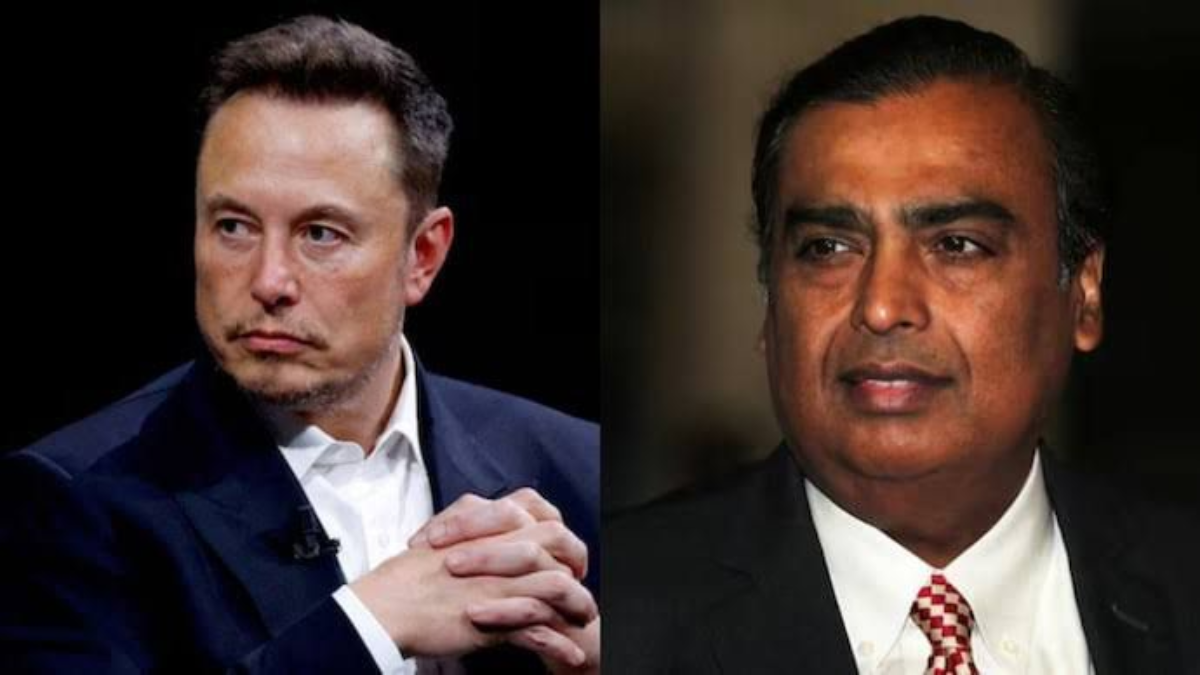


Executive pay in the global corporate sector has come under renewed scrutiny after billionaire entrepreneur Elon Musk topped the list of the world's highest-paid chief executives in 2025 with a compensation package valued at around $158 billion, or nearly ₹15 lakh crore, based on available remuneration data.
The estimated payout is nearly 1.5 times the total net worth of Indian business magnate Mukesh Ambani, highlighting the extraordinary scale of Musk's performance-driven compensation. The package has established a new high in executive remuneration and revived debate over the widening disparity between CEO earnings and conventional measures of personal wealth.
A substantial portion of Musk's compensation does not come from a traditional salary. Instead, it is derived from long-term stock awards and performance-based incentives that are linked to the achievement of specific financial, operational and market valuation milestones. The reported valuation reflects the appreciation of these equity awards tied to the performance of his companies, making it one of the largest executive compensation packages ever recorded.
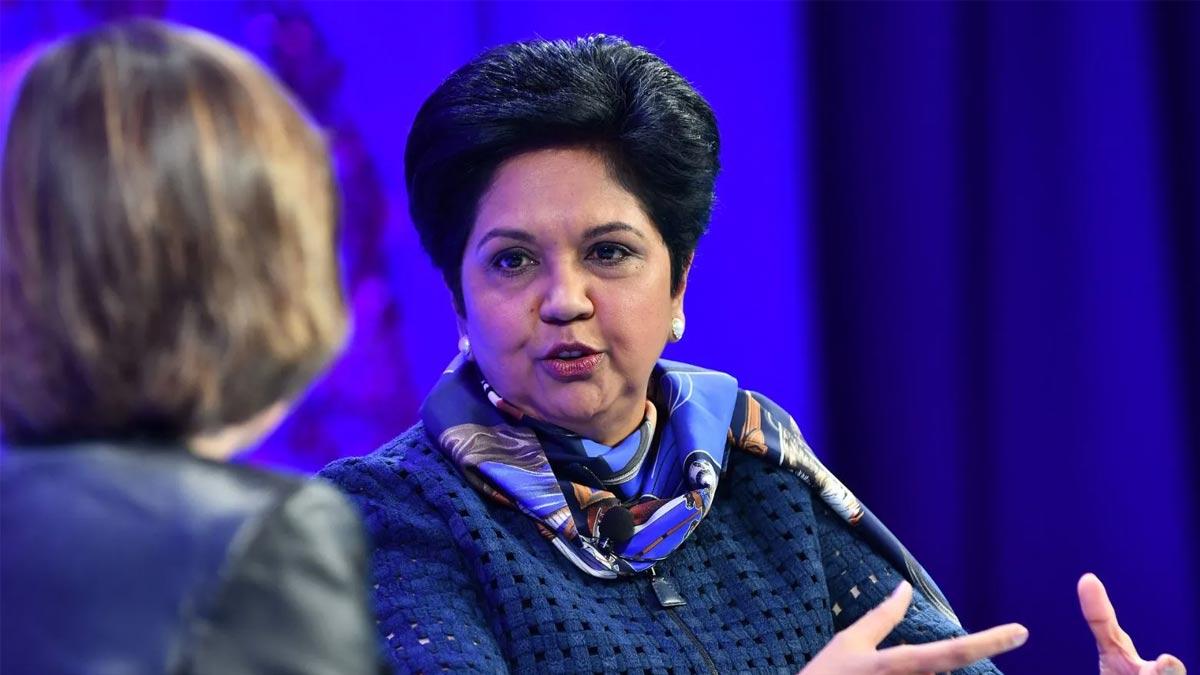
Indian-origin executive Shankh Mitra secured the second spot on the list with a compensation package valued at approximately $821 million, or around ₹8,000 crore, in 2025.
According to industry reports, only a small share of Mitra's earnings was paid as fixed salary, with the bulk consisting of stock grants, long-term incentives and performance-linked awards. As with many multinational corporations, these benefits are contingent on achieving defined business objectives and remaining with the company for a specified period.
Compensation specialists say executive remuneration at global companies generally comprises two primary elements: a fixed annual base salary that is paid irrespective of company performance, and performance-based incentives, including stock options, restricted shares, bonuses and long-term equity awards that vest only after predetermined financial and operational targets are met.
Such compensation structures are designed to align the interests of senior management with those of shareholders by directly linking executive wealth to corporate growth and market performance.
The increasing reliance on equity-based rewards also places chief executives under sustained pressure to deliver consistent business results. Market capitalisation, shareholder returns, revenue growth, innovation and long-term profitability have become key benchmarks in determining whether executives ultimately receive the full value of their compensation.
Analysts say these remuneration models are intended to encourage corporate leaders to pursue expansion, enhance operational efficiency and generate long-term value for shareholders. At the same time, they continue to spark worldwide debate over whether executive compensation has grown disproportionately compared with employee wages and broader economic conditions.
With Musk's record-setting compensation package dominating business headlines, discussions surrounding executive pay, corporate governance and performance-linked incentives are expected to remain a major focus in financial and corporate circles throughout the year.