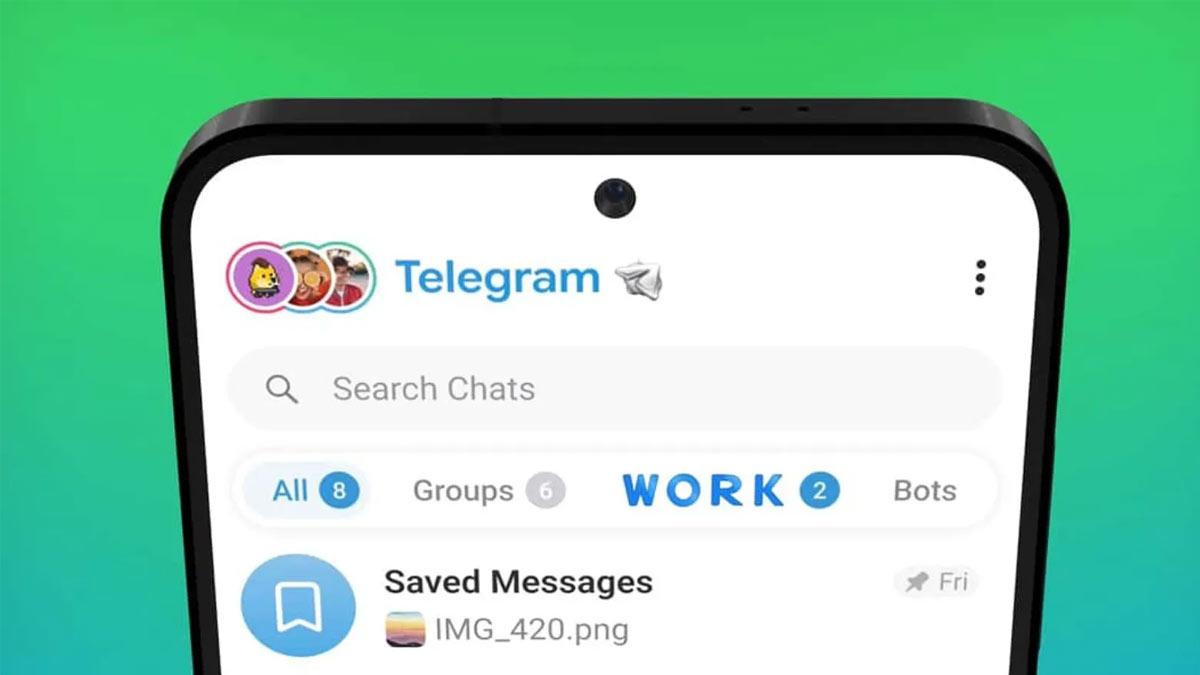


The Ministry of Electronics and Information Technology (MeitY) has expanded its scrutiny of messaging platforms by issuing notices to Telegram and Signal over their username feature, seeking explanations on how the companies are addressing concerns related to fraud and impersonation, according to a government source.
The development comes a day after the Centre served a notice on Meta-owned WhatsApp over its newly announced username feature, citing fears that it could significantly increase online fraud, phishing, digital arrest scams and impersonation attacks.
According to the source, the government has specifically asked Telegram to explain why it should be permitted to retain the username feature.
The feature enables users to create unique usernames, allowing others to connect with them on the platform without exchanging phone numbers.
Earlier, the Centre had directed WhatsApp to suspend the rollout of its username feature until consultations on the matter were completed “to the satisfaction of the Government”.
The government's examination has now been extended to other messaging services that already offer similar functionality.
The source told PTI that MeitY has written to both Telegram and Signal, asking how the platforms are mitigating the risks of fraud and impersonation associated with usernames. “Government has asked Telegram why the feature should be there,” the source said.
Telegram and Signal did not immediately respond to requests for comment.
The source also noted that while the cases are comparable, they are not identical. Telegram already offers the username feature, whereas WhatsApp has only announced its introduction. The scale of their operations in India also differs substantially. India is WhatsApp's largest market, with more than 500 million users, far surpassing Telegram's user base in the country.
In its notice to WhatsApp, the government expressed concern that the proposed username feature could “materially increase” instances of online fraud, phishing, digital arrest scams and impersonation attacks by making it easier for malicious actors to contact potential victims.
The Centre also sought an explanation from Meta on why action should not be initiated under the Information Technology Act and its associated rules over WhatsApp's proposed feature. It reminded the company that WhatsApp, as a significant social media intermediary, is required to comply with due diligence obligations under the IT Act and related rules.
Responding to the concerns, WhatsApp defended the proposed feature in a statement, saying it includes safeguards designed to protect users against scams, impersonation and other forms of misuse.
The company later published a detailed set of frequently asked questions (FAQs) on social media explaining how the feature works, the security measures built into it, and the steps it plans to take to reduce the risks of impersonation, scams and unwanted contact as users begin reserving usernames.
Telegram has also faced increasing regulatory scrutiny in India in recent months over concerns relating to fraud, impersonation and the circulation of sensitive content. The Indian government had imposed a week-long ban on Telegram and its associated web services until June 22, citing the platform's failure to curb the circulation of leaked and fake National Eligibility-cum-Entrance Test (NEET) examination papers, misleading content and other fraudulent activities linked to the medical entrance examination.
The messaging platform resumed operations in India after the temporary government ban expired.
Also Read | 5 Ways Technology Is Changing Short-Term Financial Decisions
Also Read | Artificial Intelligence in Education Today: Opportunity or Threat?